|  |
|
| |
Home Garden - To Save Herbs and Traditional Plants from Extinction
1. Introduction 1. 1.Globilisation and Natural Environment 1. 2. Tree Worship 1. 3. Poor People's Rich Food:
Arum Proyecto: "Kachu" (Bangladesh)2. Home Gadens- Stability of Ecosystem 3. Neem -Azadirachta indica- The Wonder Plant 4. Haldi- Tumeric- The Wonder Spice of Festival 4.01.Fantastic Benefits and Uses Of Mustard Oil (Sarso Ka Tel) For Skin ... 4.1.Western countries plundering the Third World’s genetic resources 4.2.Moringa oleifera bengali Sajna 4.2.1Basak cultivation, a medical plant 4.3. Haripada's Haridhan (Hari-rice): A Farmer's Pride 4.3.1 Flood-Resistant Rice 4.3.2 Floating Vegetable Garden
4.4. Jahanara tackles monga (famine) through her vegetable garden 4.5.Stevia rebaudiana bertoni - Now growing in Bangladesh 5. Spices and Herbs 6. Plants - The Greatest Biochemists of this Planet 6. 1.Water Hyacinth Eichhornia crasspies A New Resource 7. Conservation of Microbial Biodiversity 8. Biotechnology 9. Invasion of Natural Ecosystem by Plants 10. FUNGICIDES and INSECTICIDES 11. Save Our Genetic Resource 11.1 Rediscovering the forgotten crops 11.2 FAO favours organic agriculture 11.3 Vegetables That Boost Immune System 1. INTRODUCTION
A tree lives for about 50 years generates US Dollars 10, 600 worth of oxygen, recycles $ 12,800 worth of fertility and soil erosion control, creates US $ 21, 000 worth of air pollution control, and $ 10, 600 worth of shelter birds and animals. Besides, it provides flowers, fruits and lumber.
"The earth was not given to us by our parents, it was loaned to us by our children." -- Kenyan proverb
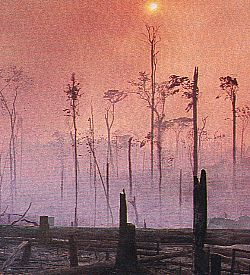
Humans have left an impressive mark on the world's lands over the past several centuries. With the dramatic growth in world population, from roughly 1 billion in 1800 to well over 5 billion today, pressures on the land have greatly increased. The need for greater food production has led to a massive increase in cropland. By the early 1990s, almost 40 percent of Earth's land surface had been converted to cropland and permanent pasture. This conversion has occurred largely at the expense of forests and grassland.
The most dramatic changes are occurring in developing countries, where it is estimated that in just three decades--1960 to 1990--fully one fifth of all natural tropical forest cover was lost. Although the forested area seems to have stabilized in developed countries, it is nevertheless only a portion of what was once there. For example, according to a recent estimate, only about 40 percent of Europe's estimated original forest cover remains
Governments of this region have announced their commitment to saving the tropical forests, while handling out logging concession to their supporters. The rich individuals and local powerful people are destroying the forests and environment. These groups have the power to ride roughshod over forestry departments and to bribe their officials, who themselves are often notorious for their lack of concern for forests or poor. The government officials have to earn "additional income" to keep with the rise of price, whereas the poor people have hardly any opportunity. The poor people see that the outsiders "have stolen trees" and so they have lost faith to protect the forests. The forest departments have developed the same "attitude" as the unpopular police department.
In her speech, the Prime Minister of Bangladesh squarely blamed a section of officials and employees of the forest department for robbing the country of its natural resources that are vital for the survival of very many species of birds, insects, plants and vegetation, and maintaining the thermal equilibrium of the country and the entire region (The Independent, December 11, 2004).
Even as deforestation continues, however, understanding of the value of forests--as regulators of global climate, as repositories of species and potentially valuable new products, as conservators of soil and water resources--is growing rapidly. This increased knowledge has spawned a wide-ranging debate within a variety of international institutions, yet it is still not clear that the world community is ready to forcefully move toward managing forests on a sustainable basis.
If the ecological erosion continues then most of our familiar surroundings and habitual activities will disappear without a trace in geologic time, while there are clearly several realms of human activity - to which we may not give much explicit attention in our everyday lives - that will nonetheless leave indelible and puzzling patterns for future archaeologists to contemplate (Weiskel, 1988) .
It was through control of the shattering of wild seeds that humans first domesticated plants. Now control over those very plants threatens to shatter the world's food supply, as loss of genetic diversity sets the stage for widespread hunger.
Large-scale agriculture has come to favour uniformity in food crops. More than 7,000 U.S. apple varieties once grew in American orchards; 6,000 of them are no longer available. Every broccoli variety offered through seed catalogs in 1900 has now disappeared. As the international genetics supply industry absorbs seed companies—with nearly one thousand takeovers since 1970—this trend toward uniformity seems likely to continue; and as third world agriculture is brought in line with international business interests, the gene pools of humanity's most basic foods are threatened.
The consequences are more than culinary. Without the genetic diversity from which farmers traditionally breed for resistance to diseases, crops are more susceptible to the spread of pestilence. Tragedies like the Irish Potato Famine may be thought of today as ancient history; yet the U.S. corn blight of 1970 shows that technologically based agribusiness is a breeding ground for disaster.
When we confront the spread and depth of the diversity of plants that have fed, housed, clothed and cured people all through our existence, we cannot escape that awesome confrontation with time and space. Over an unimaginable number of years plants have evolved and co-evolved with the people who used them; their history and ours, their destiny and ours are intertwined. The open-ended array of soils they have grown in, the hands they have been cared for by, and values they have been fashioned to serve - the diversity of our crop plants is a direct reflection of the diversity of our cultures.
The ancient Romans called it patrimonium, from pater (father). It was used to designate that which was inherited from your father to be transmitted to the next generation, a chain of transmission that could not be interrupted. It was used precisely to distinguish between those goods that could be exchanged for their current monetary value, and those things that had a deeper, inalienable family and community value. Plants definitely fall into this category.
Plants are a fundamental part of the chain of life that keeps this planet going and the diversity within them is the key to their survival. Some of that diversity has evolved through the changing pressures of the environment, but much of it is the result of continuous generations of people tampering with it and passing it on. We will never be able to measure how much credit goes to 'either side', but there is certainly a part of both. In this sense, genetic diversity is both a natural and cultural heritage that has to be transmitted for the sake of survival. Calling genetic diversity a heritage is not only recognising the role plants play in the chain of life, but also opens up the question as to who is responsible for keeping that chain intact and extending it.
Human communities have always generated, refined and passed on knowledge from generation to generation. Such “traditional” knowledge” is often an important part of their cultural identities. Traditional knowledge has played, and still plays, a vital role in the daily lives of the vast majority of people. Traditional knowledge is essential to the food security and health of millions of people in the developing world. In many countries, traditional medicines provide the only affordable treatment available to poor people. In developing countries, up to 80% of the population depend on traditional medicines to help meet their healthcare needs (WHO Fact Sheet No. 271, June 2002).
People in Third World die of curable diseases as Western drug companies create ‘lifestyle drugs’
Medicinal plants and local herbs may be extinct
Medicinal plants and local herbs may be extinct as the number of students in yunani and ayurvedic colleges remain poor for lack of job opportunities. Practitioners of such medicines said the conservation of such plants and herbs would be difficult without building a group of experts on medicinal plants. "How can medicinal plants be identified without a group of experts," said Hekim Hafiz Azizul Islam, the principal of the Tibbia Habibia Yunani College at Bakshibazar in the capital. He said students are least interested in such alternative systems of medicine as job opportunities remains poor.
"The government created 30 positions of yunani and ayurvedic medical officers in district hospitals about three years ago," a health ministry official said. Two of the 18 yunani and ayurvedic colleges across the country are nationalised. One of the colleges offers bachelor-level course and the remaining colleges offer diploma courses, Hafiz said. All the colleges have a very insignificant number of students. All the 16 private colleges are struggling hard to keep up their existence as they do not often find students. Many of the students drop out as the colleges do not have adequate number of labs and no garden of medicinal plants, the health ministry official said. Students also drop out as the textbooks are mostly written in Urdu, Persian and Sanskrit, the college principal said (New Age October 18, 2004)
In addition, knowledge of the healing properties of plants has been the source of many modern medicines. The use and continuous development by local farmers of plant varieties and the sharing and diffusion of these varieties and the knowledge associated with them play an essential role in agricultural systems in developing countries.
Only recently, however, has the international community sought to recognise and protect traditional knowledge. In 1981, WIPO and UNESCO adopted a model law on folklore. In 1989 the concept of Farmers’ Rights was introduced by the FAO into its International Undertaking on Plant Genetic Resources and in 1992 the Convention on Biological Diversity (CBD) highlighted the need to promote and preserve traditional knowledge. In spite of these efforts which have spanned two decades, final and universally acceptable solutions for the protection and promotion of traditional knowledge have not yet emerged.
Whilst most traditional knowledge and folklore is passed on orally, some of it, such as textile designs and Ayurveda medicinal knowledge, is codified. The groups that hold traditional knowledge are very diverse: individuals, groups or groups of communities may all be custodians. Such communities might be indigenous to the land or descendents of later settlers. The nature of the knowledge is also diverse: it covers, for example, literary, artistic or scientific works, song, dance, medical treatments and practices and agricultural technologies and techniques.
1. Rain Forest Destruction: From the Himalayas to Bangladesh Coastal Plain
2. Bamboo the life blood of the people: Alarm to Ecosystem
3. Plantations (replacing native species) Are Not Forests
4. Ganges Barrage: Ecological Disaster
5. Harmful exotic tree planting still going on
6. The Brahmaputra's Changing River Ecology
7. First Coral Species Listed as Threatened
8. Onslaught on coastal reserve forests
9. Bees -disappearing by the billions
10. The forest boss who gobbled up trees: all old trees of the forests of the country have almost vanished
11. Lac farming becoming a means to fight monga
12. "Wherever the forest department is, there is no forest"
This is the story of how the Asian Development Bank and its evil twin the World Bank is financing projects of mass destruction in the name of development, destroying acre after acre of sal forest.
13. Insatiable greed wipes out a reserved forest Not a single tree seen in 21-year-old woodland; rampant logging allowed for bribeBanana and Pineapple orchards Plantation Destroying the Existance of Adivasi
Twenty thousand Garo Adivasi people of Modhupur Gahr under Tangail District in Bangladesh are living there for more than 600 years. Their life and culture are very close to the nature, earth, and the forests.
The beauty of the area is now being destroyed by the Forest Department. The Forest Department with the help of the law enforcers is destroying their crops, paddy fields, houses, banana plantations and pineapple orchards in the name of biodiversity and environment preservation. The Forest Department has destroyed 330 acres of banana plantations. Indigenous People love forests and their culture is dependent on nature and forest but the so-called development now endangers their very existence (Nisharon Nokrek, August 29, 2007).
Shal, Shorea robusta forests shrink to 40,590 hectares from 1,20,000 9466 hectare forestlands grabbed illegall
Sal forests in Mymensingh and Tangail districts are disappearing fast because of plunder by thieves and deforestation for pineapple and banana cultivation. There were 1,20,000 hectares of Shal Shorea robusta forests in the central plains and north-eastern regions of the country, according to Abdul Latif Mia, Divisional Forest Officer (DFO), Mymensingh Forest Region. The forests have been reduced to 40,590 hectares now -- 15870 in Tangail and 7808 in Mymensingh--, according to a government survey done in 1999 and 2000. The DFO also said that 9466 hectares of forestlands have been grabbed illegally in Mymensingh Region.
The government must also take some responsibility because of the foolish decision to hand over forest areas to Eucalyptus, Acasia and Menjiam plantations under a programme entitled “Thana Afforestation and Nursery Development Project” (TANDP). When the Forest Department started the programme, local people including the Garo tribesmen did express resentment at cleaning the Shal forests without taking into consideration the severe environmental consequences that would inevitably follow. In fact any invasive species is a threat to the environment because it can change the entire habitat by crowding out the native species (Editorial, The Bangladesh Observer, December 5, 2004).
The disappearance of forestlands is affecting the environment, bio-diversity and livelihood of tribesmen in Mymensingh, Tangail Jamalpur and Natrakona districts, environmentalists and different NGOs say. A government plan is also responsible for disappearance of Shal forests, sources said.
Although in 1982 the government declared the Bhawal forest a National Park, it did not prevent land grabbers from encroaching on this supposedly protected forest area. Yet the Convention on Biological Diversity imposes an obligation on the government to protect the use of our forests and it is more than time the government takes action against thieves. If, as we believe, the global development agenda set by wealthy countries is also partly responsible for the loss of trees through unwise development programmes, it is important to our welfare that we resist.
The government started plantation of Eucalyptus, Acasia and Menjiam plants in Madhupur Shal forest in Tangail under a programme titled Thana Afforestation and Nursery Development Project (TANDP), funded by the Asian Development Bank (ADB) in 1989. The project was completed in 1995. Later the project area was expended to all four forest ranges in Madhupur and one in Muktagacha forest area in Mymensingh district. Local people including Garo tribesmen had expressed their resentment when the Forest Department had started the programme by cleaning the Shal forests indiscriminately without taking into consideration the severe environmental consequences that would follow, said officials of the Society for Environment and Human Development (SEHD), a local NGO that works on environment. Cleaning of the Shal forests have reduced soil fertility and damaged the environment, they said.
Indigenous people are the worst sufferers because the Shal forests used to provide them with food and shelter. "Shal forests provided us with food and shelter and other requirements for ages. But now the situation has changed totally, keeping us in great difficulties", said Rana Chisim, a student of Madhupur Degree Colleg (A. Islam, Daily star, November 30, 2004).
Forest without Forest Dwellers Development Program by Asian Development Bank (ADB, The World Bank)
About two-thirds of approximately 250,000 species of flowering plants in the world occur in the tropics. Trees are the major component in tropical forest ecosystem that represents varieties of economic, social and environmental values. Unfortunately, for high export earning, the tropical forest is regarded predominately as a source of timber and this tendency has caused the species-rich forest of the tropics to be converted into species-poor secondary forest.
Based on the Wilson and Peter's conservative estimate of a tropical deforestation rate of 0.7 per cent per annum, about 50 species are being lost per day. According to an estimate of FAO, at least 5-10 per cent of tropical forest species would face extinction in the next 30 years. Setting priorities for conservation therefore requires a better understanding of the process of deforestation, the amount and spatial heterogeneity of forest altered and their implications on species extinction.
Currently scientists realised that both conservation and current style of timber exploitation are not compatible in managing tropical forests in terms of maintenance of structure, species composition and diversity.
24.1 percent of the total tree species were locally lost from the study site in the first cut that encompasses only rare tree species including highly valued timber trees. Again, about 50 percent of the residual species were under very rare category in the logged-over forest. The increase in rarity was due to the fact that some species of common and frequent status were newly added in the rare category by reduction of individuals following logging. These rare species would be lost even forever from the area if they cannot survive as a result of destructive harvesting. Per plot species richness and Shannon diversity index fell by 42.2 percent and 20.9 percent, respectively after logging.
Sal Shorea robusta grows well in a well-drained, moist, sandy loam soil. It is a moderate to slow growing species and can attain a height upto 35 m and a girth of about 2 to 2.5 m in about 100 years under favorable conditions. The tree has always been associated with wisdom and immortality. Hindu scripture describes a celestial tree having its roots in heaven and its branches in the underworld that unites and connects beings of all kinds. This is a reversal of our usual experience of trees. However, consider the teaching of the Jewish mystical tradition, Kabbalah. Master Mosheh KHayyim Luzzatto, in the 18th-century classic The Way of God, explains that the higher realms are actually roots that manifest spiritual influence through branches and leaves that permeate the lower realms.Sal leaves and roots increases fertility of soil and protect forest biodiversity.
The sal tree is also an object of worship among Buddhists and Hindus in India and the adjoining countries. The legend has it that the famous Lumbini tract where Lord Buddha had sat for meditation and acquired salvation constituted a thick forest of sal trees. It is, therefore, no wonder that some believers treat sal tree as a god.
Sal is the source of an opaline white resin used as incense, as a caulking for boats, and a fuel for lamps. In times of famine, people have been known to grind its fruit for flour, and use its sap to mix with ghee.
Sal Shorea robusta
The sal wood is considered to be one of the three naturally lasting timbers of the Asian subcontinent,
Synonyms: Sal Tree, Sal, salwa, sakhu, sakher, shal, kandar, sakwa. Family: Dipterocarpaceae. Range: Burma in the East, Assam, Bengal, Nepal, Yamuna, Haryana, Shivaliks Chemical composition: Water = 10.8%. Protein = 8%. Carbohydrate = 62.7%. Oil = 14.8%. Fibre = 1.4%. Ash = 2.3%.
Medicinal Uses: Aromatic oleo-resin gum exuded from stem used to cure cancer, tumour, tubercles, carbuncle, skin infections, syphilis and gonorrhoea; also used as aphrodisiac and stimulant. The resin of shorea robusta is regarded as astringent and detergent and is used in dysentery, and for fumigations, plasters etc.
Other Uses: It is commercial timber species of India. Sal tree also exudes an oleoresin, or ral that is valued as incense in religious ceremonies. It is also used in paint and Varnishes. The presence of resin in the heartwood is responsible for higher calorific value. The Sal seed contains 12-19 percent fat. The fat is used for soap manufacture. After removal of certain ingredients, it is also used as substitute for borea fallow and cocoa butter in the manufacture of chocolates and confectionery. Excellent varnishes can be made from the solution in alcohol. This resin in combination with nitro-cellulose enabled the formulation of rapid-drying lacquers. (Encyclopaedia Britannica, 210A).
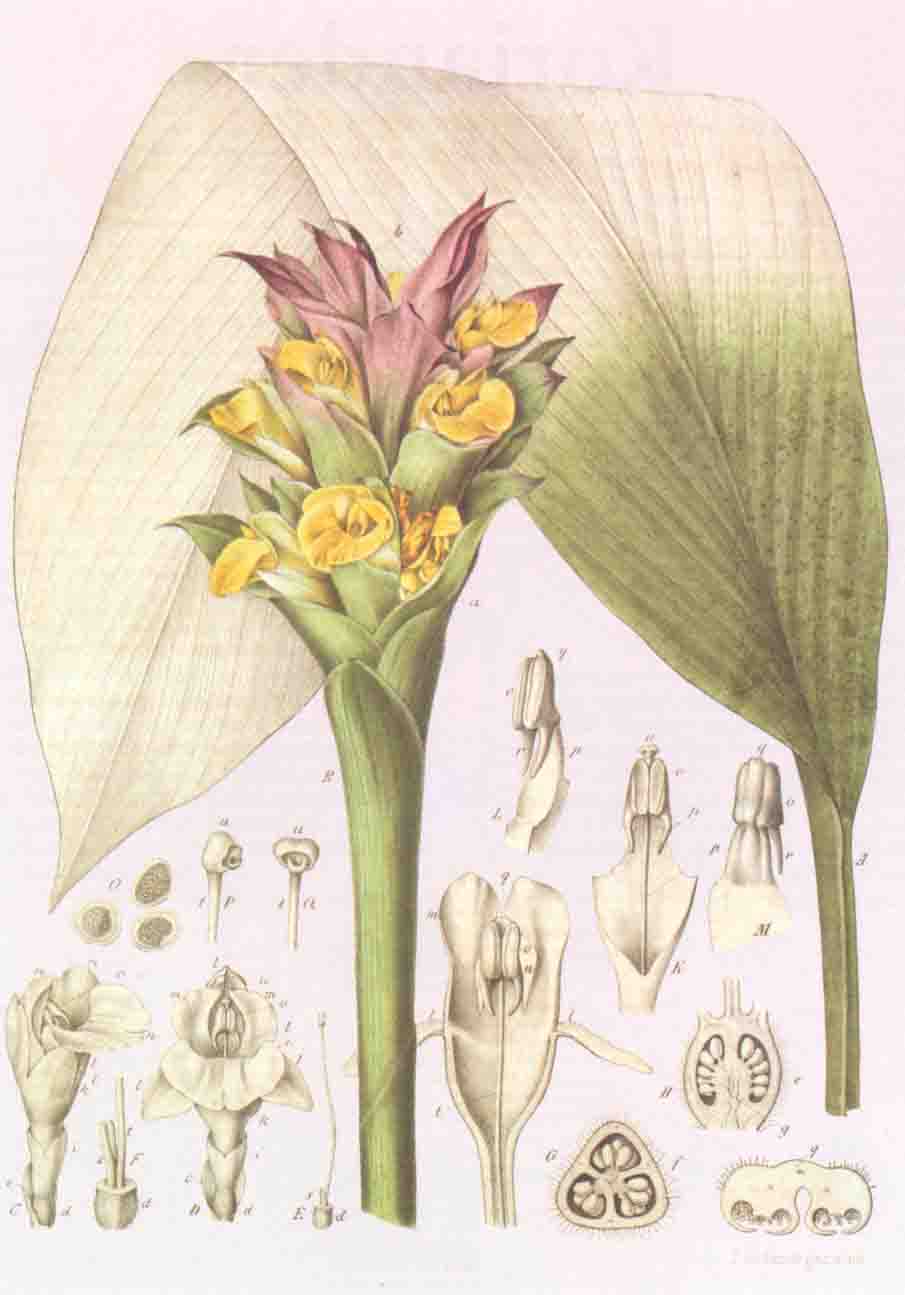
This project intends to support traditional plants that are threatened by extinction.While travelling arsenic affected areas in Bangladesh, it was a great surprise, to hear that many arsenic affected women after trying many modern medicine switched to the juice of raw Haldi (turmeric) and experienced astonishingly good results. Use of turmeric is widely known in ancient Ayurveda. There were thousands of useful plants, but current statistics show devastation of vast areas of remaining underdeveloped surface of our world and, with that destruction, the inevitable extinction of thousands of species of plants. In Bengali many of these plants have beautiful poetic names indicating passion for generation to generation. In Bengali traditional plant doctors are called "Kabi Raj", king of the poets!
The Ayurvedic system has described a large number of such medicines based on plants or plant product and the determination of their morphological and pharmacological or pharmacognostical characters can provide a better understanding of their active principles and mode of action.
The basic philosophy of Ayurveda considers that man is an inseparable part of the universe. The human body, mind and spirit continuum is an integral whole and the individual is also linked to the family, society, environment and ultimately the universe. The definition of health is that “ It is state of complete psychosomatic equilibrium. It does not mean only absence of diseases but a state in which the mind, senses and spirit are pleasant and active”.
Ayurveda is defined as a medical system comprising the wholeness of life’s harmony and balance, addressing the dimensions of an individual’s physical, emotional, and spiritual balance. Ayurvedic holistic character is, in fact, the one characteristic that allows for analysis of this system as a phenomenon involving from the outset the social, cultural and political forces that influence illness. For example, some of the elements that must be part of any diagnosis are considerations of the familial, social, geographical, and cultural place of the patient, in some cases even complementing a physical examination with a ‘land examination’. As Kakar (1982) notes, “the person in Ayurveda, then, is conceived of as simultaneously living in and partaking of different orders of being – physical, psychological, social, and one must add, metaphysical” ( Kakar, S (1982): Shamans, Mystics and Doctors: A Psychological Inquiry into India and Its Healing Traditions, Oxford University Press, Delhi.)According to Samkhya, the philosophical foundation of Ayurveda, creation expresses itself through the five elements: ether or space, air, fire, water, and earth. These elements manifest in the body as the three governing principles or humors called doshas: vata, pitta and kapha. Everyone has all three of these doshas to varying degrees, although one and sometimes two tend to be predominant and the other(s) secondary. In balance, the doshas promote the normal functions of the body and maintain overall health. Out of balance, they create mental, emotional and physical ailments. Vata is the subtle energy associated with movement and is made up of the air and ether. By nature it has dry, light, mobile and cold qualities. When aggravated, it can cause flatulence, constipation, tremors, spasms, asthma, rheumatoid and osteoarthritis, as well many neurological problems.
Pitta represents the fire and water elements of the body. It has mainly hot, sharp, and oily qualities. Pitta disorders include hyperacidity, ulcers, skin eruptions, chronic fatigue, Crohn's disease, colitis, gout and numerous inflammatory disorders.
Kapha is made up of earth and water, and is associated with heavy, cold, damp, and static qualities. Out of balance, kapha can cause obesity, high cholesterol, diabetes, edema, asthma, tumors, and a variety of congestive problems.
Aggravation of the doshas can affect the digestion and can create toxins, or ama, to form from poorly digested food. As ama accumulates in the tissues and channels of the body, it slowly but surely affects the flow of prana (vital energy), immunity (ojas) and the cellular metabolism (tejas), eventually resulting in disease.
Ayurvedic Health-Illness Dichotomy
The health-illness dichotomy in Ayurveda refers to two interrelated aspects of a phenomenon: the maintenance of the balance and harmony between environment, body, mind, and soul. Health is always defined as the permanent contest for preserving such a state of balance and wholeness and, ultimately, is its reflection in a high state of consciousness. Illness, on the contrary, beheld primarily as the loss of such balance and harmony, may be caused not only by identifiable diseases in the physical sense of its meaning, but also by mental, emotional or environmental factors. But if these are the general and abstract definitions of the health-illness constructs within Ayurveda, the ‘what and how’ of these two concepts within this system can be observed in specific issues such as: explanations of the causes of illness, the account of the different stages in which illness is formed, some characteristics of the Ayurvedic physiology and the conceptualisation of the body and, finally, the denotation of prevention as an important mediating concept in Ayurveda.
Like biomedicine, Ayurveda considers viruses and bacteria as causes of illness. But there are intrinsic differences. First, Ayurveda does not see these agents as the only cause of illness. The body and the environment are vast sources of micro-organisms, and it seems simple to say those are the only ones that cause illness. For Ayurveda, all those dimensions that produce health and life, such as soul, mind, senses, and body, could be sources of illness. In Joshi’s terms, there are three specific causes of illness: mistakes of the intellect (‘pragya aparadha’), misuse of the senses (‘asatymya indriyartha-samyog’), and the effect of seasons (‘pariman’). Pathogens, then, are only a secondary cause of illness.
Second, in contrast to biomedicine’s two stages of diagnosis and classification, Ayurvedic discourse explains the manifestation and identification of illness in six stages, called ‘shat kriya kal’. Through these six stages it is possible to observe two fully interrelated forces at work: toxicity (‘ama’) and mobility (‘dosha gati’). The first stage is ‘sanchaya’, which is a period of accumulation characterised by the presence of small imbalances. If these imbalances are ignored or suppressed, illness is invited to progress. The second stage is ‘prakopa’, which signifies ‘aggravation’ or ‘provocation.’ In this stage, if the initial symptoms are not corrected, they will continue growing. The third stage is ‘prasara’, meaning ‘to leave and spread.’ Overflowing of substances and materials are clues for the manifestation of symptoms.
The fourth stage is ‘sthana samshraya’, or ‘taking shelter in a place.’ Functional and structural damages are typical of this stage. The fifth stage is ‘vyakta’, which literally means ‘that which can be seen.’ This is a stage of clear differentiation in symptoms. In biomedical terms this would be equivalent to diagnosis and classification. The sixth and last stage is ‘bheda’, or ‘differentiation.’ Damage and complications are the main characteristics of this stage and, in the worst cases, it leads to death.
n sharp contrast to biomedicine, Ayurveda distinguishes between curable and incurable diseases. As Kakar (1982) notes, “openly listing a number of diseases that are incurable, the ‘vaids’ [Ayurvedic doctors] do not make the indefensible claim that they can cure all disease” (p 226).
A third contrast between the Ayurvedic body and the anatomical body of western biomedicine is that the Ayurvedic body is a compound of channels with substances flowing through them. In fact, if life is seen as a ‘flux’, it ‘fluxes’ through the channels of the body. This is, furthermore, the basic idea of Ayurvedic physiology: to keep all processes flowing through the body’s channels. When a channel gets blocked, illness is produced. Illness in one of its conceptualisations, appears as an abnormal process in which the ‘flux’ is interrupted in a channel. Of course, if a substance stops flowing through its own channel, this creates problems in another channel, contributing to illness.
The fourth and final aspect that allows for observing the relationship between health-illness in Ayurveda comes through the notion of prevention. This is a basic concept for this medical system since it underlines the maintenance of health rather than the treatment of disease. As a naturalistic system that emphasises the rightness of material life processes, Ayurvedic theory insists on the concept that the body evolves through changes and, for this reason, has to be purified and its essences liberated. Indeed, purification and liberation are only possible in a body with open channels through which ‘the flux’ keeps flowing.
Preventing illness is, therefore, an issue of maintaining the open channels through control of one of the basic material processes of life: eating. It is often stated in Ayurveda that ‘who we are is influenced by what we eat.’ Thus, food is the key to health and medication is secondary. In Ayurveda, as contrasted with biomedicine, people are not considered passive victims of pathogenic forces but active agents of their quality of life through the choices and interpretations that they make of their bodies and souls. Reducing the consumption of toxins and increasing the use of nourishing substances is, for example, a very simple practice prescribed by Ayurveda doctors for well-being, prevention, and maintenance of health.
From an Ayurvedic perspective, one of the main keys to maintaining optimal health as well as to support the healing process is to help the body eliminate toxins and to reestablish constitutional balance. That agrees with the definition of WHO “Health is a state of complete physical, mental and social well being and not merely the absence of disease or infirmity”.What in the western dichotomy of body-mind is seen as a separation of two aspects that influence each other, in Ayurveda it is seen as a holistic identity that has certain consequences. While biomedicine focuses on the body and illness, it is clear that Ayurveda focuses on the emotional and the person. These body-mind and health-illness dichotomies are vital to understand how a medical system is culturally, historically and politically constructed over time.
Garden can give you relief
Simple remedies:
For blocked noses, gravel throats and deep coughs: If your nose is all blocked up and you have an excruciating headache, it's because you are unable to breathe properly.
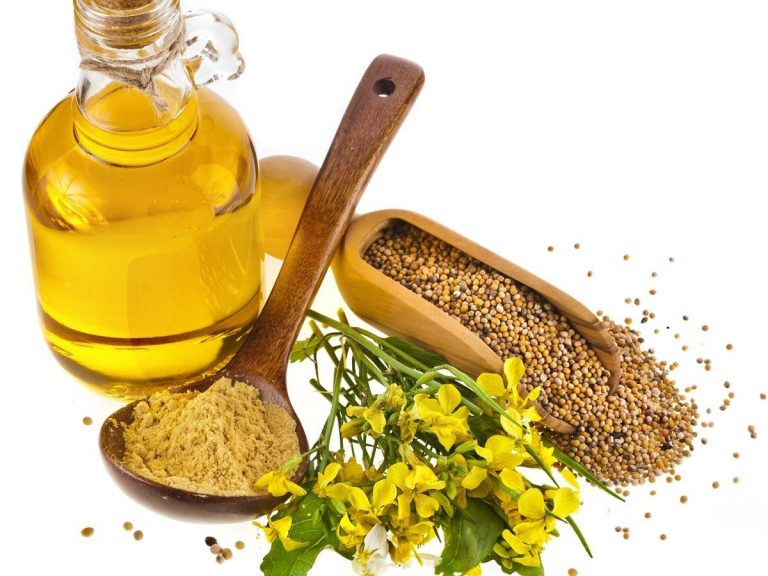
Snort a little mustard oil up your nasal passages and while it may sting a little, within minutes you'll be running to blow your nose. Within minutes your nasal passages will be cleared and you'll be able to breathe properly again.
If your throat feels raw and scratchy or you have difficulties swallowing, honey lemon-tea will do the trick.
Add two teaspoons of honey to a cup of raw tea (without sugar) and squeeze in to slivers of lemon. This potion has a two-way effect. The lemon adds flavour and helps to dissolve the honey in the tea that helps to get rid of the scratchy feeling. The raw tea provides the heat necessary to get rid of the swelling. If the problem persists before bedtime, add two teaspoons of honey to warm milk and it will do the same trick while helping you to sleep better.
If you have a deep-set cough that just refuses to come out, stop coughing, it will only make matters worse.
Put a kettle of water on the stove. Add cinnamon, cardamom and some ginger into it. Roll up an old magazine and inhale the steam that comes out of the spout through your nose and mouth. The heat will travel down and loosen the cough set in your chest. Pretty soon you'll be coughing out big chunks of you know what. In the meanwhile, if your nose is blocked, it will also help to clear it.
If you have allergies that are causing you to itch all over,
add neem leaves to your bathing water and you'll find relief. Rubbing a paste of the leaves all over before a shower and then showering helps as well. If the leaves aren't available, you'll find neem oil in the store. Substitute that for the paste to the same effect.
Leaves of Jarul (Arjuna) :anti-diabetes herbal tea.
Lagerstroemia speciosa Lythraceae Jarul
Quick growing; medium size tree, well-known ornamental tree, grown as a avenue tree. Oblong; Shades all leaves in Feb- March, totally looks leafless and dull; Fruit - Woody capsule remain through out the year.
The Pride of India is variously referred to as Queen’s Flower , Lagerstroemia speciosa in Latin, Jarul in Hindi and Holematti in Kannada. The tree is named after Magnus Lagerstroem, a Swedish merchant who funneled specimens from the East to Linnaeus in Europe. This tree is found across the Indian subcontinent in the Western Ghats, Bengal, Bangladesh, Assam, Myanmar and Sri Lanka.
The Jarul is a slow growing tree reaching a height of around 50 feet. Prior to dropping off in the dry season, the leaves turn yellowish red. The flowers bloom along with the appearance of the new leaf. The bright pink, pinkish mauve and purplish flowers appear in prominent clusters in large terminal panicles . The flowers have 6 or 7 petals crinkled and wavy and make a very attractive display when massed together. The flower panicles thrust out from the tree radially beyond the foliage towards the sky.Queen's flower is a deciduous tropical flowering tree growing up to 50 feet tall; it has smooth rounded leaves. The red-orange leaves have higher levels of corosolic acid. The beautiful flowers are racemes and are pink, purple or purplish - pink. The fruit is oval, about one inch long and splits in six pieces when mature. The seeds are small and have winged flaps. The reddish brown wood of Pride of India is used for home building, furniture, boots, etc.
The fruits are found in great profusion and persist for a long time. Thus, one sees the blackened fruits of the preceding season together with green fruits of the current season. The fruits are globular and contain pale brown winged seeds. The tree is of considerable use medicinally. The decoction from the boiled leaves is very effective medicine for diabetes. In the Andamans the fruit is used to cure mouth ulcers. The roots are prescribed as an astringent, the seeds are narcotic, the bark and leaves roots and flowers used variously in Indian medicine.
The leaves of Lagerstroemia speciosa (Lythraceae), a Southeast Asian tree more commonly known as banaba, have been traditionally consumed in various forms by Philippinos for treatment of diabetes and kidney related diseases. In the 1990s, the popularity of this herbal medicine began to attract the attention of scientists worldwide. Since then, researchers have conducted numerous in vitro and in vivo studies that consistently confirmed the antidiabetic activity of banaba. Scientists have identified different components of banaba to be responsible for its activity. Using tumor cells as a cell model, corosolic acid was isolated from the methanol extract of banaba and shown to be an active compound. More recently, a different cell model and the focus on the water soluble fraction of the extract led to the discovery of other compounds. The ellagitannin Lagerstroemin was identified as an effective component of the banaba extract responsible for the activity.There has been much research done on Banaba leaves and their ability to reduce blood sugar, and its "insulin-like principle." In the Philippines, Banaba is a popular medicine plant and is used in treatment of diabetes mellitus. It is high in corosolic acid which is used in many treatments for diabetes. It is a natural plant insulin, can be taken orally, and has no side effects, according to Japanese research.
The antidiabetic activity of an extract from the leaves of Lagerstroemia speciosa standardized to 1% corosolic acid (Glucosol) has been demonstrated in a randomized clinical trial involving Type II diabetics (non-insulin-dependent diabetes mellitus, NIDDM). Subjects received a daily oral dose of Glucosol and blood glucose levels were measured. Glucosol at daily dosages of 32 and 48mg for 2 weeks showed a significant reduction in the blood glucose levels. Glucosol in a soft gel capsule formulation showed a 30% decrease in blood glucose levels compared to a 20% drop seen with dry-powder filled hard gelatin capsule formulation (P less than 0.001), suggesting that the soft gel formulation has a better bioavailability than a dry-powder formulation.
Numerous studies have been done on this remarkable herb, much of it in Japan, with researchers such as Dr. Yamazaki, professor of Pharmaceutical Science, Hiroshima University School of Medicine. One study mixed banaba dried leaf powder with chicken feeds, and then analyzed the yolk of the chicken egg. When the banaba enriched egg yolk was fed to diabetic mice, their blood sugar level was normalized. In another study, the alcohol extract of banaba leaves was sprayed into the air of a room at night while the patient was sleeping via a mist generating device. It was found that as the person slept, their lungs received trace amounts of corosolic acid which helped regulate blood sugar levels.
Tea of the leaves is used against diabetes mellitus and for weight loss. Banaba leaves are able to lower blood sugar due to, among other phytochemicals -, Corosolic acid (triterpenoid glycoside). Although this is not the only active phyto-chemical.
Banaba also contains concentrations of dietary fiber and minerals such as magnesium and zinc.. Banaba helps the body handling glucose and is as such also effective in weight loss. The hypoglycemic (blood sugar lowering) effect is similar to that of insulin (which induces glucose transport from the blood into body cells). The tea is therapeutic against ailments such as diabetes, kidney- and urinary problems. The taste is pleasant and smooth; in Japan it is known as "slimming tea."
Five scientists of Bangladesh Council of Scientific and Industrial Research in Chittagong made an anti-diabetes herbal tea. They used leaves of jarul (Lagrestroemia flos-reginae Retz. (syn. L. speciosa Pers.) for the tea. Fame Pharmaceuticals bought the technology to produce the anti-diabetes tea, capable of producing insulin in the body and controlling the diabetes. The brand name of the tea is Diabino.‘This tea will help the diabetic patients in controlling their diabetes’, said BCSIR chairman Chowdhury Mahmud Hasan (The Independent, March 7, 2008).
The hot water and ethanol extracts of Andrographis paniculata (local name Kalomegh) collected from Chittagong exhibited a significant hypoglycemic (blood glucose lowering) activity in both glucose-loaded and alloxan-induced diabetic rats. Oral administration of glucose (1.5 g/kg body weight) increased the blood sugar level while the intraperitonial (ip) administration of alloxan (40 mg/kg body weight) enhanced the blood sugar level much higher than that of the glucose-loaded rats. The hot water (0.8 g/kg b.w.) and ethanol extracts (2 g/kg b.w.) of A. paniculata reduced the elevated glucose level by 41.51 and 41.82%, respectively in glucose-loaded rats as compared to the respective diabetic control rats. On the other hand, administration of hot water and ethanol extracts of A. paniculata decreased the blood sugar level by 46.21 and 45.13%, respectively in alloxan-induced diabetic rats, when compared with that of diabetic control rats (Hossain, et. al, Dhaka Univ. J. Pharm. Sci. 6(1): 15-20, 2007 (June).1. 1. Globalisation
The story of globalisation of ayurveda is also not the story of opening up of a new world of unlimited opportunities as a result of the rise of the herbal products industry worldwide. A certain kind of opportunities has certainly opened up, but by closing down some other possible openings and by changing the very nature of what was and has come to be recognised as ayurvedic medicine. The change is certainly not for the better. Indeed, there is a case for regarding these changes as downgrading of ayurvedic medicine and reducing it to a more rudimentary form of herbal medicine.
With enormous pressures being exerted by the dominant establishment including the pharmaceuticals industry, alternative medical systems have been confined to marketing alternative products. The real challenge for ayurveda in the global economy lies in defining the parameters and terms of those parts of its knowledge system that are considered adaptable to the market. However, in the scramble to protect markets and knowledge regimes, it is not yet understood that there is a deeper colonisation being played out in the edging out of alternative world-views inherent in these medical systems (M. Banerjee, EPW, January 3, 2004).
The so-called G21 grouping, in Cancun, which represents more than half the world's population and some two-thirds of its farmers, is united by a common commitment to getting the West to unwind subsidies running at nearly $1 billion a day.
"These are the pressures and blackmail we were going through. They are talking about trade liberalisation and that is their mantra. But then in the areas where they do not have an advantage, like agriculture, they practise protectionism. They have double standards, and the people in those countries need to question their government." (Comment from Uganda, Cancun, 2003). The USA and the rich European countries are trying to create a scenario about which we have read in John Steinbeck's novel The Grapes of Wrath. As this is being written the third draft agreement has also faced opposition from the developing countries. "Developing countries have rejected the EU's anti-development agenda. EU member states such as Britain must now start listening to the emerging opposition of developing countries and address their concerns" (NGOs, Reuters, 2003).
Bangladesh's focus on quota- and duty-free access of LDCs' products to the markets in the developed world appeared to centre around non-agricultural products. Then the issue of movement of semi-skilled workers, which Bangladesh raised so ardently as the coordinator of the LDCs, failed to evoke the desired response (Daily Star, Sept., 2003)
A United Nations report said Friday (30.06.06) that globalisation has failed to close glaring inequalities between rich and poor nations and called for developing countries to be given more space to build up their national economies. The UN's ‘2006 World Economic and Social Survey’ said that inequalities at the global level had grown sharply in recent decades, once fast growing China and India – which between them account for one-third of the world's population – were left out of the equation.
It argued that poorer countries need to be given more opportunity to diversify their commodity-based economies to make them less vulnerable to fluctuations in world prices and shocks in international financial markets.
Developing countries should be allowed to implement support measures for nascent export industries, and be granted more special and differential treatment under World Trade Organisation agreements, the report said. Support measures for exports are normally frowned upon in the WTO (Agence France-Presse . Geneva , 2. 07. 06).
Some Western envoys had expressed skepticism that the G21 would survive long because countries such as Brazil and Argentina, efficient farm goods exporters, appeared to have little in common with India, a protectionist nation of 650 million poor farmers.
Professor Stiglitz, the prime voice against globalisation, has noted in his lectures in Bangladesh and elsewhere in the region that "No agreement is better than a bad agreement." It will be incumbent on the Bangladesh delegation and that of the like-minded LDCs to appreciate and act according to Professor's Stiglitz's views on globalisation.
The late 19th and early 20th centuries also saw a globalisation in economic markets, although not as pervasive and widespread as is the case at the present time. Some claim that globalisation has originated from the dynamics of the phenomenal technological advances, while others, particularly anti-globalisation lobbies, contend that big multinational and transnational companies are the responsible parties for both initiating and carrying the process forward.
The origins of globalisation lie in the political decision by the developed countries, led by the USA with active support from the UK. The purpose, it is suggested, was to develop such an international financial architecture and a trade regime as would mobilise savings from around the world to serve the economic interests of the developed countries, particularly the USA .
Thus, those countries insist that the developing countries open up their markets; but they themselves do not walk the promises made and even the agreements granting preferential market access to imports, particularly to non-agricultural imports, from the developing countries.
The level of agricultural subsidy in the USA and the rich EU countries runs at such a high level as US$1 billion a day. On the other hand, they insist that the developing countries do not provide subsidies to agriculture or to any other economic activity.
Moreover, international free movement of labour is not allowed, thereby making the on-going globalisation a partial process, denying the developing countries the one opportunity from which they certainly stand to gain.
The Millennium Developing Goals (MDGs), formulated by the United Nations, focus on issues of deep concern in the developing world. These issues include poverty reduction, promotion of universal primary education, promotion of gender equality and empowerment of women, reduction of child mortality, improvement of maternal health, ensuring environmental sustainability, increasing access to safe drinking water and proper sanitation.
In fact, according to UNDP Human Development Report 2003, 54 countries are now poorer than in 1990. Also, during the same time span, the proportion of people going hungry has increased in 21 countries, and life expectancy at birth has fallen in 34.
The free-market globalisation that is being pushed forward by the international dominant powers through such institutions as the World Bank, the IMF, and the WTO and, also, using bilateral mechanisms, virtually discarding the concept of sustainable development for all practical purposes. The issue of environmental sustainability receives a lot of rhetorical attention, but not much in practical terms. Apathy on the part of the rich countries and lack of human and financial capability as well as of far-sight on the part of most of the developing countries are allowing the process of environmental un-sustainability to continue to accentuate.
The USA, the largest contributor to the global emission of greenhouse gases that are responsible for global warming, has withdrawn from the Kyoto Protocol on control of emission of greenhouse gasses, thereby jeopardising the prospect of the Protocol to come into effect.
Biodiversity, Trade and Development Linkages: Favoured Developed Northern CountriesThe interlinkages between trade,i n v e stment, en v i r o nment ,biodiversity, poverty, rural livelihoods and development are multiple and complex, but very crucial in the unequal but globalized world. The world has seen fundamental and many pervasive changes in the last 50 years. The trends toward globalization has been driven in part by the new technologies and in part by reduced barriers to international trade or trade liberalization and investment flows. The result has been a steady increase in the importance of trade and investment in the global economy while the economy quintupled and the world trade grew by a factor of 14 (IIED and DFID, 2002 and UNCTAD, 1999).
On the other hand, it increased global inequality; the benefits of growth have been very unevenly spread and skewed in favour of the developed northern countries. In many cases trade and investment destructed ecology, biodiversity and livelihood of millions of poor particularly in the least developed and developing southern countries (IISD and UNEP, 2000).
Trade liberalization can also increase exploitation of natural resources and exacerbate the associated negative impactson biodiversity. Despite this, a growing number of developing countries look to trade and investment as a central part of their strategies for development and trade considerations are increasingly shaping their economic and development policy.
Biodiversity also has recreational, cultural, spiritual and aesthetic values. Maintaining biodiversity and access to it, while obviously a planetary public good, is crucial for the poor.
The World Health Organization has estimated that 80% of the world’s population depends on traditional medicine derived from local plant varieties for their primary health needs.
Wild plants, in field and forest, make a significant contribution to the diet of many poor communities. In many developing countries, poor communities are able to draw at least half of their food from forest products, and consequently have never faced famine.The emerging global market forces, technological innovation and commercial interest encourage mono-cropping. High technical input and huge investment backed by commercial interest and chief gains in agriculture and other farm level production have destroyed local knowledge and local resources management practices. This process seriously affected the natural resources bases and degraded bioresources. This also dislocated millions of marginal and poor people from their traditional occupation and thus affected their livelihood resulting landlessness, poverty, impoverishment in the development countries. Rapid expansion of shrimp farming and huge investment in shrimp sector by the non- resident rich and power elites in the coastal region of Bangladesh has been one of the classical examples of such unsustainable trade and investment.
1. Destruction of sustainable ecosystem for the finest kitchen of the Industrial Countries
2. Poor farmers losing lands to shrimp farm owners
3. Green fuel vs hungry peopleThe process not only dis-benefited poor in terms of their loss of livelihood and reduced access to natural resources and productive assets, but also eroded their capacity and skills in relation to gaining sustainable livelihood, resources management and conservation of biodiversity. Plantation of exotic tree species in the Madhupur forest in Bangladesh dislocating indigenous people could be an example of such bad investment, where few corrupt people and local power elites played a key role in an ADB supported forestry programme.
1. Plantations (replacing native species) Are Not Forests
2. Forest without Forest Dwellers: Development Program by Asian Development Bank (ADB, The World Bank)Most of the multinationals and global financial institutions such as the World Bank, IMF, ADB have very often supported the commercial production and high technologies. As a result, a small section of people, mainly big merchants, local agents, few government officials, who control the production, processing and exporting of goods and services have been greatly benefited. On the other hand, the common people and the poor are gradually being marginalized and dis-benefited in the unequal and north dominated trade and investment regime. The process not only dis-benefited poor in terms of their loss of livelihood and reduced access to natural resources and productive assets, but also eroded their capacity and skills in relation to gaining sustainable livelihood, resources management and conservation of biodiversity.
The current WTO rules are too deeply influenced by the powerful trading nations, multinationals and liberalization has dis-benefited the developing countries.Many developing countries have criticized Trade Related Intellectual Property Rights (TRIPS), because it willfavour the developed countries and transnational corporations. TRIPS does not provide any guarantee or safeguard to ensure that the poor share in billions of dollars that may be made from the South’s biological resources or the application of traditional knowledge; and most importantly, TRIPS reduces farmer’s access and control over agricultural resources including seeds which are essential for their food (BCAS, 2004)
The UNCED Agenda 21 suggested to making trade and environment mutually supportive for achieving sustainable development for the global community. The Agenda 21 stresses on poverty eradication, environmental protection and conservation of natural resources and bio-resources.t he great disappointment was the absence of new benchmark, target or timelines in the areas addressed in the action plan (BRIDGES, September 2002).
The judicial system - serves the interests of the ruling classes
There are many people who believe that the institutionalisation of justice in the form of the judicial system that accompanied the emergence of bourgeois democracy only serves the interests of the ruling classes in this country. For them it is only natur al that the courts will not and cannot give justice to the poor. But for those of us who do believe that the courts - like any other institution in this troubled democracy - are contested arenas for conflicting interests, the only means of ensuring that the courts continue to function as institutions that affirm democracy, is by subjecting them to intense and persistent public scrutiny.
It is now a matter of widespread concern that the judicial system of this country (India) and its judgments are becoming increasingly anti-people: the Bhopal judgment as well as the one on the Narmada are both landmarks of justice denied. The recent judgment on the relocation of small industries and the fate of 25 lakh workers in Delhi becomes incomprehensible when you consider the government data that 67 per cent of all pollution in Delhi comes from vehicles. Yet there is no judgment on the sale, purchase or use of private cars, no real attempt to provide a better public transport system. The rich cannot be touched, but the industries and the workers must go. Does it not need to be asked then, what kind of justice is this, that is so divorced from its real ob jectives and what ends does it seek to meet?
The judgment on the Sardar Sarovar Project has to be scrutinised not only because of what it will mean for the millions of people in the Narmada valley who are being uprooted even while it has been made abundantly clear that there is simply no agricultural land available to rehabilitate them. It has to be scrutinised also because it draws larger conclusions about big dams in general (based not on empirical evidence, but on judicial conjecture) and about popular movements and people's access to the system of justice in particular
The majority judgment suggests that people cannot appeal to the courts of law once a project is under way. Since communities are never informed about a project until it begins to be executed, and since this judgment dec rees that they cannot appeal once it begins to be executed, does it mean that affected people can never question a patently bad project? This can only mean that the judicial system - one of the foundations of a democratic system - is unavailable to the common people of this country and their struggles (Front Line, Volume 17 - Issue 26, Dec. 23, 2000 - Jan. 05, 2001).
Living in a country where Neel Darpan, a celebrated play about the plight of the indigo planters during colonial times, inspired peasant struggles and a resistant subaltern consciousness; where the independence struggle (and many people's movements before and after) were marked by the participation of writers and artists.
Understand that the environmental battles of today and tomorrow are not just battles between the Indian elite and the peasantry or workin g class. The battle is between the large mass of common people in this country and global corporatisation. The fight over the control and the use of our lands and rivers is going to be as much in the forests of Madhya Pradesh (where tribal people oppose the World Bank Forestry Project), as on the streets of Andhra Pradesh (where farmers, energy workers and domestic consumers fight the wrecking of the power sector on IMF-World Bank prescriptions), as in the Narmada valley. You will have to decide which side you are on (C. Palit, 2001).
Economic globalization has outpaced the globalization of politics and mindsets – it's time for change by Joseph Stiglitz
I have written repeatedly about the problems of globalisation: an unfair global trade regime that impedes development; an unstable global financial system that results in recurrent crises, with poor countries repeatedly finding themselves burdened with unsustainable debt; and a global intellectual property regime that denies access to affordable life-saving drugs, even as AIDS ravages the developing world. I have also written about globalisation's anomalies: money should flow from rich to poor countries, but in recent years it has been going in the opposite direction. While the rich are better able to bear the risks of currency and interest-rate fluctuations, it is the poor who bear the brunt of this volatility.
Indeed, I have complained so loudly and vociferously about the problems of globalisation that many have wrongly concluded that I belong to the anti-globalisation movement. But I believe that globalisation has enormous potential - as long as it is properly managed.
Some 70 years ago, during the Great Depression, John Maynard Keynes formulated his theory of unemployment, which described how government action could help restore full employment. While conservatives vilified him, Keynes actually did more to save the capitalist system than all the pro-market financiers put together. Had the conservatives been followed, the Great Depression would have been even worse and the demand for an alternative to capitalism would have grown stronger. By the same token, unless we recognise and address the problems of globalisation, it will be difficult to sustain. Globalisation is not inevitable: there have been setbacks before, and there can be setbacks again.
Globalisation's advocates are right that it has the potential to raise everyone's living standards. But it has not done that. The questions posed by young French workers, who wonder how globalisation will make them better off if it means accepting lower wages and weaker job protection, can no longer be ignored. Nor can such questions be answered with the wistful hope that everyone will someday benefit. As Keynes pointed out, in the long run, we are all dead. Growing inequality in the advanced industrial countries was a long-predicted but seldom advertised consequence of globalisation. Full economic integration implies the equalisation of unskilled wages everywhere in the world, and, though we are nowhere near attaining this "goal," the downward pressure on those at the bottom is evident. To the extent that changes in technology have contributed to the near stagnation of real wages for low-skilled workers in the United States and elsewhere for the past three decades, there is little that citizens can do. But they can do something about globalisation.
Economic theory does not say that everyone will win from globalisation, but only that the net gains will be positive, and that the winners can therefore compensate the losers and still come out ahead. But conservatives have argued that in order to remain competitive in a global world, taxes must be cut and the welfare state reduced. This has been done in the US, where taxes have become less progressive, with tax cuts given to the winners - those who benefit from both globalisation and technological changes. As a result, the US and others following its example are becoming rich countries with poor people.
But the Scandinavian countries have shown that there is another way. Of course, government, like the private sector, must strive for efficiency. But investments in education and research, together with a strong social safety net, can lead to a more productive and competitive economy, with more security and higher living standards for all. A strong safety net and an economy close to full employment provides a conducive environment for all stakeholders - workers, investors, and entrepreneurs - to engage in the risk-taking that new investments and firms require. The problem is that economic globalisation has outpaced the globalisation of politics and mindsets. We have become more interdependent, increasing the need to act together, but we do not have the institutional frameworks for doing this effectively and democratically.
Never has the need for international organisations like the IMF, the World Bank, and the World Trade Organization been greater, and seldom has confidence in these institutions been lower. The world's lone superpower, the US, has demonstrated its disdain for supranational institutions and worked assiduously to undermine them. The looming failure of the Development Round of trade talks and the long delay in the United Nations Security Council's demand for a ceasefire in Lebanon are but the latest examples of America's contempt for multilateral initiatives.
Enhancing our understanding of globalisation's problems will help us to formulate remedies - some small, some large - aimed at both providing symptomatic relief and addressing the underlying causes. There is a broad array of policies that can benefit people in both developing and developed countries, thereby providing globalisation with the popular legitimacy that it currently lacks.
In other words, globalisation can be changed; indeed, it is clear that it will be changed. The question is whether change will be forced upon us by a crisis or result from careful, democratic deliberation and debate. Crisis-driven change risks producing a backlash against globalisation, or a haphazard reshaping of it, thus merely setting the stage for more problems later on. By contrast, taking control of the process holds out the possibility of remaking globalisation, so that it at last lives up to its potential and its promise: higher living standards for everyone in the world.(Joseph Stiglitz is University Professor at Columbia University. In 2001, he was awarded the Nobel Prize in economics),September 2006).
1. 2. Tree Worship
Tree worship was a part of the religious faith in the prehistoric Indus civilization. The Vedas have praised trees as the sources of herbal medicine needed to fight diseases and for providing wood, as well as food in the pre-agricultural period.
In the Buddhist religion, tree worship had a special place as is evident from the discoveries in places like Sanchi, Barhut, Amaravati, Budhgaya where the mounds or stupas have revealed rich decorative relief work detailing scenes of tree-worship and images of "Brikha" or tree-god.
Trees being nature's major processors of solar energy which is vital for our existence, and yielding flowers, fruit, wood or medicine, have been worshipped by the ancient people of Indian Sub-Continent as a matter of gratitude. Manu believed that they were conscious like humans and felt pleasure and pain. Indian sages and seers eulogized asvattha or peepal (Ficus religiosa), gular (Ficus glomerata), neem (Azadirachta indica), bel (Aegle marmelos), bargad or banyan (Ficus bengalensis), asoka (Sereca indica), amala (Phyllanthus emblica), arjuna (Terminalia arjuna) and many other trees which acquired social and religious sanctity with the passage of time.
It is considered that primitive races of Bengal were tree-worshippers.. A number of trees have become objects of worship. In the popular belief, trees are seen to be favoured by different gods and goddesses who often lived in them.
It was this belief that Marmelos tree to Shiva, Tulsi (Basil) to Bishunu, Shal to Durga and Shij to Manesa. In Bikrampur in the District of Dhaka, Hindu women have been worshipping a particular Neem tree by daubing it with vermillion and oil as they think the godess Kali lives in this tree.
 Bono bibi or Lady of the Forests - is the presiding female detity of the Sunderbans (Mangrove Forest) cultural zone. She is the gurdian deity of the forest. Both the Hindu and Muslim communities pay their respects before venturing into the forest. Also known as Basuli, Bibima, Bon Durga or Bon Kali, she is potrayed by clay molders either mounted on a tiger or a hen. She is pretty and graceful, ever eager to protect the people of the Snderbans.
Our ancestors worshipped the elements: the sun, earth, water, wind, thunder and lightning. The ritual abides; the spirit is gone. We still regard the peepal sacred because the Buddha gained enlightenment meditating under its branches — hence the Latin name ficus religiosa. Its cousin banyan or barh is still worshipped in villages across the country. So is the tulsi (Basil) grown and worshipped in millions of Hindu homes. We worship trees but we do not look after them. We cut down forests every day to cremate our dead. We use wood as fuel to cook and keep ourselves warm. We deprive birds and animals of food and shelter. We must reverse the process, learn to love and cherish our trees.
Berholt Brecht captures man’s yearning to establish a close relationship with a tree:
Morning Address to a Tree Named Green
Green, I owe you an apology
I couldn’t sleep last night because of the noise of the storm.
When looked out I noticed you swang
Like drunken ape. I remarked on it.
Today the yellow sun is shining in your bare branches
You are shaking off a few tears still, Green.
But now you know your own worth.
You have fought your bitterest fight of your life.
Vultures were taking an interest in you.
And now I know:it’s only by your inexorable
Flexibility that you are still upright this morning.
In view of your success it’s my opinion today:
It was no mean feat to grow up so tall
In between the tenements, so tall, Green, that
The storm can get at you as it did last night.Worship of Tree 'Karam Puja'
With a view to starting the festival the 'Thakur' (priest) along with some of the members of their community went to Jonepur, some two kilometres away from Natshal, to cut a branch of Karam or Kadamba tree. There they lighted an earthen lamp (Pradip) and offered worship at the foot of the tree. Then one of them climbed the tree and cut a branch of it. They returned to Natshal, one of the venues of the festival with that branch of the Karam tree and planted it.
The aborigine men and women passed the whole night by singing and dancing surrounding the branch of the 'Karam' with 'Madal' and 'Karatal'. In the morning, they sank the branch in a nearby pond. This was the main ritual the aborigines had long been performing. But there is a story that they believe to be the cause of introduction of Karam Puja.
The aborigines, who live mainly on agriculture, believe that to get proper benefit from agriculture they must worship the branch of Karma (Kadamba) in the name of the 'Karma God'.
The story that they believe is like this : Karma and Dharam were two brothers. Karma worked hard but Dharma did not work. He only worshipped a branch of a tree.At this, being very angry Karma once threw away the branch which fell on an island across seven seas and thirteen rivers. Karma began to suffer for his neglect of the Kadamba branch and found no more success in agriculture. Karma realised his guilt and after toiling too much took back the branch and started worshipping it. At this he regained his success in agriculture. From that moment 'Dal Puja' or 'Karam festival' came in culture of the aborigines.
Karam festival was actually the festival of the 'Orao' tribe who used to celebrate the festival at their respective areas. Jatiya Adibasi Parishad and Adibashi Sangskritik Parishad jointly started celebrating the festival about eight years ago at Natshal field on the next day of the main ritual. Now it has become a great communion of all the aborigines like Orao, Santal, Munda, Mahato and Raichatri.
Sounds of 'dhol' and clapping of the aborigine men, women, old, young and children create a dancing excitement in the blood of all gathered there. But it was closely observed that a section of political personalities have spread their claws to take the minority group under their control. They make the total arrangement of the festival at Natshal field from background although they do not belong to that community (The Independent, September 4, 2004).
Yusuf et. al., (1994) in a recent publication gave a list of 546 medicinal plants that occur in Bangladesh. However, the inventory is not complete, and many plants with medicinal value are yet to be discovered.
The Rangamati Hill District in CHT still harbors a portion of virgin forest. But the procurement of medicinal plants from the wild habitat for professional collectors to make local medicines is unscientific, indiscriminate, and in most cases leads to overexploitation. There is severe depletion of the natural stands, without any provision for the regeneration of species. Some rare species like Ulat chandol (Gloriosa superba), Sarpo gandha (Rawolfia serpentina), and Aswa gandha (Withania somnifera) have become regionally endangered.Prior to the last two centuries medical practitioners - whether allopaths, homeopaths, naturopaths, herbalists, or shamans - have to know the plants in their areas and how to use them, since many of the drugs were derived from the plants. Plants contain compounds that include a pharmacological reaction in the human body. Plants are very rich in secondary compounds including alkaloids, glycosides, essential oils, and other organic constituents, are responsible for the medical qualities of plants. Alkaloids obtained from vascular plants are among the most important pharmacologically active compounds. They are bitter-tasting organic compounds that are basic (alkaline) in their chemical properties. In Bangladesh and India many bitter spinach varieties that grow in water and land are known as blood cleaning agent and are preferred as appetiser for thr hundreds of years or more.
Man is not only a great inventor and builder, but he has also proved to be the most destructive force ever to appear on the face of the earth. Besides less than ten percent of the population of this planet enjoys all the resources and determines the future course. Statistics show that the devastation of vast areas of remaining undeveloped surface of our world have been destroyed with inevitable extinction of thousands of plant and animal species.
People have recognised the medical value of plants for thousands of years. In the Vedas, which stretch back more than five thousand years mentioned that spices are not only an integral part of culture but also invaluable to cure for every ailment known to man. Even though our earliest ancestors may not have understood how or why certain plants cured specific ailments, they were well aware that plants heal as well nourish. In developing countries today the majority of the population rely on herbal drugs. About two thousands plants are used medically in the Indian-Subcontinent , while three-quarters of the population of China still use herbal medicine. Before synthetic chemicals dominated medicine, as they do to day, roughly 80 per cent of all drugs were derived from plant materials. Chemists eventually developed synthetic version of many drugs, but these man made products would never existed without nature leading the way. In some cases, chemists have not yet learned to duplicate nature. There are stillmany unknown wild tropical plants of our botanical heritage not yet researched or discovered and many potential cures.
Worship Shaljong (the sun god), asking for his blessings for a good harvest
Jhum Cultivation
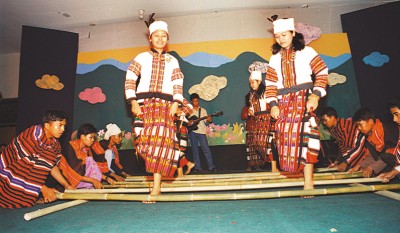
The people of North East India and hilly areas of Bangladesh represent a fascinating variety of cultures. Jhum plays an important cultural role in local customs, traditions, and practices, besides offering economic security to farmers. It would be unfortunate if developmental programmes based on misguided opinions about jhum suppress this unique form of agriculture. Only occupations providing monetary and social benefits perceived by jhumias to outweigh the cultural and security benefits embodied by jhum are likely to gain acceptance. A balanced approach to development that also recognises the merits of jhum is needed. Then, this remarkable form of organic farming may persist into the 21st century.
Jhum as commonly practised by indigenous tribes in North East India. This 'primitive' form of agriculture, according to supporters of "deforestation":resulted in serious environmental problems: loss of forest cover, erosion of topsoil, desertification, and declines in forest productivity.
Others have also decried jhum as an inefficient form of agriculture, an impediment to progress of forestry, and an agent of destruction of biodiversity. Such beliefs have been widespread since British times, and have even resulted in forcible suppression of the practice, oppression and relocation of tribals in Central India and other hill regions.
Rapid demographic and social changes have occurred in many tribal societies of North East India. The environmental impacts of jhum cultivation and its role in people's lives have concurrently changed. The conversion of over 80% of the population to Christianity in less than a century (1894-1994) has dislodged the significant role of superstition and mystique in peoples' relationship with their natural environment. A large majority of peoples is tribal and dependent on jhum for its subsistence and livelihood.
Advantage of Jhum Cultivation:
In contrast, studies by ethnologists have tended to view shifting cultivation favourably. It is considered a diversified system, well adapted to local conditions in moist forest and hilly tracts.Others have argued that traditional shifting cultivation may not be as destructive as modern forest exploitation for timber. Clearance of small patches of forest with long fallow periods may even enhance biodiversity in the landscape due to the creation of a variety of habitats. Amidst such contrasting views, there is a clear need for reliable empirical and scientific data on the nature and ecological impact of jhum.
Jhum cultivation usually involves cutting of second-growth bamboo forests. Since old growth or primary forest is less extensively available and is more difficult to clear, they are cultivated infrequently. The clearing work usually begins in January-February. The slashed vegetation is allowed to dry on the hill slopes for 1-2 months prior to burning in March-April. Crops are sown with the first rains in April in plots that are 1-4 ha in area. Usually, inter-cropping of one or more paddy varieties with 15-20 other crops (vegetables, maize, chillies, gourds, cotton, arum, and mustard) is carried out.
Studies showed that, far from being primitive and inefficient, jhum is an ingenious system of organic multiple cropping well suited to the heavy rainfall areas of the hill tracts. The economic and energetic efficiency of jhum is higher than alternative forms of agriculture such as terrace and valley cultivation. This is mainly because terrace and valley cultivation needs expensive external input such as fertilisers (which often get leached or lost in the heavy rainfall hill slopes) and pesticides, besides labour for terracing.
The superiority of jhum cultivation over some forms of sedentary cultivation partly explains the persistence of this form of agriculture in North East India. Other reasons include the economic security provided by jhum and its cultural importance to indigenous tribes. Poor access to markets, capital, and technical knowhow of more commercially rewarding alternatives such as horticulture and cash crop cultivation also hinders the transition to other occupations. Clearly, one cannot do away with jhum assuming it to be a primitive and inefficient system, as attempted in governmental jhum control programmes and new land use policies. Instead, an unbiased understanding of the advantages of jhum is required for proper design and implementation of developmental programmes.
Erosion of valuable topsoil in the hills due to jhum has been alleged to cause siltation and floods in the plains. Singh has reviewed studies carried out by the Indian Council of Agricultural Research that compared soil erosion from jhum fields with other forms of cultivation on terraces and contour bunds. These studies show that jhum fields cultivated for a single year and abandoned (the most common practice) have less erosive losses of soil than the other forms of settled cultivation.
Soil erosion is minimised in jhum due to the retaining of rootstocks of bamboo and trees in burned plots, the rapid recovery of weeds and bamboo following abandonment, and the interspersion of forests and fields on hill slopes. The evidence for siltation of rivers and floods because of soil erosion due to jhum is weak and possibly untenable. Other factors, such as large scale logging for timber extraction, may be responsible to a greater extent for the deforestation and environmental problems in North East India.
References:
P.D. Stracey, 1967, 'A note on Nagaland', Journal of the Bombay Natural History Society 64: 440-446.
D. Borah and N.R. Goswami, 1973, A comparative study of crop production under shifting and terrace cultivation (a case study in the Garo hills, Meghalaya). Ad hoc Study 35, Agro-economic Research Centre for North East India, Jorhat;
A.P. Dwivedi, 1993, Forests: the ecological ramifications. Natraj Publishers, Dehradun;
R.R. Rao and P.K. Hajra, 1986, 'Floristic diversity of the eastern Himalaya in a conservation perspective', Proceedings of the Indian Academy of Sciences (Animal Sciences/Plant Science Supplement) November: 103-125.
C. von Fürer-Haimendorf, 1982, Tribes of India: the struggle for survival. Oxford University Press, Delhi;
M. Gadgil, and R. Guha, 1992, This Fissured Land: an ecological history of India. Oxford University Press, Delhi.
H. Conklin, 1969, An ethnoecological approach to shifting agriculture, pp. 221-233, in A.P. Vayda (ed),
Environment and Cultural Behaviour. Academic Press, New York; O. Horst, 1989, 'The persistence of milpa agriculture in highland Guatemala', Journal of Cultural Geography 9: 13-29;
M.J. Eden, 1987, 'Traditional shifting cultivation and the tropical forest system', Trends in Ecology and Evolution 2: 340-343;
R. Guha, 1994, Fighting for the Forest: state forestry and social change in tribal India, pp. 20-37, in O. Mendelsohn and U. Baxi (eds), The Rights of Subordinated Peoples. Oxford University Press, Delhi.
M. Gadgil and R. Guha, 1992, op. cit. P.S. Ramakrishnan, 1992, Shifting Agriculture and Sustainable Development: an interdisciplinary study from north-eastern India. MAB Series, Volume 10, UNESCO, Paris.
1. The types of forests in Bangladesh
2. Forest without Forest Dwellers - New
3. Handling with wild seed
4. Types of soil
5. Ferns eat up arsenic
6.Ineffectiveness and Poor Reliability of Arsenic Removal Plants in West Bengal, India
7. Cultivation of "lajjabati lata" mimosa pudica
8. The Flora and Vegetation of Nepal
9. Tibet: A Medical Fountainhead
10. Papaya farming proves a boon to farmers
11.Organic Farming and Fortune
12. Natural Indigo (Indigoferra tinctoria) and the Fight for Freedom New
13. Mango -king of all fruits
14. Tree Lover
15. The Fate Of The Chakma - displaced tribal people of BangladeshCoriander (Coriandrum sativum L)
Coriander seeds, available whole or ground or as extracts, are used primarily as a flavouring agent in the food industry or as spice in the home kitchen for breads, cheeses, curry, fish, meats, sauces, soups, pastries, and confections. Coriander is essential in Indian cooking and is a major ingredient.
As a medicinal plant, coriander has been used as an antispasmodic, carminative, stimulant, and stomachic. Coriander has also exhibited hypoglycemic activity. At one time, coriander was used in love potions and considered to be an aphrodisiac. Chinese herbal medicine includes the use of coriander for measles, stomachache, nausea, hernia, and as a tonic.Coriander seed oil has antibacterial properties and is used for treating colic, neuralgia and rheumatism.
Profitable - Coriander Cultivation
1.3 Poor People's Rich Food:
Arum Proyecto: "Kachu" (Bangladesh)The partially dried corm of the Arisaema triphyllum, Torrey (Arum triphyllum, Linné). Nat. Ord.Araceae.
COMMON NAMES: Elephant yam, Indian turnip, Jack-in-the-pulpit, Dragon-root, Wake-robinIndian turnip has a round, flattened, perennial, rhizome (cormus), the upper part of which is tunicated like the onion, the lower and larger portion tuberous and fleshy, giving off numerous long, white radicles in a circle, from its upper edge; the under side is covered with a dark, loose, wrinkled epidermis The spathe is ovate, acuminate, convoluted into a tube at the bottom, flattened and bent over at the top like a hood, varying in color internally, being green, dark-purple, black, or variegated with pale-greenish stripes on a dark ground, supported by an erect, round, green, purple, or variegated scape, invested at the base by the petioles and their acute sheaths. The plant has one enormous leaf and one spadix annually. It requires hand pollination in Britain[1, 133]. When ripe for pollination, the flowers have a foetid smell to attract carrion flies and midges. This smell disappears once the flower has been pollinated.
The Arum family, Aroidae, which numbers nearly 1,000 members, mostly tropical, and many of them marsh or water plants, is represented in this country by a sole species, Arum maculatum (Linn.), familiarly known as Lords and Ladies, or Cuckoo-pint.
Description---The flowering organs are contained in a sheath-like leaf called a spathe, within which rises a long, fleshy stem, or column called the spadix, bearing closely arranged groups of stalkless, primitive flowers.
The Arum has large tuberous roots, somewhat resembling those of the Potato, oblong in shape, about the size of a pigeon's egg, brownish externally, white within and when fresh, fleshy yielding a milky juice, almost insipid to the taste at first, but soon producing a burning and pricking sensation.The acridity is lost during the process of drying and by application of heat, when the substance of the tuber is left as starch. When baked, the tubers are edible, and from the amount of starch, nutritious. This starch of the root, after repeated washing, makes a kind of arrowroot, formerly much prepared in the Isle of Portland, and sold as an article of food under the name of Portland Sago, or Portland Arrowroot, but now obsolete. For this purpose, it was either roasted or boiled, and then dried and pounded in a mortar, the skin being previously peeled.
This starch, however, in spite of Gerard's remarks, forms the Cyprus Powder of the Parisians, who used it as a cosmetic for the skin, and Dr. Withering says of this cosmetic formed from the tuber starch, that 'it is undoubtedly a good and innocent cosmetic'; and Hogg (Vegetable Kingdom, 1858) reported its use in Italy to remove freckles from the face and hands.
In parts of France, a custom existed of turning to account the mucilaginous juice of the plant as a substitute for soap, the stalks of the plant when in flower being cut and soaked for three weeks in water, which was daily poured off carefully and the residue collected at the bottom of the pan, then dried and used for laundry work.
Constituents--The fresh tuber contains a volatile, acrid principle and starch, albumen, gum, sugar, extractive, lignin and salts of potassium and calcium. Saponin has been separated, also a brownish, oily liquid alkaloid, resembling coniine in its properties, but less active. Arum leaves give off prussic acid when injured, being a product of certain glucosides contained, called cyanophoric glucosides
The dried root was recommended as a diuretic and stimulant, but is no longer employed. The British Domestic Herbal describes a case of alarming dropsy with great constitutional exhaustion treated most successfully with a medicine composed of Arum and Angelica, which cured in about three weeks.
A homoeopathic tincture is prepared from the plant, and its root, which proves curative in diluted doses for a chronic sore throat with swollen mucous membranes and hoarseness, and likewise for a feverish sore throat.
An ointment made by stewing the fresh sliced tuber with lard is stated to be an efficient cure for ringworm, though the fresh sliced tuber applied to the skin produces a blister. The juice of the fresh plant when incorporated with lard has also been applied locally in the treatment of ringworm.
Arum, an esculent edible root, though, trifled literally, used to be considered an occasional vegetable in a Bengali household's food menu. Arum is the only vegetable that survived the flood and rain although farmers in some places lost their produces to the deluge and the downpour. This was the season of cabbage and cauliflower but those had been either washed away or damaged (India-Bangladesh Flood 2004). Arum can survive under water longer than other agricultural products, so it has become the only hope for consumers (T. Maji, October 18, 2004).
The genus Arum (Araceae) is represented by some 20 taxa in Turkey. Having tuberous roots, broadly hastate vigorous leaves, greenish-yellow spathes A. italicum grows in northern Turkey and flowers between April and May and its reddish berry type fruits ripen in July. Containing significant amount of calcium oxalate crystals, oxalic acid and oxalates in addition to volatile and/or easily destroyed irritating substances, Arum taxa are toxic. However, dried or fresh parts thereof are used for food and in folk medicine in Turkey. Tubers and ripe fruits are used in the treatment of rheumatism and hemorroids while the leaves are consumed as a food.
Arum calocasia (Arbi)It is cool, give strength, an appetizer and increases the quantity of milk in mother's breasts It is diuretic causes the formation of excessive wind and phlegm in the body. It increases the quantity of semen, cures plethora and dysentery.
Uses:It is mostly used as a vegetable. Although there are many types of arum calocasia, their properties are approximately the same. Grinded tender leaves of arum calocasia mixed with powdered cumin seeds cures excessive bile in the body. Vegetable of arum calocasia increases the quantity of mother's milk. Famine stricken people looking for the Arum roots but this has become rare and expensive (October, 2004).Arisæma curvatum, Hook.; Kunth. India: roots eaten.
Although no specific mention has been seen for this species, it belongs to a family where most of the members contain calcium oxalate crystals. This substance is toxic fresh and, if eaten, makes the mouth, tongue and throat feel as if hundreds of small needles are digging in to them. However, calcium oxalate is easily broken down either by thoroughly cooking the plant or by fully drying it and, in either of these states, it is safe to eat the plant. People with a tendency to rheumatism, arthritis, gout, kidney stones and hyperacidity should take especial caution if including this plant in their diet
The root is carminative, restorative, stomachic and tonic. It is dried and used in the treatment of piles and dysentery. The fresh root acts as an acrid stimulant and expectorant, it is much used in India in the treatment of acute rheumatism.
Millions of people in eight districts in Bangladesh are on the brink of starvation. Thousands more face the threat of ill-health and unemployment. Although the government says it has initiated relief measures, the ground realities belie this claim
One of South Asia’s most severe droughts, coupled with a 400% increase in the price of essential goods, has left over two million people in north-western Bangladesh on the brink of starvation and forced residents in eight districts to migrate in search of food and employment (Oneworld.net).
A near-famine situation the northern districts - Story of Rafique and Others
Arum dracunculus, L. France: starch of root recommended as a famine food for extending bread flour, after removal of acrid element. Ref. PARMENTIER.
Calla palustris, L. France: starch of root recommended as a famine food for extending bread flour, after removal of acrid element. Sweden: unidentified part of plant used in preparation of bread. Bengladesh: greens eaten; roots may be boiled with rice or cooked as curry and may contain chemical component which can irritate mouth and throat. Vernacular name: Water Dragon. Bangladesh: Kachu. Ref. DARLINGTON & AMMAL, DILLINGHAM (1900), PARMENTIER, RAHAMAN
Colocasia esculenta Schott (syn.Caladium esculentum, Vent.; Colocasia antiquorum, Schott.) (Shortt gives "Calladem esculuntum," the genus and species probably being misspelled). India (Madras Presidency): leaves and leaf -stalks eaten as greens. Kapingamarangi: leaves of the wild taro eaten. Vernacular names - Tamil: Sainmay keeray, Shamay kilangu. Telugu: Chama kura, Chama dumpa;
Pistia stratiotes, L. India: used as a famine food in 1877-1878. Herb is recorded as eaten at other tjmes. China: young leaves eaten cooked. Philippines: used to treat gonorrhea. Plant has a high potash content, and contains stinging crystals. Occurs in great abundance on the surface of stagnant water and slowly-moving streams;
Chemical Composition.:In addition to its acrid principle it contains a large proportion of starch; also, gum, albumen, saccharine matter, calcium and potassium salts, and extractive. When the acrid property is driven off by heat, the root yields a pure, delicate, amylaceous matter, resembling the finest arrowroot, very white and nutritive. That raphides of oxalate of calcium give to the corm its acridity has been asserted by Weber (1991).
Medical Uses:Recommended in flatulence, croup, whooping-cough, stomatitis, asthma, chronic laryngitis, bronchitis, pains in the chest, colic, low stage of typhus , and various affections connected with a cachectic state of the system. Externally it has been used in scrofulous tumors, tinea capitis, and other cutaneous diseases. Its action in the prostration of low fevers with wild delirium is due to its effects upon the cerebral centers. It is reputed useful in cerebro-spinal fever and scarlatina, when delirium is present, when the tongue is swollen, red, and painful, and the buccal membranes inflamed. Chronic laryngitis, or minister's sore throat, with sudden hoarseness and aphonia, is specifically influenced by arum. It is also useful in ulceration of the larynx and pharynx. It is a good remedy, internally and locally, for aggravated red sore throat. The powdered root may be given in 10-grain doses, increased, if required, to 20 or 30 grains, and repeated every 3 or 4 hours. It may be taken in sweetened mucilage, syrup, or honey. Specific arum, 1/10 to 10 drops. Its specific effects are best obtained by minute doses of the specific arum—1/10 to 1/2 drop doses.
Arum farming gains ground in Bangladesh
Arum farming has been gaining popularity in all the seven Upazillas of the district, as this cultivation is bringing profits to cultivators. Previously arum was found in markets of the district and some markets of the other districts. Only a little quantity of arum was supplied to the markets. But now arum is available in the market. Now in all the haats and Bazaars arum is available, as the farmers have started its farming on commercial basis. Talking to Karim Mondol, farmer of village Par of Kendua Union under Sadar Upazilla said he produced, at least, 50 mounds of arum on his five decimal lands. Of the total, he has already sold 15 mounds in the markets at the rate of Taka 280 to Tk 300 per mound. According to Mondol, he will be able to earn Taka 7000 from his products. He had spent about Taka 1000 for purchasing seeds, preparing lands and for other reasons.
Farmers said they usually cultivate seven varieties of arum, which include ‘man kachu, pani kachu, gut kachu, kalika kachu, bish kachu, ole kachu and panchamukhi kachu (locally known mukhi)’. Farmers sow arum seeds in the Bengla months of Jaistha and Asar. Cultivation of arum is not very difficult, as the crop needs neither fertilizers nor pesticides. Moreover, the soil and climate of the district is suitable for arum farming (July, 2004).
Fortune from growing vegetable at homegarden
Amirul Islam Graho is now a source of inspiration for many. He earns Tk 10,000-12,000 a day from vegetables grown on banks of ponds. The vegetables produced in Islam's farm in Tarash upazila in Sirajganj district are supplied to Dhaka after fulfilling local demands. Many farmers from nearby areas come to see his vegetable and fishery project.
Islam, 50, chairman of Naogaon Union Parishad, has set the farm on the banks of nine ponds covering about 24 bighas of land. Fishes are cultivated in the ponds. Islam grows gourd, beans, green chili and papaya. He started with an investment of Tk 20,000.
On an average, at least 700 pieces of gourd and about 15 mounds of other vegetables are collected from the farm a day now. “I earn between Tk 10,000 and Tk 15000 a day”, Islam told this correspondent during a recent visit.
About 25 people including some women work in his vegetables farm, supervised by Islam and his wife. Islam said he dug the ponds for fishery. One evening, after viewing the Mati-o-Manush programme on Bangladesh Television, he decided to cultivate vegetables on their banks (Daily Star, January 8, 2008).
2. Home Gardens- Stabilty of Ecosystem
Home or kitchen garden system proposed by Gonzalez (1985) and Allison (1983) is one of the agro-ecosystem that seems to be well adapted ecologically to tropics. Such gardens existed in this sub-continent (India) but due to reduction of land by farmers year to year and introduction of industrial/pharmaceutical products from the cities this valuable heritage is now gradually disappearing.
Tropical homegardens with their large crop species and varietal diversity are regarded as an ideal production system for in situ conservation of plant genetic resources. They are also known to be fields of experimentation and domestication of wild plants. However, garden diversity varies according to ecological and socio-economic factors and/or characteristics of gardens or gardeners
A home garden with an overstory of trees and an understory of a mixture of herbs and small trees permits year-round harvesting of food products, as well as wide range of other products used by the local people, such as firewood, medical plants, spices and ornamentals. Relatively high species diversity provides resource-conserving and ecological sound farming system.
Homegardens as a special agroforestry niche for women
The cultivation and management of homegardens by women is a widespread phenomenon among settled groups the world over (Buch 1980, Niñez 1985). This is particularly pronounced in Latin America in areas where women do not traditionally till the land, since it provides an agricultural production niche that is seen as an extension of the home. The homegarden is often a way around taboos against tilling the main cropland, and is usually considered an extension of the home as the women's domain. Moreover, by definition such plots are location-specific to the home area, and as such are accessible to women whose mobility may be limited by custom, or by the complex logistics of mixing travel with child care, food processing and food preparation. Homegardens provide an opportunity to intensify labor inputs to increase production, without adding time away from home and within a flexible schedule shaped around other household responsibilities (Chaney and Lewis 1980).
Summary of advantages of commons plantings for women:
access to land for production access to better quality land than they would normally have access to the convenience (efficiency) of local access to concentrated plantings of normally scattered resources -- "one stop shopping" reduction and improved timing of labour inputs, e.g. through rotational labour economies of scale through easier fencing, maintenance, protection and marketing of products from concentrated block plantings concentrated access to training and assistance benefits of the "group learning curve" access to credit. Home garden benefits poor people
The people of Domar Upazila; Nilphamari, Bangladesh benefited from afforestation program, besides maintaining ecological balance has created job opportunities for poor people in the upazila. The members of the Samities (committe) look after the saplings and nurture them till they get matured.
The Samity members are given 40 per cent of the money earned from the sale. After cutting down the Bogra trees, saplings of ten percent medicinal tree and 25 percent fruit bearing tree are again planted. Again, the saplings of flower bearing trees are planted. The process goes on by rotation. At present, trees of different species on both sides of the railway line are increasing the natural beauty. Soil erosion had completely been stopped and the programme had created job opportunities for the rural people. Besides, the government is earning huge revenue (The Independent, November 13, 2004) .
Home gardens are considered to be:
- Variable in size and design;
- Respond to local soil type, drainage patterns, cultural preferences, economic standing of the family, family size and age pattern reflecting a multiplicity of both ecological and cultural components;
- Flexible, dynamic, and changing, depending on the needs of the family.
Distribution of plants:
- Low diversity, regularly patterned planting of crops of potential cash values;
- High diversity, irregularly patterned planting of trees, shrubs, herbs etc;
- Low diversity, widely spaced planting of trees, with low grass or bare soil,
- Very high diversity, intercropped planting of ornamental herbs and shrubs,
- Moderate diversity, alternately planted fencerow surrounding the property primarily composed of fruits and fire wood tree species.
Homegardens are more reliable than crops fields for growing trees and vegetables and are important sources of income for the farmers of Bangladesh.
Homegardens are more reliable than crops fields for growing treesHome garden represents the blending of knowledge gained by ecologists studying the dynamics and stability of tropical ecosystems with the knowledge of farmers and agronomists on how to manage the complexities of food producing ecosystems.
Two parallel systems of production forestry exist in Bangladesh: government forests managed by the Forest Department (FD) and privately owned homegardens. Of the country's total land area, about 1.48 million hectares (ha) are designated as government forest land that covers both natural and plantation forests. About 0.72 million ha of land are disignated as unclassified state forests under the control of the Ministry of Land. Homegardens constitute 0.27 ma he and are scattered all over the country. The public forest land, un-classed state forests and homegardens together make up about 17% (2.46 million hectares) of the potential tree growing area of the country the lowest figure of any South Asian country.
From the physical and socio economic points of view, homegardens are more reliable than crops fields for growing trees and vegetables and are important sources of income for the farmers of Bangladesh. It is observed that farmers tend to sell cropland to fight against pauperization, but retain their homegardens unless absolutely unavoidable: Even functionally landless farmers have their own homegardens, where they grow the essential commodies for subsistanc. It is observed that over half of the fruits, vegetables and spices grown in the homegardens are sold to meet family expenses. In Bangladesh farmers spent only 4.8-12.2% of their total labour. In homegarden management, but 26% to 47% of the total family expenses are met from selling homegarden products. During the last 40 years. the relative importance has shifted from the traditional forestry (in the government managed forests) to homegardens in such a way that today about 55% of requirement of timber, fuelwood and bamboo are met from the homegarden sources.
Sunderbans, the largest mangrove forest of the world contain many traditional medical plants that can be planted in many wetland areas of Bangladesh:
SPECIES WITH POSSIBLE DEVELOPMENT POTENTIAL FOR HOMEGARDEN USE
1. Extinction of Crocodiles
2. Migratory and other Birds in Bangladesh in Danger
3. The Wood Sandpiper Tringa glareola Threating to Extinct
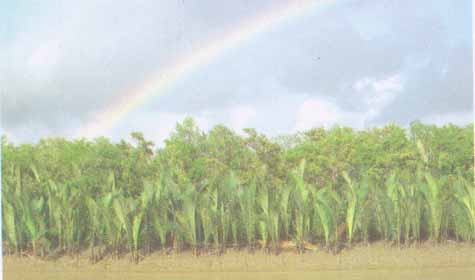 A terrain full of verdant trees, plants, herbs and foliage, the Sunderbans is one of the largest intact mangrove forests in the world declared a World Heritage Site by UNESCO in 1997. Thus globally, the Sundarbans is one of great importance. Home to a variety of species, the forest is unique in that many of its plants and animals are not found anywhere else in the world. Over many years land grabbers have harmed this rare ecosystem; and in this way transformation of the Sundarbans from jungles of great biodiversity to wet rice paddy fields occurred causing much damage to its resources.
Over 60 per cent of Sundari trees are dying in the Sundarbans mangrove forest with high salinity prevalent in Khulna and Jessore regions due to severe lack of sweet water flow from upstream points coupled with negative impact of the Farakka Barrage, a leading water expert said. Prof. Ainun Nishat, Country Director of IUCN, told BSS today that water is being withdrawn in the upstream of Farakka Barrage in the Uttar Pradesh, northern region and Bihar. He said lack of sufficient water not only hampers cultivation but also creates negative impact on fish resources in the rivers. Prof. Nishat said Sundari wood is more valuable than normal wood. Lack of sweet water contents in the Sundarbans mangrove forest kills Sundari trees, he said. He suggested that the country should ensure augmented flow of the Ganges river and this should be diverted to Khulna region.
Hydrologists told BSS that the water level fell by three feet at Hardinge Bridge point in December 2004. They said similar fall in the water level was also noticed at Gorai railway bridge point. The hydrologists of Bangladesh Water Development Board (BWDB) said Bangladesh received 145,000 cusec water at the Hardinge Bridge point on December 1, 2004. They referred to the field reports and said the country received 107,000 cusec water on December 18 which means that the volume of fall stands at 38,000 cusec further. The BSS roving correspondent observed that the water levels in the Padma and the Gorai are falling continuously. Many shoals (chars) have emerged on the waterways of the Padma between Paturia and Daulatdia ghat. Continuous dredging is underway to ensure navigability of the waterway. The fall of water level has caused disruption in the ferry service (The Bangladesh Observer, January 04, 2005).
Sustainable tourism centre at Sundarbans?
SPECIES MEDICAL USE Acanthus sp. The crushed fruit makes a good blood purifier as well as dressing for boils and snake bite Ammonia baccifera Entire plant is used as puragative Avicennia Sp. Seeds made into paste to relieve small pox ulceration. Resinous exude used for birth control purposes Bruguiera eriopelata Lotion from fruit used for eye. infections Fruit is chewed as betal nut. Young radical used as vegetable Caesaalpinia nuga Roots diuretic, used in the treatment of stone. Cerbera sp. Fruit when rubbed gives relief from pain of rheumatism. The sap has purgative property. Sap when externally applied against the poisonous effects of fish stings. Ceriops sp. Obstetric and haemorrhage cases are treated with an infusion of Ceriops bark. Ceriops tagal Roots used as substitute of quinine. Derris sp. Seed powder used for bronchitis and whooping cough. Ipomoea pes-carpas Leaves used for rheumatism and as an astringent Hibiscus tiliaceous Decoction from leaves useful as hair restorers, expectorants, and for treatment of obstinate causes of urine. Kandelia sp. Bark forms an ingredient in a mixture given for diabetics. Lumnitzera sp. Decoction relieves thirst in infants. Stem decotion used against itches. Rhizophora sp. An infusion of the bark of R. muraconta is given for haematuria. Stilt roots some times used as anchor. Root decoction used in blood pressure. Sonneratia sp. Fruit made into poultices for sprain and the fermented juice is used to check haemorrhage. Fruits are edible. T. quallica Galls and twigs used as astringent and for dysentery. Tamarix dioica Bark used as tonic for skin diseases Thespesia iampus Roots and fruits used for gonorrhoea and syphilis Thespesia sp. An ointment made from seeds kill lice. The leaves furnish a specific active principle for relieving earaches. Trianthema portulacastrum Entire plant used for heart disease and anaemia. Xylocarpus mekongensis Bark used for dysentery, diarrhoea and as febrifuge Tannin
Ceriops decandra , Bruguiera gymnorhiza, Bruguiera parviflora, Rhizophora musconata, Xylocarpus decandra are the valuable trees that produce tannin in the Sunderbans. Studies by the Forest Research Institute, Dhera Dun, India have shown that the spray-dried extract of a blend of ceriops, myrobalans and Acacia nilotica bark contain 65 percent tannin and the blend is suitable for the manufacturing of crust leather. The use of mangrove bark or extract in tanning is locally well -known. and is not commercially used.
The small leather industry of Indian-subcontinent developed Indian vegetable tanned crust over a hundred years ago to preserve the hide in the safest way to suit Indian conditions. The development of leather processing industry was started in Bangladesh in the late 1940s. Until mid 1960s, the leather was dominated by vegetable tanned products for supply to W. Pakistan, Iran and Turkey. Manufacture of wet blue, the chrome tanned semi-processed leather started featuring in 1965. There was a rapid growth of tanning industry in Bangladesh during 1970s and by the end of 70s. In 1999 Bangladesh exported leather and leather goods worth US $ 225 million. Now chrome-tanned processed leather is the shooting star of the export industry at the cost of serious environmental depletion with cancer producing substances.
There is a potential market for vegetable tanned leather products in the industrial countries. Development countries should not destroy their environment for export industry.
Since millions of years from the Himalayas to the dynamic coastal plain of Bengal was rich in panoramic vegetation and wild life. These tropical moist forests were botanically amongst the richest in the Indian sub-continent. The forests are most important as a repository of one of the world's richest of biodiversity
Sunderbans, the largest mangrove forests of the world, was once covered all along the coastal plain of Bangladesh. Had it been maintained, the Bay of Bengal would have turned into one of the largest fish grounds of the world, gained land one third to the present size of Bangladesh, and have protected millions of lives during cyclone storms. The problems of deforestation is mainly political and it can be solved, if poverty focused projects contain the attitude of "by the people and for the people" participation
1.Our Blue Planet: Extinction of Mangrove Forests
2. Polluted Leather Industry and slums of Bangladesh
3. Poultry feed churned out from tannery waste
4. Plunder of forest resources unabated in Rangamati
5. HILSA Tenualosa ilisha King of Fishes - Going to Extinct?
3. Neem Azadirachta indica The Wonder Plant
Sitala Puja - Caitra navaratras: goddess Sitala who is said to reside in the neem tree is propitiated ritually; Pat Gosain festival in Bengal means neem tree worship; neem leaves are eaten on Vaisakha sukla saptami.
"To the best of my knowledge, no plant material with greater activity against abroader spectrum of pest insect species, has yet been found." Dr Martin Jacobson of United States Dept. of Agriculture -Agricultural Research Center in Beltsiville, Madison, USA.
The Neem is being heralded as a tree for solving global problems by the U.S. Department of agricultural. Equivalent products to NeemHit are already registered in U.S.A. (since 1992) and numbers of European countries.
The tree has relieved so many different pains, fevers, infections, and other complaints that it has been called "the village pharmacy."
"Azad dhirakat " from the Persian means "Excellent Tree, Noble Tree" referring to the usefulness and the considerable economic importance of the genus. Locally named in Bangladesh as nim, in In dia as nimba, nimuri etc., Nepal as nim, Tibetan as nimpa, traditionally used to make medicine and pesticid1es. Prof. Heinrich Schmutterer, Department of Phytopathology and Entomology working since thirty years on Neem tree and termed, "Neem is the one of the most fascinated trees of the world". In Bangladesh villagers brush their teeth with the Neem branch.
The neem tree (Azadirachta indica) is a tropical evergreen related to mahogany. Native to east India and Burma, it grows in much of southeast Asia and west Africa. A few trees have recently been planted in the Caribbean and several Central American countries
The neem tree has such a variety of medical applications that it is sometimes referred to as the village pharmacy. Now modern research is proving what has been long known by Ayurvedic medicine practitioners: neem is one of the most effective plant medicines in the world. An extremely powerful blood purifying agent and detoxicant, neem is also effective in the treatment of fever, malaria, skin diseases, dental problems, diabetes, tumors, arthritis, and jaundice. It has gained particular attention from scientists seeking a cure for AIDS, not only for its antiviral properties, but also because it boosts the immune system on all levels without destroying beneficial bacteria, unlike synthetic antibiotics.
Azadirachtin being the key molecule, more concentration on Research & developments have been targeted on Azadirachtin only in India and abroad. However now it clearly known that besides Azadirachtin, salannin, gedunin, azadirone, nimbin, nimbidine, nimbicidine, nimbinol, etc.. are also important liminoids which play an excellent synergistic effects on Insects/Pests.
Tree is considered a good purifier of air, due to its large leaf area. Native of Burma but grown all over Indian Sub-Continnet. Oilcake, obtained from seeds, is used as a fertilizer and manure. Green twigs are used as tooth brushes for cleaning teeth, and as a prophylactic for mouth and teeth complaints. Parts of the plant are used medicinally and the leaves are placed in suit cases to repel insects and to preserve woollens. An extract of leaves is used in tooth pastes and soaps Seeds yield famous margosa oil of disagreeable garlic like flavour. Oil is said to be effective in treatment of leprosy and skin diseases. Also used as a cure for manage in dogs. Leaves in poultice are used for healing of wounds. Ripe fruits are edible. Due to its bitter taste and disagreeable odour, not removed by conventional methods, neem oil has not been utilised on an industrial scale
Oil obtained from neem seed has been found to be suitable for soap making and for hydrogenation. Seed oil is also used as antiseptic and for burning purposes. Stones from fruits are used as beads in rosaries and necklaces. Azadirachtin, a substance isolated from the tree, has been found to have insect repellent and insecticidal properties. Bark yields tannin. Gum exudate from the bark is used in medicines as a stimulant, and for dyeing silk. Bark is useful in fever, nausea, vomitting and skin disease. Bitter principles of neem oil are reported to have been obtained by extraction with alcohol
The main component of the oil is nimbidin which is very bitter. Nimbidin is used for making several pharmaceutical preparations including emulsions, liquors, ointments, medicinal cosmetics such as lotions, shampoos, creams, hair tonics and gargles. Timber is used for agricultural implements and furniture.
In addition to its numerous uses as a healing agent, neem has been receiving much attention for the ecological benefits it provides. For centuries Indians have been mixing neem leaves with stored grains to prevent insect infestation. But neem is not simply a natural alternative to pesticides; increasingly it is being used to reverse desertification and to reduce erosion and deforestation, making it an important weapon in the fight against global warming. Neem's many practical applications make it of enormous interest to anyone concerned about health and ecology. Included are recipes and practical tips that let you enjoy the many benefits of this miraculous plant.
Other Products
Neemaura is a environmentally friendly natural Neem bitterns ,non toxic and safe biodegradable urea coating agent containing Neem Triterpenes inhibit the growth of nitrifying bacteria resulting in delayed transformation of ammoniacal nitrogen into nitrite nitrogen. This ensures slow and continuous availability of nitrogen matching the requirements of crop plants during their life cycle and effectively retards the nitrification of urea. Neemaura coated urea mineralizes much slower than plain urea at least two to three times under soil conditions by controlling the multiplication process of soil borne bacteria like, Nitrosomanas and Nitrobacter which are responsible for nitrification. Neemaura formulation contains neem bitters and sulphurous compounds, which are mainly responsible for retarding the process of bacterial action and protects urea from leaching, volatilization and also protects crop from insect pest result in higher yields
Biogrow
Bio-Organic soil enricher made from complete biodegradble organic Neem cake which is manure for green earth. Neem cake is rich in sulphur compounds, in addition to its intrinsic N.P.K. value, it possess bitter terpenoids such as Epinimbin-A natural nitrification inhibitor. It is a rich source of plant nutrients, growth promoting substances, nitrogen fixers and phosphorous solubilisers which contribute to vigorous growth and high quality yield
Neemgard
The extracted powder from processed neem leaf, which is used in several herbal cosmetic preparations, medicated herbal tea. , Health, and hygiene products.Neemgard effectively controls various fungus and pests during storage of seeds. This is also used at nursery level for sowing of seeds and it controls seeds from attack of various fungus and viruses particularly nematodes.
NeemHit Petspray
NeemHit Petspray is a formulation containing neem kernel extract containing azadirachtin for prevention parasite attacks by scabies, eczema, and mange organisms in pets. The protective thin layerAzadirachtin coating is firmly attached to the animal's skin and fur and protect it in a totally natural way, from fleas, lice, ticks, mosquito, sandfly, species of midge etc and which also act as an antifeedant, deterring and repelling all young fleas and killing flea eggs or larvae. NeemHit petspray totally natural product for the skin, 100% ecologically safe, environmentally friendly with antibecterial, antifungal, antiviral properties, that has value-added benefits, like an active that arrests any inflammation caused by a prior bite, as well as help to improve the condition of the skin and hair.
Chemistry of Ingredients of Neem
Neem plants, as do all other plants, contain several thousands of chemical constituents.Of special interest are the terpenoids are known from different parts of the neem plant. Of its biological constituents the most active and well studied compound is Azadirachtin. However, in most traditional preparations of neem as pesticide or medicine a mixture of neem chemicals are present and provide the active principles. Several different kinds of azadirachtins (A to K) have been isolated, the most abundant of which is Azadirachtin – A. The neem terpenoids are present in all parts of the plant, in the living tissues. Recently, the site of synthesis and accumulation of the neem chemicals has been identified as secretory cells. Secretory cells are most abundant in the seed kernels. The secretory cells can be seen with iodine solution. Besides the terpenoids, neem also contains more than 20 sulphurous compounds responsible for the characteristic smell of crushed seeds and neem oil.
Toxicity
In toxicological studies carried out in the USA and Germany, different neem product were neither mutagenous nor cancerogenic, and they did not produce any skin irritations or organic alternations to mice and rates even at high concentrations. In another Canadian study, Neem was found to be harmless to Aquatic invertebrates and other non-target species
"To the best of my knowledge, no plant material with greater activity against abroader spectrum of pest insect species, has yet been found."
The use of Neem in Bangladesh has been dramatically reduced due to destruction of the trees and emergance of chemical industries. Most of Bangladesh was originally forested with coastal mangroves backed by swamp forests and a broad plain of tropical moist deciduous forest (IUCN, 1987). After deforestation the Asian Development Bank (The World Bank) funded aforestation programme selected exotic species from abroad like Eucalytus sp., Dalibergia Sisso, Leucaena leucocephla, Swiietnia macrophulla, and Leucocedha switternia. which grow faster than local natural tress depleting soil and environment. Unfortunately, Neem was not included in the list. About one hundred year ago Neem plant was imported to Africa, where other plants die because of locus/insects attacks but only Neem flourish with wide branches and leaves. I have seen in Sudan only Neem tree survived, whereas other trees perished. Neem tree can easily grow in sandy soils of coastal area of Bangladesh.
Leaf, bark, seed and all part of Neem tree contain useful substances that can be taken as tee, oil and prepared medicine remedy dust allergy, fever, skin diseases, rheumatism etc (Roemmming, 1999, Natur). Professor Heinz Rembold, of famous Max-Planck Institute of Biochemistry, Germany found any side effects of the use of Neem on human and soils do not contain any hazardous substance as a residue after being used as pesticides.
In ancient Sanskrit literature (1500 BC) Neem regarded as life saving and disease preventive plant. It belongs to the family Meliaceae.
Neem Seed
Neem has more than 60 valuable compounds. Over 2000 years that Neem based pesticides have been used in India, many complex processes were developed to make them available for specific use (CSE, India, 2000). Azadirachtin A is the most important biopesticide. There are four important components that make Neem seed the king of the bio-pesticide that prevent and kill more than 400 harmful insects, nematode, fungus, bacteria and virus:
- Azadirachtin
- Meliantriol
- Salannin
- Nimbin
When the insects eat treated plant, the Neem substances drastically influence the important aspect of the life cycle that prevent the insect further reproducing. A rapid interruption occurs in metabolism, growth and hormone system of the insect that the insects can further reproduce. Another effective advantage is that the insects do not develop resistance.
A neem plant gives about 20-30 kg of seeds. The crushed seeds in water can be used as a powerful pesticide. Since the method has to be repeated, a farmer requires two to three trees for his plants.
Other pesticidal activity includes of need include (1) The formation of chitin (exoskeleton) is also inhibited. (2) Mating as well as sexual communication is disrupted.(3) Larvae and adults of insects are repelled. (4) Adults are sterilised. (5) larvae and adults are poisoned
Neem Oil
Neem oil is an important export item from India Cold pressed oil obtained by traditional grinding method contains most of the useful and biological active ingredients. The oil contains Glyceriden, linol acid, limonoide etc. One kilogram dry seed produces about 100 ml oil. The oil constitutes antiseptic and many medical properties that can be use as ointment, furniture varnish, shampoo and cosmetic articles. The Neem oil has been successfully used by the scientists in the industrial countries to remove different plant diseases.Neem oil also displays numerous remarkably proven medicinal properties also stimulative and antiseptic effect when used for massage of the body. It antiseptic properties has been used to particular advantage in the manufacture of special medicated soaps and tooth pastes, in addition to pharmaceutical preparations like emulsions and ointments. Neem oil has been a important ingredient in soap manufacture and neem oil wood treatment for termite free application.
Neem leaf
That dry Neem leaves in rice, lentils keep away insects, fungicides is a traditional wisdom but this is not used any more. Many dangerous pesticides are used for the conservation of food products (Anwar, 1993). Neem Leaf extract shows an extraordinary reaction against dangerous fungus (Aspergillus flavus). It stops producing Aflatoxin (one of the most dangerous cancer producing substance).
Neem Bark
Neem bark also contains antiseptic properties. Branches are used as tooth brush in the villages. Scientific investigations in Europe have shown that toothpaste prepared from powdered Neem bark has high value for preventive and curative dental treatment. Neem tooth paste is alsobecoming popular in Europe.
Rediscover Traditional Wisdom
Neem is used for curing skin diseases, muscular pain, nail fungus and many uses that still imperfectly known (i.e. birth control). Unfortunately the use of Neem has decreased dramatically in Bangladesh. Firstly, it is regarded as primitive, socially poor and campaign of chemical industry replaced all traditional uses.
Mode of Action
Neem acts as a biopesticide at different levels and ways. This is very important since the farmer is used to the knock out effect of chemical pesticides. Neem does not exhibit this type of effect on pests but affects them in several other ways
Insect Growth Regulation
It is a very interesting property of neem products and unique in nature, since it works on juvenile hormone. The insect larva feeds when it grows, it sheds the old skin and again starts growing. This particular shedding of old skin is the phenomenon of ecdysis or moulting is governed by an enzyme ecdysone. When the neem components, especially Azadirachtin enter into the body of larvae, the activity of ecdysone is suppressed and the larva fails to moult, remains in the larval stage and ultimately dies. If the concentration of Azadirachtin is not sufficient, the larva manages to enter the pupal stage but dies at this stage and if the concentration is still less the adult emerging from the pupa is 100 % malformed, absolutely sterile without any capacity for reproduction.
Feeding Deterrent
The most important property of neem is feeding deterrence. When an insect larva sits on the leaf, the larva is hungry and it wants to feed on the leaf. This particular trigger of feeding is given through the maxillary glands give a trigger, peristalsis in the alimentary canal is speeded up, the larva feels hungry and its starts feeding on the surface of the leaf. When the leaf is treated with neem product, because of the presence of azadirachtin, salanin and melandriol there is an anti – peristalitic wave in the alimentary canal and this produces something similar to vomiting sensation in the insect. Because of this sensation the insect does not feed on the neem treated surface. Its ability to swallow is also blocked
AGROCHEMICALS : IMPORTED POLLUTANTS IN BANGLADESH
Oviposition Deterrent
Another way in which neem reduces pests is not by allowing the female to deposits eggs. This property is known as Oviposition deterrence, and comes in very handy when the seeds in storage are coated with neem Kernel powder and neem oil. The seeds or grains obtained from the market are already infested with some insects. Even these grains could be treated with neem seed kernel extract or neem oil; after this treatment the insects will not feed on them. There will be no further damage to the already damaged grains and at the same time when the female comes to the egg laying period of its life cycle, egg laying is prevented.
Salient features of Neem
Neem Biopesticide (Emulsifiable Concentrate) is well suited for an “ Integrated Pest Management” (IPM) Program because of the following salient features:
Neem Pesticide is a natural product, absolutely non toxic, 100% biodegradable and environment mentally friend. It is suited for mixing with other synthetic pesticide and in fact enhances their action. None or lesser quantity of synthetic pesticides need to be used, thereby reducing the environmental load. Several synthetic pesticides being single chemical compounds cause easy development of resistant species of pests. Neem consists of several compounds hence development of resistance is impossible. Neem does not destroy natural predators and parasites of pests thereby allowing these natural enemies to keep a check on the pest population. Neem also has systemic action and seedlings can absorb and accumulate the neem compounds to make the whole plant pest resistant. Neem has a broad spectrum of action active on more than 200 spices of pests. Neem is harmless to non target and beneficial organisms like pollinators, honey bees, mammals and other vertebrates. Lucien Biggeault, President, French Support Committee to GK writes:
During my last visit in February (2001), we attended the closing party of a training session on organic home gardening organised in Cox's Bazar by a dozen NGO's under the umbrella of Care. GK had four agriculturists and one agronomist attending this session. I have seen their display and training material and I was surprised to see how good it was on locally made pesticide from Neem leaves and others, protection of certain insects to fight other bad insects, use of home made compost etc....Research conducted by, among others, United States Department of Agriculture (USDA) has shown that Azadirachtin A offers protection against more than 130 insects, while it is partly active against more than 70 other insects. Since the potential value Neem-based pesticides was recognised, commercial interests have been increased. Suddenly there is spurt of patent applications from scientists and companies - predominantly from industrialised countries - on Neem related products and processes.
1. US Patent on Neem
2. Development-India: Southern States Takes on biopiracy
3. Tribe Accuses Biologists
4.Hoodia cactus: Western drug industry exploits developing countries
5. Kigelia Trees Kigelia Africana
Kigelia can cure skin cancer called Malignant Melanoma
6. Use of Ferroman Trap instead of harmful pesticide
7. Pelargonium reniforme Effective in Treating Bronchitis, a South African plant: The Rape of the Pelargoniums"Halud (turmeric) being ground by a turmeric-fair girl
To most Indians and Bengalis, turmeric or halud (Bengali)/ haldi (Hindi), is a part of growing up, a magic cure-all for the excesses of childhood. A classic "grand mother's remedy', the virulent yellow powder or paste has been applied to scrapes and cuts of generations of children (A. Agarwal and S. Narain,1996). In Bangladesh marriage ceremony is unthinkable without the rubbing of turmeric paste. Halud (Turmeric) is a classical beautiful word in traditional Bengali literature:
The yellow plate begins to smile passion with colours.." (by Jasim Uddin))
Haldi Marriage Ceremony
Wedding: Biyah Shajoni Shajo
My marriage
Fara Halud
Haldi Ceremony Bidhir Badhon Katbe Tumi (Tagore song)
Haldi
Abhishek's Haldi
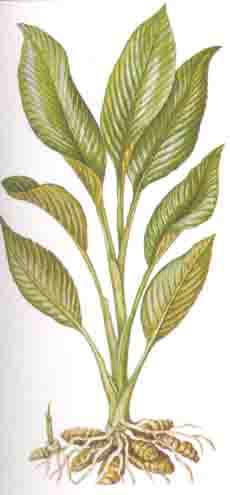
Haldi (turmeric) is not only the most important spice in Curry, it also known sine hundreds of years to have many medical uses. Haldi has been used as a wound healing agent can be found in 200-year-old Ayurvedic scripture. These traditional knowledge systems are communicated by word of mouth. Now the western scientists have 'discovered' our traditional bio-resource as a part of profit, as they intend to trade. The faces of brides are painted with Turmeric as a decorative to make them more glowing .
A long and storied history for this ginger-looking, brown-on-the-outside, bright-orange-on-the-inside rhizome. It was listed as a coloring agent in an Assyrian herbal dating back to 600 BCE. It was used in sacrificial and religious rites in ancient India and China--and is used likewise to this day. In 1280, Marco Polo mentioned in his journals that he saw tumeric growing in the Fukien region of China, "...a vegetable that has all the properties of true saffron, as well the smell as the color, and yet it is not really saffron." Throughout medieval times, it was known in Europe as "Indian saffron" because of its coloring power, which, incidentally, is terrific. It's the yellow that puts the yellow in ballpark mustard--not to mention in curry
Curcumin, in tumeric, is an anti-inflammatory component that is helpful for arthritis. It not only helps with rheumatoid arthritis but it improves morning stiffness, the ability to walk for long intervals and is beneficial in diminishing joint swelling. Tumeric has antibacterial making it ideal for healing wounds. In cases of acne Turmeric can be made into a poultice and applied to the affected area or taken internally As an anti-fungal, it can be used for Athlete's Foot by making a paste. When combined with Ginger, it can be used for ringworm Liver protection is another of its marvelous qualities. Tumeric stimulates the flow of bile, lessening the possibility of gallstones. If one is exposed to environmental toxins (and who isn't), Turmeric will help break down the harmful substances. Chemotherapy patients and those consuming alcohol benefit from this wonderful herb. It has also been used to clear up diarrhea/dysentery. People suffering from Hepatitis C also rely on Turmeric for its beneficial effects on the liver. Anti-cancer activity, as shown in Rutgers University, research demonstrates it is the curcumin in Turmeric that helps prevent tumor development in their animal studies. Similar studies advocate Tumeric for limiting growth of already formed tumors and may have the potential to deter other cancers such as breast, skin, stomach and colon. Turmeric has found to be antioxidant, antibacterial, anticoagulant, antifungal, anti-inflammatory and antiviral. While there are very few contraindications, too much of anything is not a good thing. The use of haldi (turmeric) comprises
- Increase immune system
- Treating musculo-skeletal disease
- Wound healing
- Dye
- Detect and warn cyanide adulterated food products
- Liquid seasoning compositions
- Metal colour complexes
- Tinted pit and fissure sealant
- Colouring process and composition for food and beverages
- Process for producing water and oil as a colouring agent
- Conservation food (fish, meat, cooked food);
- Improve intestinal haemorrhage, bowel function, stops irritating substances, reduces fatty compounds and perhaps stops cancer etc
Turmeric is a popular spice for cooking, but it has a long history of medicinal uses, too. It is one of the most researched natural remedies available and there are numerous studies validating its healing properties. Turmeric provides a wide variety of benefits, but there are seven standouts. Once you know about these seven benefits you’ll be eager to add the spice to your diet. Turmeric health benefits Antioxidant
The active ingredient in turmeric is curcumin, which is known as a powerful antioxidant. This means it targets dangerous free radicals in the body and reduces the damage they are able to cause DNA and cells. When cells are healthy the body is healthy, which means turmeric offers general wellness benefits, as well as targeting specific health problems.Anti-Inflammatory
Curcumin also has anti-inflammatory qualities. This makes it effective for fighting heart disease, osteoarthritis pain, and other health problems related to inflammation (researchers believe there are many links between inflammation and chronic illness). Curcumin is believed to reduce certain enzymes in the body known to trigger inflammation.Heart Health
Turmeric reduces the risk of blood clots and prevents the build up of plaque in the arteries, which helps in the battle against stroke and other clot-related problems. There are also studies showing turmeric is beneficial for reducing bad cholesterol and improving good cholesterol, both of which play a role in a person’s heart health. Slows the Progression of Alzheimer’s Researchers studying the effects of curcumin in relation to Alzheimer’s cite the health of those living in regions that consume turmeric in high quantities. People in India aged 70 and older have a much lower rate of Alzheimer’s disease than those in the same age group in the United States. Many believe this difference is due to the high intake of Indian curries, which are made with turmeric. Further research points to turmeric’s ability to remove amyloyd plaque buildup in the brain, which is believed to put people at risk for developing the Alzheimer’s.Natural Painkiller
An article in the July 2009 issue of Time magazine points to a study conducted at the University of Arizona. Researchers found rodents injected with a material known to cause joint pain suffered less when the injections were paired with curcumin. The article also cites anecdotal evidence singing the praises of turmeric for fighting a variety of pain that would otherwise be treated with over-the-counter pain medication. Skin Health Turmeric’s anti-inflammatory benefits can be beneficial when applied topically, too. It is considered an effective treatment for psoriasis and other skin disorders, and it is a natural antiseptic and can be used to treat burns and cuts.Cancer Fighter
The jury is still out on just how effective turmeric is for fighting cancer. Some health experts point to its anti-inflammatory benefits and draw conclusions based on the link between inflammation and the development of cancer. Free radicals and cell damage are believed to be linked to cancer, too, so if turmeric is able to work as an antioxidant it has a secondary anti-cancer effect. According to well-known holistic health practitioner, Dr. Andrew Weil, turmeric reduces the carcinogenic compound that form when meat is fried, grilled, or boiled by up to 40%. Dr. Weil also believes turmeric is effective for fighting melanoma and in halting the spread of breast cancer.Now about 12 patents have been registered in the USA Although turmeric has long been used in India as a traditional medicine for treatment of various sprains and inflammatory conditions (Indian Journal of Medical Research, 1982). A lack of regulations is allowing foreign scientists to claim exclusive ownership of traditional medicine that we have used for centuries.
References:
1. Ramirez-Boscá A, Soler A, Gutierrez MAC, et at. Antioxidant curcuma extracts decrease the blood lipid peroxide levels of human subjects. Age 1995;18:167–69.
2. Arora RB, Basu N, Kapoor V, Jain AP. Anti-inflammatory studies on Curcuma longa (turmeric). Ind J Med Res 1971;59:1289–95.
3. Kiso Y, Suzuki Y, Watanbe N, et al. Antihepatotoxic principles of Curcuma longa rhizomes. Planta Med 1983;49:185–87.
4. Barthelemy S, Vergnes L, Moynier M, et al. Curcumin and curcumin derivatives inhibit Tat-mediated transactivation of type 1 human immunodeficiency virus long terminal repeat. Res Virol 1998;149:43–52. 5. Thamlikitkul V, Bunyapraphathara N, Dechatiwongse T, et al. Randomized double-blind study of Curcuma domestica Val for dyspepsia. J Med Assoc Thai 1989;72:613–20.
6. Srivastava KC, Bordia A, Verma SK. Curcumin, a major component of food spice tumeric (Curcuma longa) inhibits aggregation and alters eicosanoid metabolism in human blood platelets. Prost Leuk Essen Fat Acids.Hair Revitalizer: The stimulating effect and the presence of certain fatty acids such as oleic acid and linoleic acid, when combined together, make mustard essential oil an efficient hair revitalizer. Its stimulating effects increase blood circulation in the scalp while the fatty acids nourish the hair roots. It has been repeatedly shown that prolonged use of this oil on the hair may give it a brown tint, but it strengthens it and effectively prevents hair loss.
4.1.Western countries plundering the Third World’s genetic resources
STEALING SPECIES
The development of effective cures and preventives against life threatening diseases has been predominant concern of medical researches and scientists. These have been always done in the name of public interest or for the sake of humanity. In the past a successful new drug would invariably bring in profits and recognition for those who were behind it, but their motivation was to serve the people and not personal enrichment. This has changed during recent times and the emphasis is now on profits,
It is now common to see that many of the new discoveries becoming the private properties of individuals and firms with the help of intellectual property laws that grant patents over them. This is not confined to new drugs and their manufacturing processes, but has extended to therapeutic methods and even disease-causing (pathogenic) organisms. These have brought about a large number of hitherto unknown and unimagined problems, stifled a lot of research, delayed critically important research, increased the prices of drugs and diagnostic kits. The end result is that thousands of people have been denied the opportunity to live a healthy life.
The bitter gourd is found in many Asian countries where it is used both as a vegetable and as a medicine. In Sri Lanka, it is used to treat skin ailments and diabetes. It has been used in China since ancient times to treat infections and tumours. They have been eating the ripe fruit with the seeds to treat these illnesses. The effectiveness of these ancient medicinal plants in treating virus diseases had been subjected to a lot of research by Chinese scientists. Among them has been Lee-Huang, who subsequently went to the USA and then started patenting the work she was involved in when a China. Lee-Huang herself had admitted in an interview to Bio-world Today (Age old folk remedies resurface as recombinant anti-HIV, anti-tumour therapeutics by Davil N. Leff 23.10.1996) that bitter melon had been widely eaten in China and had been used in China and South-East Asia for centuries as an anti-infection and anti-tumour agent. Therefore, these patents that cover the MAP-30 protein are another example of biopiracy and the victims are China and the other Asian countries.
Western countries are plundering the Third World’s genetic resources (Biodiversity Conservation: The Threat to Ecological Conservation from Commercial Interests, Vandana Shiva, (Third World Network) 1990):
- Wild species of plants and animals (many of which come from the Third World) contributed $340 million per year to the US between 1976 and 1980. The total contribution of wild species to the US economy has been estimated at $66 billion – more than the total international debt of Mexico and the Philippines combined.
- A wild tomato variety taken from Peru in 1962 has contributed $8 million a year to the US tomato-processing industry. None of these profits or benefits have been shared with Peru
- The periwinkle plant from Madagascar is the source of 60 alkaloids which can treat childhood leukemia and Hodgkin’s Disease. Drugs derived from this plant bring the US $160 million a year. And another plant, Rauwolfa Serpentina, from India is the base for drugs which sell for up to $260 million a year in the US alone.
- The value of the South’s genetic material for the pharmaceutical industry ranges from an estimated $4.7 billion now to $47 billion by the year 2000.
The Mustard Oil Conspiracy
Mustard is a standard condiment that has been in use for thousands of years. The first recorded use was by the Romans (Columella, De Re Rustica. XII 57). Its use in the Middle Ages is clearly indicated by the number of times it is referred to in period cookbooks.
With its high proportion of heart-friendly Omega 3 Fatty acids, Mustard oil is the healthiest choice for the heart.
It has Vitamin E, Calcium, Pytins, Penolics and natural anti-oxidants. Mustard oil contains high amount of mono-unsaturated fatty acids and a good ratio of polyunsaturated fatty acids, which is good for heart. It also contains the least amount of saturated fatty acids, making it safe for heart patients. Prevents skin diseases and keeps skin glowing. It is known to boost resistance against diseases. It keeps hair black where applied to the hair. It provides anti oxidants to the body and delays ageing. It is a natural food preservative that’s used for making pickles which do not turn bad for as long as 5 years. WARNING NOT TO EAT MUSTARD OIL OR MUSTARD SEED OIL FROM INDIA BECAUSE OF POSSIBLE ADULTERATION
OTTAWA, September 4, 1998 - The Canadian Food Inspection Agency (CFIA) is warning consumers not to consume any mustard oil or mustard seed oil from India or food products containing these oils (e.g. "India style pickles"). These products may have been adulterated with argemone oil, a toxic oil which can cause severe illness or death when consumed. Also, Health Canada recommends that mustard seed oil or mustard oil from India not be applied to the body. Mustard seed oil or mustard oil, from any source, is not suitable for human consumption. This includes using it as a cooking oil. Under Canadian food guidelines, all mustard seed/mustard oils must be clearly labelled with "not suitable for food use" or a similar warning.
The CFIA is requesting the Canadian industry to recall from the marketplace all mustard seed/mustard oils intended for food use, i.e. those products that are not clearly labelled as unsuitable for food use.
The CFIA has received no reports of illnesses associated with these products in Canada. There have been a number of deaths associated with consumption of adulterated mustard seed oil or mustard oil in India. Consumers are advised to destroy any mustard seed oil or mustard oil from India in their possession.Mustard oil, whose production and consumption were until recently integral to India's way of life, has been banned, so as to provide a market for Monsanto's soya oil.
On 27 August 1998, the government of India banned the sale of mustard oil. On 4 September it went further and banned the sale of all unpackaged edible oils. The decision was a terrible blow to the Indian population. In many states, mustard oil is an essential constituent of the diet. It has a high oil content, is usually processed locally, and is available to the poor at low cost, especially when unpackaged. One can go so far as to say that it is an integral part of India's food economy, having been integrated into cropping and food patterns over centuries.
Sarson', as mustard oil is called in India, is not only an edible oil. It is an important medicine in the indigenous, Ayurvedic system of health care. It is used for therapeutic massages. Oil mixed with garlic and turmeric is used to alleviate symptoms of rheumatism, and muscular and joint pains. It is also used as a mosquito repellant, a significant contribution in a region where the resurgence of malaria is responsible for thousands of deaths.
In other words, mustard oil is central to Indian culture. It is the symbol of spring and renewal. The yellow of the mustard flower is the colour of spring. Songs on the theme of `Sarson' are an integral part of folk culture. Makki ki roti and Sarson ka Saag (corn bread with vegetables and mustard leaves) is the best known food linked to Punjab culture and identity. Mustard oil is the olive oil of Bihar, Bengal, Orissa and East Uttar Pradesh. For Bengalis, Hilsa fish fried in mustard oil is the ultimate delight, and North Indians like their pakoras fried in it because of the unique taste and aroma. In the South, mustard seeds are the preferred seasoning for vegetables, rice curd, and so on.
There had been cases of mustard oil adulteration in the past, but nothing on this scale. Argemone had been found as a contaminant before, but never in more than 0.1 per cent of the available mustard oil on the market. In this case 10-30 per cent of the oil had been adulterated. The use of diesel and waste oil was also something new. Indeed, it looked very much as if someone had set out deliberately to adulterate the oil. In any case, this was the view of the Health Minister, who stated that the tragedy could only have been the product of a conspiracy. There was no other way to explain why the contamination was so extensive. (Ecologist, The, June, 2001 by Vandana Shiva)
Mustard Might Be a Cancer-Inhibitor
Historically, mustard has always held an important place in medicine. The ancient Greeks believed it had been created by Asclepious, the god of healing, as a gift to mankind. Although the volatile oil of mustard is a powerful irritant capable of blistering skin, in dilution as a liniment or poultice it soothes, creating a warm sensation. Mustard plasters are still used today as counter-irritants. Over the years mustard has been prescribed for scorpion stings and snake bites, epilepsy, toothache, bruises, stiff neck, rheumatism, colic and respiratory troubles. It is a strong emetic (used to induce vomiting) and rubefacient (an irritant) that draws the blood to the surface of the skin to warm and comfort stiff muscles. It is useful in bath water or as a foot bath, as “It helpeth the Sciatica, or ache in the hip or huckle bone” .(Gerard, 1579).
Mustard, used since ancient times as a medicine, is one of the foods currently being examined by researchers for possible anticarcinogenic properties. There’s not enough to go on to conclude that downing sandwiches with gobs of mustard would help ward off cancer. But table mustard, as well as mustard greens, are looking good in ongoing research on cancer inhibitors. The Dec. 10, 1996 issue of The Journal of College Science Teaching explained:
“Brassicaceae, the mustard family of plants, contain large amounts of glucosinolates, which have anticarcinogenic qualities. Various nutritionally relevant cruciferous species contain 20 different glucosinolates. Black mustard, used for producing table-mustard, contains isothiocyanates and thiocyanates. These compounds give flavor to dishes and are antibacterial, antifungal and anticarcinogenic....Mustard seeds are rich in glucosinolates.” Dry and prepared mustard are made from the seeds of the mustard plant.An article in the Sept. 1, 2002 edition of Nutrition Today said of glucosinolates:
“They are metabolized in the body to isothiocyanates and are, in part, responsible for the sharp taste of mustard seeds, horseradish, wasabi, and the Brassica vegetables. Certain of these compounds have, in the past two decades, been determined to have many positive health effects, including carcinogen detoxification and antioxidant properties. They are now being explored for their potential as components in a dietary cancer prevention strategy.” Reporting on research being conducted by the zoology department of Rajasthan University in India, the Hindustan Times said on Dec. 18, 2003:
“Initial findings of an ongoing research on extracts of basil..., mint..., aloe vera...and mustard suggest that these have come up with cancer-preventive properties.” In fact, “[a] host of recent studies,” the Sept. 23, 2000 issue of Science News said, “has shown that brassicas—which include broccoli, cauliflower, brussels sprouts, and mustard—possess cancer-fighting compounds.”
Research has also centered on turmeric, used in most prepared mustards to add yellow coloring. Specifically, it’s curcumin, the constituent of turmeric that provides the pigment, that scientists believe is anticarginogenic. According to the Aug. 31, 2001 issue of the Journal of Nutrition:
“A wide range of biological and pharmacological activities of curcumin has been investigated. Curcumin is a potent inhibitor of mutagenesis and chemically induced carcinogenesis. It possesses many therapeutic properties including anti-inflammatory and anticancer activities. Curcumin is currently attracting strong attention due to its antioxidant potential as well as its relatively low toxicity to rodents.”Mustard oil protects hearts
A new study says that mustard oil is the best bet for Indians as it contributes to a lower risk for heart attack - almost half - in comparison to use of other oils. The study also found a link between vegetables, especially green leafy ones and reduced risk for the heart diseases. The study was conducted among 350 cases of heart attack in eight hospitals and 700 normal people in Delhi and Bangalore by a team comprising experts from Harvard School of Public Health, Boston, All India Institute of medical Sciences, and St John’s Medical College, Bangalore, said. The paper has been published in the ‘American Journal of Clinical Nutrition.’
Heart attack patients had significantly lower intake of green leafy vegetables and mustard oil and participated in less exercise than normal people. Thus, diets including mustard oil and vegetables could contribute to a lower risk of heart diseases among Indians, the scientists said. “Use of mustard oil was associated with a two-fold lower risk than was use of sunflower or other oils,” Dr K Srinath Reddy from AIIMS, one of the scientists involved in the study, told PTI.
The reason for the protective effect of mustard oil is that it is rich in alpha linolenic acid which is a source of omega-3 polyunsaturated fatty acids, known for giving protection to heart, Reddy said. Fish is the main source of omega-3 fatty acids but in populations which are low consumers of fish, mustard oil becomes an important source(Decan Herald, June 21, 2004).India Robbed Again
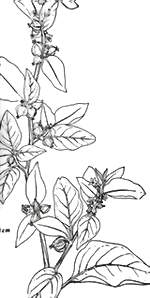 First it was the neem tree, then turmeric, now another Indian medicinal plant is the target of foreign patents. Ashwagandha (Withania somnifera])has been used for thousands of years in the Ayurvedic system as an aphrodisiac, diuretic and for restoring memory loss.
Officials at the Department of Science and Technology (DST) said "one thing which is very obvious is that Ashwagandaha is catching the attention of scientists, and more and more patents are being filed and granted on it by different patent offices around the world. Seven American and four Japanese companies have filed or have been granted patents on Ashwagandha (Source:Diverse Women for Diversity,Norfolk Genetic Information Network PTI 15 May, 2001).
Ashvagandha Withaia Somnifera grows in drier region of India and is also cultivated. A small or middle-sized undersurb, up to 1.5 m high, stern and branches covered with minute star-shaped hairs.
Drug and Properties
The drug consists of the dried roots of the plant. The antibiotic and antibacterial activity of the roots as as wells as leaves have recently been shown experimentally (Jain, 2001):
Useful in consumption, sexual, general weakness and rheumatism; Diuertic i. e. it promotes urination, acts as a narcotic and removes functional obstruction of body; The root poweder is applied locally on ulcers and inflammations. South Africa's Floral Heritage Sold Off
South Africa’s National Botanical Institute (NBI) has sold the rights to develop new strains from national flora to US based company, Ball Horticultural. The unnamed government official who blew the whistle on the deal, which was signed two years ago, said "this effectively hands over South Africa’s floral heritage to a US company in exchange for a pittance in royalties".
Battle for Basmati Rice
Basmati is a variety of rice from the Punjab provinces of India and Pakistan. The rice is a slender, aromatic long grain variety that originated in this region and is a major export crop for both countries. Annual basmati exports are worth about $300m, and represent the livelihood of thousands of farmers.
The “Battle for Basmati” started in 1997 when US Rice breeding firm RiceTec Inc. was awarded a patent (US5663484) relating to plants and seeds, seeking a monopoly over various rice lines including some having characteristics similar to Basmati lines. Concerned about the potential effect on exports, India requested a re-examination of this patent in 2000. The patentee in response to this request withdrew a number of claims including those covering basmati type lines. Further claims were also withdrawn following concerns raised by the USPTO. The dispute has however moved on from the patent to the misuse of the name “Basmati.”
In some countries the term “Basmati” can be applied only to the long grain aromatic rice grown in India and Pakistan. RiceTec also applied for registration of the trademark ‘Texmati’ in the UK claiming that “Basmati” was a generic term. It was successfully opposed, and the UK has established a code of practice for marketing rice. Saudi Arabia (the world’s largest importer of Basmati rice) has similar regulations on the labelling of Basmati rice.
The code states that “the belief in consumer, trade and scientific circles [is] that the distinctiveness of authentic Basmati rice can only be obtained from the northern regions of India and Pakistan due to the unique and complex combination of environment, soil, climate, agricultural practices and the genetics of the Basmati varieties.”
But in 1998 the US Rice Federation submitted that the term “Basmati” is generic and refers to a type of aromatic rice. In response, a collective of US and Indian civil society organizations filed a petition seeking to prevent US-grown rice from being advertised with the word “Basmati”. The US Department of Agriculture and the US Federal Trade Commission rejected it in May 2001. Neither considered the labeling of rice as ‘American-grown Basmati’ misleading, and deemed ”Basmati” a generic term.
The problem is not just limited to the US; Australia, Egypt, Thailand and France also grow basmati type rice and may take the lead from the US and officially deem “basmati” a generic term.The name "Basmati" (and the Indian and Pakistani export markets) can be protected by registering it as a Geographical Indication. However, India and Pakistan will have to explain why they did not take action against the gradual adoption of generic status of basmati over the last 20 years. For example, India did not lodge a formal protest when the US Federal Trade Commission formally declared “basmati” generic.
Bitter gourd Karela
The bitter gourd is a common vegetable cultivated extensively all over Indian Subcontinnent. It is 10 to 20 cm. long, tapering at the ends and covered with blunt tubercles. The seeds are white in raw fruits and become red when they are ripe. There are two varieties of this vegetable. The large kind is long, oblong and pale green in color. The other kind is small, little oval and dark green. Both the types are bitter in taste. They turn reddish-orange when ripe.The original home of bitter gourd is not known except that it is a native of the tropics. It is widely grown in India, Indonesia, Sri Lanka, Malaysia, the Philippines, China and the Caribbean.
Natural Benefits and Curative Properties
The bitter gourd has excellent medicinal virtues. It is antidotal, antipyretic tonic, appetizing, stomachic, antibilious and laxative.' The bitter gourd is also used in native medicines of Asia and Africa.
Karela (bitter gourd) Subji - Vegetable Curry
Diabetes:
The bitter gourd is specifically used as a folk medicine for diabetes. Recent researches by a team of British doctors have established that it contains a hypoglycaemic or insulin-like principle, designated as 'plant-insulin', which has been found highly beneficial in lowering the blood and urine sugar levels. It should, therefore, be included liberally in the diet of the diabetic. For better results, the diabetic should take the juice of about four or five fruits every morning on an empty stomach. The seeds of bitter gourd can be added to food in the powdered form. Diabetics can also use bitter gourd in the form of decoction by boiling the pieces in water or in the form of dry powder.
A majority of diabetics usually suffer from malnutrition as they are usually under-nourished. Bitter gourd being rich in all the essential vitamins and minerals, especially vitamin A, B1, B2, C and Iron, its regular use prevents many complications such as hypertension, eye complications, neuritis and defective metabolism of carbohydrates. It increases body's resistance against infection.
Blood Disorders
Bitter gourd is highly beneficial in the treatment of blood disorders like blood boils, scabies, itching, psoriasis, ring-worm and other fungal diseases. A cupful of fresh juice of bitter gourd mixed with a teaspoonful of lime juice should be taken, sip by sip, on empty stomach daily for four to six months in these conditions. Its regular use in endemic regions of leprosy acts as a preventive medicine.
Respiratory Disorders
Bitter gourd plant roots are used in folk medicine for respiratory disorders from ancient times. A teaspoonful of the root paste mixed with equal amount of honey or Tulsi leaf juice, given once every night for a month acts as an excellent medicine for asthma, bronchitis, Pharyngitis, colds and Rhinitis.
Alcoholism
Leaf juice is beneficial in the treatment of alcoholism. It is an antidote for alcohol intoxication. It is also useful in liver dam age due to alcoholism.
It is now karela, jamun & brinjal: Biopiracy of rich Indian herbal wealth
Earlier R Basmati rice had been patented by Rice Tec Inc of USA. Now karela (bitter gourd), jamun (blackberry), gurmar, and brinjal have been patented by a MNC in the USA. The Supreme Court has issued notice to the Union Agriculture Ministry as the petitioner, Research Foundation for Science, Technology and Ecology (RFSTE), charged the Centre with failure to protect the country’s biodiversity despite giving an assurance.
RFSTE counsel Sanjay Parikh said Attorney-General Soli Sorabjee had informed in 1998 about action taken by the government in protecting the biodiversity by bringing biodiversity legislation. As far as basmati rice was concerned, Sorabjee had said the government had already taken steps to challenge the grant of patent, but there has been no follow-up after that. Biopiracy is an epidemic. Earlier, neem, haldi, pepper, harad, bahera, amla, mustard, Basmati, ginger, castor, jaramla, amaltas, isabgol, and now karela and jamun have been patented under the USIPR system.
A patent number US6,900.240 was granted recently to Cromak Research Inc based in New Jersey, on edible herbal compositions for anti-diabetic properties. It comprised mixtures of at least two Indian herbs selected from a group consisting of ‘syzygium jambolanum cumini’, popularly known as jamun, ‘momordica charantia’ (bitter gourd or karela); ‘solanum melongena’ (brinjal or egg plant’ and ‘gymaema sylvestre’ (gurmar) as anti-diabetes agents for their proposed use in reducing sugar.
Patents had been granted on May 4 last in the USA on edible herbal composition comprising mixtures of herbs selected from the group consisting of jamun, gurmar, karela and brinjal useful as two hypolycemic agents. The investors include two non-resident Indians Onkar S. Tomar and Kirpanath Borah along with their American colleague Peter Glomski. The patenting of these anti-diabetic plants has again highlighted the problem of biopiracy of rich Indian herbal wealth.
A patent issued in the USA does not affect us dramatically, says the Director-General of the Council of Scientific and Industrial Research (CSIR), Dr R.A. Mashelkar. “It does not mean that one cannot use similar mixture in India for anti-diabetic treatment. Yes, it may affect the possibility of our exporting such a mixture to the USA”, says Mashelkar. India should be more active in filing the patents. “Since 1994 when the TRIPS came into force, the US in the last four years has granted upto 1,890 patents. Most of these have been from China. India’s contribution has been meagre,” says Mashelkar.
Jamun belongs to the guava family. It originated in India and is now naturalised throughout the Far East countries. It is a fruit tree of considerable economic value, says K.V. Peter, Director, Indian Institute of Spice Research, Kozhikode. Extracts of stems, leaves, buds and flowers possess moderate antibiotic activity against micrococcus pyogenous, aureus, according to “Wealth of India”, a CSIR publication. Experiments conducted at the Central Drug Research Institute, Lucknow, show that oral administration of dried alcoholic extracts of seeds to diabetic patients reduces the blood sugar level.
The government is yet to take a decision on contesting patents obtained by the US firm for kerala, jamun, brinjal and gurmur, because it is still examining and analysing the whole issue. While the fruit, leaves and roots of bitter gourd have long been used in India as a folk remedy for diabetes mellitus, the leaves of gurmar are useful in the management of maturity onset diabetes. It is an important ingredient in Ayurvedic formulation for diabetes. Their use in the treatment of diabetes is documented in the authoritative treatises such as “Wealth of India”, “Compendium of Indian Medicinal Plants” and the “Treatise on Indian Medicinal Plants”. The patent document has not mentioned the above findings under the ‘prior art’ states the Intellectual Property Rights (IPR) bulletin published by Technology Information Forecasting and Assessment Council (TIFAC).
With 70 per cent of the country’s population depending on non-allopathic medicines, the potential of traditional medication is large. This increases the importance of ensuring that the traditional knowledge base of the country is protected and that the multinational companies are not allowed to patent traditional medicines says the former Controller-General, Patent, Designs and Trademarks, Mr K.V. Swaminathan.
The problem of biopiracy is a result of Western style of IPR systems, and not the absence of such IPR systems in India. Therefore the implementation of Trade Related Intellectual Property Rights (TRIPS) Agreement which is based on the US style patent regime must immediately be stopped. The promotion of piracy is not an aberration in the US patent law. It is intrinsic to it. Article 102 of the US Patent Law, which defines ‘prior art’, does not recognise technologies and methods in use in other countries as ‘prior art’. If knowledge is new for the US, it is novel, even if it is part of an ancient tradition of other cultures of countries.1. US Patent on Neem
2. Development-India: Southern States Takes on biopiracy
3. Tribe Accuses Biologists
4.Hoodia cactus: Western drug industry exploits developing countries
5. Pelargonium reniforme Effective in Treating Bronchitis, a South African plant: The Rape of the PelargoniumsPatents Bill: Protecting Indigenous Knowledge (IK) but not enough to provide for the protection of IK
The Patents Amendment Bill is the third in the series of amendments that were undertaken to make the Patent Act 1970 conform to India’s full obligations under TRIPS by 2005. The patent bill makes a number of changes, such as removing exclusions of food and medicines from being patentable, introduction of representation as a mechanism for opposition and compulsory licensing.
The import of the changes that have been sought to be made to the Patent Act through the bill should be seen in the context of the overt recognition given by the state to the importance of protecting indigenous knowledge (IK). The state has finally woken up to the realisation that only through extending legal recognition to IK (Substantially under the Biological Diversity Act 2002) it can be protected from usurpation and unfair exploitation. Legal recognition of IK (at least in principle) entails its identification as a separate knowledge system, the recognition that it is intimately weaved into the livelihood and culture of indigenous communities, and understanding its dialectical relationship with the surrounding biodiversity.
Though the Patent Bill has seemingly provided for the protection of IK (by putting into place mechanisms for the tracing of IK inputs in an ‘invention’), it leaves open several loopholes through which biopiracy and usurpation of IK could be easily practised. Hence it is just not enough to provide for the protection of IK by introducing a single clause prohibiting patents derived from IK. It is imperative to realise that only by way of a holistic integration of the two objectives of protection of IK and granting patent rights, could there be a realisation of the primary objective of IK protection in real terms.
The Patents Amendment Bill does not go far enough to develop a holistic framework for the protection of indigenous knowledge. It thus leaves several loopholes through which biopiracy and usurpation of indigenous knowledge can easily take place. A more synergistic relationship between the patent authority and the National Biodiversity Authority, and a more transparent and inclusive decision-making process, will help remove some of the shortcomings in the bill.
The mere inclusion of such a general clause is not sufficient to protect larger social objectives and goals, especially that of protection of indigenous knowledge. This could be done in two steps.
Firstly, it should be expressly stated that the violation of any listed principles should be a ground for revocation or compulsory licensing. This would make the provision enforceable and thus inherently enabling.
Secondly, the phrase ‘public health’ should be extended to include the right to access biological resources and health remedies sourced from therein. And therefore if the grant of a patent right over certain resources (micro-organisms being patentable) circumscribes this right of local or indigenous communities, it should be interpreted to mean violation of public health needs (N. Choudhury, EPW, November 20, 2004).Plant Genetic Resources for Food and Agriculture
After prolonged negotiations the Treaty on Plant Genetic Resources for Food and Agriculture (IPGR) came into being in November, 2001.
For the purposes of the treaty, the term ‘plant genetic resources’ (PGR) shall mean any genetic material of plant origin of actual or potential value for food and agriculture. ‘Genetic material’ under the Treaty means any material of plant origin, including reproductive and vegetative propagating material, containing functional units of heredity. The IPGR was approved during the FAO Conference (31st Session, resolution 3/2001) in November 2001, with 116 votes and 2 abstentions (USA and Japan).The Treaty has two main objectives (Article 1 of the Treaty):
conservation and sustainable use of plant genetic resources for food and agriculture fair and equitable sharing of the benefits arising out of their use for sustainable agriculture and food security. After prolonged negotiations the Treaty on Plant Genetic Resources for Food and Agriculture (IPGR) came into being in November, 2001. The present version of the Treaty has deviated from the International Undertaking on Plant Genetic Resources for Food and Agriculture agreed in 1981 that relied on the principle of genetic resources being common heritage of humanity. Instead, relying on the Convention on Biological Diversity (CBD) the IPGR has brought genetic resources under the jurisdiction of national governments.
According to many, the Treaty has left some of the central issues unresolved while some of its provisions are open to interpretation. The points raised by them include:
The list of food crops, forage and their relatives included in the treaty is not exhaustive (soya, sugar cane, oil palm and groundnut etc.) The extent intellectual property rights will be allowed within the treaty rules is unclear The extent to which farmers and communities will be allowed to freely use, exchange and breed the seeds is unclear The mechanism for sharing benefits over the commercial use of genetic material in terms of amount, form and conditions remain unclear Enforcement procedure to be used by national governments for ensuring compliance is not detailed out.
There are fourteen known species of trees belonging to the genus Moringaceae. Moringa stenopetala is native to Ethiopia and northern Kenya. M. peregrina is found in the Sudan, Egypt, the Arabian peninsula and as far north as the Dead Sea. M. ovalifolia grows in Angola and Namibia. However, the best known member of the genus is Moringa oleifera, a fast-growing, drought-resistant tree native to sub-Himalayan tracts of northern India but now distributed world-wide in the tropics and sub-tropics.
The pleasant-tasting edible oil can be extracted from the seeds for use in making perfume, protecting skin, and for use as a lubricant for fine machinery. Powder from seed kernels works as a natural coagulant which can clarify even very turbid water, removing up to 99% of the bacteria in the process. Moringa trees are also well-suited for use in alley cropping systems, and various parts and products can be used as animal forage, a domestic cleaning agent, dye, fertilizer, honey and sugar cane juice clarifier, honey producer, live fencing, traditional medicine , ornamental, plant disease preventative, paper pulp, rope fiber, and hide tanning agent.
Moringa oleifera Lam.
This species is one of the world's most useful plants. Though apparently native only to restricted areas in the southern foothills of the Himalayas, M. oleifera is cultivated in all the countries of the tropics. M. oleifera is cultivated for its leaves, fruits, and roots for a variety of food and medicinal purposes. The young fruits (sometimes called "drumsticks" ) can be cooked in a number of different ways. An excellent oil is derived from the seeds, which is used for cooking and lubrication of delicate mechanisms. The leaves are extensively used as a vegetable in many parts of the world, and the root can be made into a condiment similar to horseradish (true horseradish, Armoracia rusticana, is a member of the Mustard Family, Brassicaceae). M. oleifera is also of interest because of its production of compounds with antibiotic activity such as the glucosinolate 4 alpha-L-rhamnosyloxy benzyl isothiocyanate. Other research has focused on the use of M. oleifera seeds and fruits in water purification.MORINGA: A MEDICAL PHARMACOPOEIA
Moringa oleifera, commonly referred to simply as Moringa, is the most widely cultivated variety of the genus Moringa. It is of the family Moringaceae. It is an exceptionally nutritious vegetable tree with a variety of potential uses. The tree itself is rather slender with drooping branches that grows to approximately 10 m in height; however, it normally is cut back annually to one meter or less, and allowed to regrow, so that pods and leaves remain within arms reach.
The Moringa tree grows mainly in semi-arid tropical and subtropical areas. While it grows best in dry sandy soil, it tolerates poor soil, including coastal areas. It is a fast-growing, drought-resistant tree that apparently is native only to the southern foothills of the Himalayas. Today it is widely cultivated in Africa, Central and South America, Sri Lanka, India, Mexico, Malaysia and the Philippines. Considered one of the world’s most useful trees, as almost every part of the Moringa tree can be used for food, or has some other beneficial property. In the tropics it is used as foliage for livestock.
The leaves are highly nutritious, being a significant source of beta-carotene, Vitamin C, protein, iron and potassium. The leaves are cooked and used as spinach. In addition to being used fresh as a substitute for spinach, its leaves are commonly dried and crushed into a powder, and used in soups and sauces.
The seeds may be crushed and used as a flocculant to purify water. The Moringa seeds yield 38–40% edible oil (called Ben oil, from the high concentration of behenic acid contained in the oil) that can be used in cooking, cosmetics, and lubrication. The refined oil is clear, odorless, and resists rancidity at least as well as any other botanical oil. The seed cake remaining after oil extraction may be used as a fertilizer.
Delicacy in West Bengal and Bangladesh
The flowers are also cooked and relished as a delicacy in West Bengal and Bangladesh, especially during early spring. There it is called Sojne ful and is usually cooked with green peas and potato.
In South India, it is used to prepare a variety of sambar and is also fried. In Tamil it is called Murungakai. In Gujarati is it called Saragvo. It is also preserved by canning and exported worldwide. In other parts of India, especially West Bengal and also in a neighboring country like Bangladesh it is enjoyed very much. It can be made into varieties of curry by mixing with coconut, poppy seeds and mustard. It can just be boiled, until the drumsticks are semi-soft and consumed directly without any extra processing or cooking. It is used in curries, sambars, kormas, and dals, although it is also used to add flavor to cutlets, etc. Tender drumstick leaves, finely chopped, make an excellent garnish for any vegetable dishes, dals, sambars, salads, etc. One can use the same in place of or with coriander, as these leaves have high medicinal value. If the pulp has to be scraped out after cooking the sticks, then keep the pieces as long as 4-5 inches long. Also do not scrape the skin before boiling. This will help to hold and scrape them more easily and with less mess. For drumstick sambar follow recipe for traditional sambar, adding boiled drumstick fingers, along with onions in the oil, while stir frying.
Drumstick dal, is also a very tasty version of the traditional 'toor dal'. Add some of the pulp to the boiled dal, and hand beat it along with the dal before seasoning. This will give an unusual, novel flavor to this dal. In another variation you may add pieces of boiled drumstick including the water in which it was boiled, to the traditional toor dal while it is simmering. The pieces are delightful to chew on with the dal and rice.M.oleifera in water treatment
Sanskrit writings in India dating from several centuries BC make reference to seeds of the tree Strychnos potatorum as a clarifier, Peruvian texts from the 16th and 17th centuries detail the use by sailors of powdered, roasted grains of Zea mays as a means of settling impurities. More recently, Chilean folklore texts from the 19th century refer to water clarification using the sap from the 'tuna' cactus (Opuntia fiscus indica). However, of all the plant materials that have been investigated over the years, the seeds from M.oleifera have been shown to be one of the most effective as a primary coagulant for water treatment.
The traditional use of the M.oleifera seeds for domestic household water treatment has been limited to certain rural areas in the Sudan. Village women collecting their water from the River Nile would place powdered seeds in a small cloth bag to which a thread is attached. This would then be swirled around in the turbid water. Water soluble proteins released from the powdered seeds, attach themselves to, and bind between, the suspended particles forming larger, agglomerated solids. These flocculated solids would then be allowed to settle prior to boiling and subsequent consumption of the water.
Since the early 1970's a number of studies have been carried out to determine the effectiveness of the seeds for the treatment of surface water at individual household level. Utilising artificially prepared turbid water and naturally turbid raw waters, laboratory investigations have confirmed the seeds to highly effective in the removal of suspended solids from waters containing medium to high initial turbidities. At low turbidities, as may be experienced during the dry season, the seeds are less effective although their performance is very much dependant on the raw water to be treated. Work is currently underway at the University of Leicester examining the potential of utilising the seeds within a contact flocculation filtration process for the treatment of low turbidity water. Preliminary results have demonstrated some considerable success.
All Moringa food products have a very high nutritional value. You can eat the leaves, especially young shoots, young pods, flowers, roots, and in some species even the bark. Leaves are low in fats and carbohydrates and rich in minerals, iron and vitamin B.
According to Verma et al. (1976), "saijan" is a fast growing tree being planted in India on a large scale as a potential source of wood for the paper industry. It seems doubtful that the wood and seed oil could both be viewed as fountains of energy. According to Burkill (1966), "The seeds yield a clear inodorous oil to the extent of 22 to 38.5 percent. It burns with a clear light and without smoke. It is an excellent salad oil, and gives a good soap... It can be used for oiling machinery, and indeed has a reputation for this purpose as watch oil, but is now superseded by sperm oil." Sharing rather similar habitat requirements with the jojoba under certain circumstances, it might be investigated as a substitute for sperm whale oil like jojoba. Growing readily from cuttings, the ben oil could be readily produced where jojoba grows.
Root-bark yields two alkaloids: moringine and moringinine. Moringinine acts as cardiac stimulant, produces rise of blood-pressure, acts on sympathetic nerve-endings as well as smooth muscles all over the body, and depresses the sympathetic motor fibers of vessels in large doses only.Uses
Almost every part of plant is of value for food. Seed is said to be eaten like a peanut in Malaya. Thickened root used as substitute for horseradish. Foliage eaten as greens, in salads, in vegetable curries, as pickles and for seasoning. Leaves pounded up and used for scrubbing utensils and for cleaning walls. Seeds yield 38–40% of a non-drying oil, known as Ben Oil, used in arts and for lubricating watches and other delicate machinery. Oil is clear, sweet and odorless, never becoming rancid; consequently it is edible and useful in the manufacture of perfumes and hairdressings. Wood yields blue dye. Leaves and young branches are relished by livestock. Commonly planted in Africa as a living fence (Hausa) tree. Trees planted on graves are believed to keep away hyenas and its branches are used as charms against witchcraft. Bark can serve for tanning; it also yields a coarse fiber.Folk Medicine
According to Hartwell (1967–1971, Hartwell, J.L. 1967–1971. Plants used against cancer. A survey. Lloydia 30–34.), the flowers, leaves, and roots are used in folk remedies for tumors, the seed for abdominal tumors. The root decoction is used in Nicaragua for dropsy. Root juice is applied externally as rubefacient or counter-irritant. Leaves applied as poultice to sores, rubbed on the temples for headaches, and said to have purgative properties. Bark, leaves and roots are acrid and pungent, and are taken to promote digestion. Oil is somewhat dangerous if taken internally, but is applied externally for skin diseases. Bark regarded as antiscorbic, and exudes a reddish gum with properties of tragacanth; sometimes used for diarrhea. Roots are bitter, act as a tonic to the body and lungs, and are emmenagogue, expectorant, mild diuretic and stimulant in paralytic afflictions, epilepsy and hysteria.
Content Mohringa other food Vitamin A 6,780 mg caroot: 1,890 mg Vitamin C 220 mg Orange: 30 mg calciumm 440 mg cow milk: 120 mg potassium 259 mg Banana: 88 mg Protein 6. 6 g cow milk: 3,2 g Besides it contains in pods and leaves:
Pods leaves Vitamin A - B carotene (mg) 0.1 6.8 0.1 6.8 Vitamin B -choline (mg) 423 423 Vitamin B1 -thiamin (mg) 0.05 0.21 Vitamin B2 -riboflavin (mg) 0.07 0.05 Vitamin B3 -nicotinic acid (mg) 0.2 0.8 Arginine (g/16g N) 3.6 6.0 Histidine (g/16g N) 1.1 2.1 Phenylanaline (g/16g N) 4.3 6.4 Leucine (g/16g N) 6.5 9.3 Isoleucine (g/16g N) 4.4 6.3 Valine (g/16g N) 5.4 7.1 Source:Church World Service,Dakar, Senegal, 1999.
Many of the above vitamins, minerals and amino acids are very important for a healthy diet. An individual needs sufficient levels of certain vitamins, minerals, proteins and other nutrients for his physical development and well-being. A deficiency of any one of these nutrients can lead to health problems. Some of the problems caused by deficient diets are well known: scurvy, caused by lack of vitamin C; night blindness, caused by lack of vitamin A; kwashiorkor, caused by lack of protein; anemia, caused by lack of iron. Many other health problems are caused by lack of vitamins or minerals which are less known, but still essential to a person's bodily functions.
Actual need for different vitamins, etc., will vary depending on an individual's metabolism, age, sex, occupation and where he/she is living. Recommendations for daily allowances (RDA) also vary according to whom is doing the study. WHO/FAO recommend the following daily allowances for a child aged 1-3 and a woman during lactationLeaves and pods of Moringa oleifera can be an extremely valuable source of nutrition for people of all ages. For a child aged 1-3, a 100 gram serving of fresh leaves would provide all his daily requirements of calcium, about 75% of his iron and half his protein needs, as well as important supplies of potassium, B complex vitamins, copper and all the essential amino acids. As little as 20 grams of fresh leaves would provide a child with all the vitamins A and C he needs.
Iron is a vital component of red blood cells which carry oxygen. Iron assists the muscles to keep reservoirs of oxygen and makes the body more resistant to infections. Iron deficiency can cause anemia, tiredness, headaches, insomnia and palpitations. In children, deficiency can cause slow growth and impaired mental performance. Fresh Moringa leaves contain over three times the amount of iron found in spinach (2.1mg/100g).
Sulfur is a constituent of all proteins and an essential element for all life. In the body, the sulfur content is mostly found in the skin, joints, nails and hair. The more sulfur content in the hair, the curlier it will be (sheep hair is about 5% sulfur). Although involved in many metabolic processes, there is generally not a recommended dietary requirement for sulfur because the body can extract it from the amino acids cysteine and methionine.
An acid also found in strawberries, rhubarb and spinach, oxalic acid can combine with calcium and iron in the body to form insoluble compounds which the body cannot absorb. However, only large amounts of oxalic acid consumption are liable to cause calcium and iron deficiencies.
For pregnant and breast-feeding women, Moringa leaves and pods can do much to preserve the mother's health and pass on strength to the fetus or nursing child. One portion of leaves could provide a woman with over a third of her daily need of calcium and give her important quantities of iron, protein, copper, sulfur and B vitamins. Just 20 grams of fresh leaves will satisfy all her daily requirement of vitamin C. For both infants and mothers, pods can be an important source of fiber, potassium, copper, iron, choline, vitamin C and all the essential amino acids.
Malnourished children can benefit from addition of Moringa leaves to their diet. The high concentrations of iron, protein, copper, various vitamins and essential amino acids present in Moringa leaves make them a virtually ideal nutritional supplement.
Moringa leaves can be dried and made into a powder by rubbing them over a sieve. Drying should be done indoors and the leaf powder stored in an opaque, well-sealed plastic container since sunlight will destroy vitamin A. It is estimated that only 20-40% of vitamin A content will be retained if leaves are dried under direct sunlight, but that 50-70% will be retained if leaves are dried in the shade.9 This powder can be used in place of fresh leaves to make leaf sauces, or a few spoonfuls of the powder can be added to other sauces just before serving. Addition of small amounts of leaf powder will have no discernible effect on the taste of a sauce. In this way, Moringa leaves will be readily available to improve nutritional intake on a daily basis. One rounded soup (table) spoon of leaf powder will satisfy about 14% of the protein, 40% of the calcium, 23% of the iron and nearly all the vitamin A needs for a child aged one to three. Six rounded spoonfuls of leaf powder will satisfy nearly all of a woman's daily iron and calcium needs during times of pregnancy and breast-feeding (Church World Service, 2000).1. Moringa oleifera- bengali Sajna The Miracle Tree
Basak Cultivation in Bangladesh, a medical plant
Botanical name:
Adhatoda vasica Uses: Bronchial problem, remove odour and shining effect on skin on regular external uses Chemical constitzents: Vasicine, l- vasicinone., deoxyvasicine and maiontone, Some minor alkaloids viz. Vasicol, adhatodinine and vasicinol also present Traditional Uses: The leaves, flowers, fruits and roots are extensively used for treating cold, cough, whooping cough, chronic bronchitis and asthma. The leaves are used as sedative, expectorant and antispasmodic. It is used in diarrhea, dysentery and glandular tumour scabies and other skin complaints. The powder is reported to be used as poultice on rheumatic joints, as counter-irritant on inflammatory swellings, on fresh wounds, urticaria and in neuralgia1-3. Recent Findings: Vasicine also exhibited strong respiratory stimulant activity, moderate hypotensive and cardiac-depressant effect; vasicinone was devoid of these activities. The cardiac-depressant effect was significantly reduced when a mixture of vasicine and vasicinone was used. Vasicinone (dl-form) showed no effect on the isolated heart, but probably the l-form is a weak cardiac stimulant. Clinical trials of a commercial drug containing vasicinone and vasicinone have not revealed any side effects while treating bronchial asthma. The drug is known to have abortifacient activity and hence should not be used during pregnancy. Pharmacology: Adhatoda vasica has been reported to possess antitussive6, antiasthmatic7, hepatoprotective8, anticlatogenic/antimutagenic9, anti-tubercular10, anti-inflammatory11, uterotonic abortifacient12, anti-implantation13 and antioxidant activities9. It has also been reported to possess protective effect on respiratory infections14. Medicinal Use:
•Cures Bronchitis.
•Used For early stages of leprosy.
•Acts as blood purifier.
•Assists in curing Heart trouble.
•Cures Asthma,sore eyes and gonorrhea.
•Useful for curing fever ,vomiting and loss of memory.
•Helps in early stages of leucoderma and jaundice.
•Used for Abortion.
•Useful for taking care of tumors and diseases of the mouth.
•Helps in dysuria ,painful and difficult urination.
How to Use:
•The decoction of the roots is useful in treating Bronchitis,Asthma,Vomiting ,sore eyes ,fever and gonorrhea.
•The decoction of the fruit also helps in taking care of Bronchitis.
•The Decoction of the leaves promotes menstrual flow and is useful in gonorrhea.
•The decoction of the flowers purifies the blood and improves in circulation .
•It helps to cure painful urination and jaundice.
•The decoction of the leaves and roots of this plant is considered as a very efficacious remedy which is normally administered ,along with ginger ,for all sorts of coughs.
•The decoction of the leaves is used to cure rheumatism. •The dried leaves are rolled into the form of cigarettes and smoked to cure asthma.
•The juice extracted from leaves is used for diarrhoea and dysentery. •The leaves ,roots and especially the flowers are antispasmodic or have those qualities which prevents or cure spasms.
•The bitter juice of leaves is administered in infusion to expel worms from the body.
•The fresh flowers are used in ophthalmia or the severe inflammation of the eye or conjunctiva
Cultivation of Basak, a medicinal plant, has gained much popularity to the ultra poor of two upazilas in the district in recent years for being source of income to face their poverty. Sources said Uddyog, a local non government organization, started the plantation programme on the surroundings of the homestead, road and pond sides and other abandoned places of Sahapara Union of Sadar Upazila in the district in 2006 in cooperation with Inter Cooperation (IC) under its Shakti project in Bangladesh by involving the extreme poor of the area aimed at changing their lots.
Since then, the plantation of Basak continued to extend to the poor of the unions and other areas of the district and gained much popularity to them for being a profitable cultivation with nominal production cost to eradicate their hardships. A total of 1895 poor persons including 1070 women of 28 villages under Sahapara and Ballamjhar Unions of Sadar Upzila and Betkapa and Mohdipur Unions of Palashbari Upazilas in the district were brought under this plantation programme so far and earned Taka 40,960 by selling 1280 KGs of dried Basak leaves to the ACME Laboratories Limited, a pharmaceutical company of the country which made an agreement with the growers to buy per KG of dried leaves at Taka 32, said M Shamim Alam, team leader of the project.
Depot manager of the laboratories Abdus Salam said, "We are buying the leaves of Basak from the growers at reasonable rate as it is used to produce medicine for the many diseases like runny nose, cough, goat, dysentery and asthma". A person can plant a cutting (branch of the tree) on any abandoned places and he or she can harvest its leaves in three months, said agriculturist Mostafa Nurul Islam, regional coordinator of IC, Bogra region.
In this way, a cultivator can earn a good amount of money by cultivating Basak in large scale and change his or her socio-economic condition as Taka 128 can be earned easily from a matured tree in a year by selling four KGs of leaves, he said. Abdul Khaleque and Kafi, successful cultivators of Sahapara Union, said they started the cultivation of Basak on the abandoned places in 2006 being motivated by the officials of Uddyog and IC and also earned a good amount of money so far selling leaves of Basak and its cutting.
The enthusiastic men (EM) of other parts of the district and its adjoining areas are coming to them always and they (EM) are exchanging their opinions on how to cultivate Basak in their respective areas successfully to get profit from it, he added. Talking to the BSS correspondent, the executive director of Uddyog Zillur Rahman Khandoker said they are motivating the poor of the district to cultivate Basak in large scale to involve them in income generating activity to change their lots gradually through utilizing the abandoned places of the society(New Nation, September 19, 2010)References
1. Kokate,C.K.et al.,Pharmacognosy,Nirali Prakashan,1996,pp-631.
2. Sharma P.C et al., Database on medicinal plants used in Ayurveda, Central council for Research in Ayurveda and Siddha, New Delhi, 2000, pp496.
3. Wealth of Asia, CD- ROM, 1998, NISCOM publication.
4. Bhatt V.S. ,et al, “Adhatoda vasica Nees – An Ayurvedic Medicinal Plant”, Indian Drugs,1978:15(4): 62-65.
5. Dr.Rajpal, Standardization of Botanicals, vol-2, Eastern publishers, New Delhi, 2005, 1.
6. Dhuley JN., “Antitussive effect of Adhatoda vasica extract on mechanical or chemical stimulation-induced coughing in animals.” J Ethnopharmacol. 1999:30; 67(3):361-5.
7. Dorsch W, et al, “New antiasthmatic drugs from traditional medicine?” Int Arch Allergy Appl Immunol. 1991:94(1-4):262-5.
8. Bhattacharyya D, et al, “Hepatoprotective activity of Adhatoda vasica aqueous leaf extract on D-galactosamine-induced liver damage in rats.” Fitoterapia. 2005:76(2):223-5.
9. Jahangir T, et al, “Reversal of cadmium chloride-induced oxidative stress and genotoxicity by Adhatoda vasica extract in Swiss albino mice.” Biol Trace Elem Res. 2006:111(1-3):217-28.
10. Grange JM, et al, “Activity of bromhexine and ambroxol, semi-synthetic derivatives of vasicine from the Indian shrub Adhatoda vasica, against Mycobacterium tuberculosis in vitro. J Ethnopharmacol. 1996 :50(1):49-53.
11. Chakraborty A, et al, “Study of alkaloids from Adhatoda vasica Nees on their anti-inflammatory activity.” Phytother Res. 2001:15(6):532-4.
12. Gupta OP, et al, “Vasicine, alkaloid of Adhatoda vasica, a promising uterotonic abortifacient.” Indian J Exp Biol. 1978:16(10):1075-7.
13. Prakash AO, et al, “Anti-implantation activity of some indigenous plants in rats.” Acta Eur Fertil. 1985 :16(6):441-8.
14. Narimanian M, et al, “Randomized trial of a fixed combination (KanJang) of herbal extracts containing Adhatoda vasica, Echinacea purpurea and Eleutherococcus senticosus in patients with upper respiratory tract infections.” Phytomedicine. 2005:12(8):539-47
4.3. Haripada's Haridhan (Haririce): A Farmer's Pride
During the current season, all the lands of Jhenidah district have been filled with Haridhan. The Agricultural department of the Government after examining the paddy has declared Haridhan a profitable cultivation. It costs little to cultivate it. Moreover, compared to the profuse growth of it, the expenditure for its cultivation seems to be very little. The farmers are getting bumper crop from cultivating Haridhan. They get 18 to 20 maunds paddy per bigha. This year, too, they expect to have bumper production.
Haripada Kapali, the only son of a poor farmer, lost his father at the age of 8. Instead of going to school, he was burdened with the responsibility of running a family. Since then he has been working as a farmer. He is now 75 years old. Being almost illiterate, he produces good crops using his intelligence only. He has a good reputation in the locality for his skill in growing all kinds of crops. Even at the fag end of his life he has invented a super quality paddy with the help of his instinctive knack for farming. This special kind of paddy is known as Haridhan in Jhenidah.
Haridhan has been grown sufficiently in the last 7 consecutive seasons. 4 thousand hectors land from only 4 Satak have been brought under Haridhan cultivation. During the current season, all the lands of Jhenidah district have been filled with Haridhan. The Agricultural department of the Government after examining the paddy has declared Haridhan a profitable cultivation. It costs little to cultivate it. Moreover, compared to the profuse growth of it, the expenditure for its cultivation seems to be very little. The farmers are getting bumper crop from cultivating Haridhan. They get 18 to 20 maunds paddy per bigha. This year, too, they expect to have bumper production. On 20 October, 2006, I went to pay a short visit to Haripada Kapali at his home in Ashan Nagar to find out about him and the paddy he invented, how he was doing, how much the cultivation of Haridhan was spreading, how much it would grow this year etc.Taking a long time Haripada narrated the past and present experiences of his farmer's life. At one point he got a little emotional and said, “If the Government recognises my contribution as you and the press have done with regard to my invention, one day this Haridhan will spread all over the country and I will live in the midst of Haridhan.”
Haripada Kapali comes of a poor family of Enayetpur village in Jhenidah Sadar. He is the only son of Ishwar Kundu. His father died when Hari was eight years old. His father left behind 5 bighas of land but his uncles misappropriated 3 bighas of land playing tricks on him who was just a child at that time. He started cultivation on the remaining two bighas of land immediately in order to maintain his family. Meanwhile, he finished his elementary education. Haripada recalled that crops did not grow well in those days. They had to pass their days through great hardship. He kept himself busy in agricultural work round the clock. Haripada has no offspring.How Haridhan was invented
Haripada Kapali told us the story of how he discovered Haridhan and started producing it. About seven or eight years ago, while weeding out a plot of B.R-11 paddy one day, he came across a bunch of paddy which was different from the other paddy. This bunch of paddy was more beautiful to look at and taller, too. He took special care of it and facilitated its growth in a natural way. At first he thought this would not yield good crops. But finally, this separate paddy gave better production than the already planted ones. This new kind of paddy plants was stout and taller. Haripada collected this paddy separately and stored it in a safe place. Next year he made separate seeds, beds and sowed this 2/3gram seeds in another plot. He took care of both the paddy equally. At last, after harvesting he estimated that Haridhan grew more abundantly in comparison with the planted ones. He preserved all the seeds and planted 16 satak land with these seeds the next year.
Haripada informed us that when the paddy grew on the sixteen Satak land, the nearby villagers rushed to see the profuse yield of crops with their own eyes. People became highly pleased to see the bumper production of Haridhan, the new paddy they named after Haripada. Later, villagers from all the neighbouring places assembled in Haripada's house to collect the seeds. Haripada said that many of them were dissatisfied, as he couldn't provide them with the seeds. Thus haridhan is being cultivated in this locality for the last seven or eight years.
Farmer Sukur Ali of Ashan Nagar village says that out of 10 bighas of paddy that he has planted this year, 5 bighas are Haridhan. It costs less to grow than what it does for the other paddy, but yields more crops. He has harvested 12/13 maunds Swarna paddy per bigha, whereas, he has collected 18/20 maund Haridhan per bigha. Adhir Kumar of the same village informs that he has two bighas of land that have been brought under Haridhan cultivation. He adds by saying that those who cultivated other paddy have sustained a loss.Local public representative's demand
Mizanur Rahman, U.P Chairman of Madhuhati Union where Haridhan was first cultivated says that it needs no telling that Haridhan is a paddy of super quality. As it gives a bumper harvst, its cultivation is increasing every year. The Chairman also informs that rice researchers have already collected this Haridhan from Haripada. He demands that this paddy, known as “Haridhan” in his locality, should be recognized officially (Azibor Rahman, Novenber, 2006).
4.3.1 Flood-Resistant Rice
Most rice grows in wet environments, but too much water can be disastrous for rice crops. Plant biologist Pamela Ronald helped create a type of flood-resistant rice that is being introduced to India and Bangladesh. In Davis, California, we spoke with Ronald about her new rice and its promise for small farmers in South Asia. Most rice plants will die if submerged for just three days, but the new variety can withstand two weeks of flooding. Ronald, a plant pathologist at the University of California, Davis, says it can make a crucial difference in a region where subsistence farmers grow rice to feed their families and four million tons of rice is lost each year to flooding. That is enough to feed 30 million people.
Pamela Ronald developed the new rice strain with a colleague at the International Rice Research Institute near Manila, David Mackill, and another scientist at the University of California Riverside, Julia Bailey-Serres. Ronald says they began with an ancient rice strain from Eastern India that farmers knew could survive long periods under water.
"It was not in use," said Pamela Ronald. "Very, very low yield and very poor flavor, so no one was eating it. It's really more like a grassy weed, but it had these properties." She says they worked to identify the genes for flood resistance and then transfer them to rice with high yield and good flavor.
"And the idea was, if we could identify the genes, then we could transfer just those genes into the varieties preferred by growers in India and Bangladesh," she said. "And so we were hoping to develop a new rice that retained all those traits that were important to those growers, but also had this additional gene." Using a technique called precision breeding, they transferred the flood-resistant property to a popular rice known as Swarna. The new variety is called Swarna-Submergence1, or Swarna-Sub1. About 100 farmers took part in field trials in Eastern India and Bangladesh. Ronald says the results were dramatic, with farmers seeing increases from two to five-fold under conditions of flooding. She met with some of the farmers last year. "We wanted to hear what kind of difference it made to their families, and a couple of the women told me that they were able to feed their families and they had extra rice to sell, which is really important in those areas to bring in a little cash," said Pamela Ronald.
The U.S. Department of Agriculture conferred a major research award on Ronald and her colleagues in December. The new rice type is in the final stages of certification in India and Bangladesh, and should be widely available within two years. The new strain is genetically improved, but not genetically modified, so is not subject to tight controls on genetically modified foods.
Ronald has devoted her career to rice research and notes that rice is the staple food for half of the world's people. She is now turning her attention to another major problem for rice farmers in Asia and Africa. "We're trying to understand what makes the plant resistant to disease, and we're also looking at the disease-causing bacterial organism that devastates crops in Asia and Africa, and we're trying to understand how the bacteria and the plant communicate," she said.
The scientist hopes to interrupt that process and breed into rice plants a natural resistance to the disease, called bacterial blight of rice. Ronald lives and works in the heart of California's Central Valley, which produces half the fruits and vegetables for the United States. Her husband, Raoul Adamchak, is an organic farmer and the couple has written a book called, Tomorrow's Table that argues for a combination of genetic engineering and organic farming. Ronald says that both can help farmers feed the world in a green and sustainable way. (Source: Voice Of America, March 13, 2009).4.3.2 Floating Vegetable Garden
Adapting to climate change:
Floating gardens extend the growing area of rural communities where land is scarce. They are built by piling mud on top of anchored reeds in the water to construct a fertile bed for growing vegetables. The method is both cheap and sustainable.
The method dates from pre-Hispanic times in Mexico, when the Aztecs constructed chinampas or floating gardens in the canals of Lago Texcoco. The gardens became one of the most productive farming systems ever developed. By the time the Conquistadors came, the area of Xochimilco had become a rich agricultural district where many of the city's flowers, fruits and vegetables were grown. The gardens still produce flowers, fruits and vegetables today, and have become a favourite spot for both locals and tourists alike.
Floating gardens are amongst the options promoted to support the lives of the rural poor Bangladesh. Crops produced include Kang Kong (leafy vegetables), okra (lady's finger), gourd, brinjal (aubergine), pumpkin, and onions. When the rafts decay they are broken up and used as compost. A new raft is prepared for the next crop. The lives of once destitute families have been transformed by cultivating floating vegetable gardens on the Brahmaputra waters. As one farmer put it: “This has made a great difference to my life. Now I have enough food in the floods and I can give some to help my relatives as well”. Training on the construction and use of floating gardens is provided by Practical Action and Gono Unnayan Kendro (GUK), a local NGO.Much of the land in the Gaibandha district of Bangladesh is covered by water during the monsoon season, making it impossible to grow crops. Practical Action has developed a technology to allow farmers to grow food on flooded land.
Tara Begum with her floating raft of water hyacinthA floating garden is built using water hyacinth, which is collected to construct a floating raft. This is covered with soil and cow dung, in which vegetables can be planted. A new raft needs to be built every year, but the old one can be used as fertiliser during the dry season. The rafts, eight metres long and one metre wide, are made from hyacinth which is available for free locally. Soil is put on the surface of the raft and then the seeds planted in the soil. Summer and winter vegetables such as gourd, okra and leafy vegetables are grown.
The floating gardens provide food for people even during the annual monga (period of food shortages) and they can also provide an alternative source of income through sale of any surplus in the market. They are suitable for farmers who need to diverse from traditional land use, and, as the rafts can be moved from place to place, they are also suitable for those that have temporarily or permanently lost their homes and land. The floating vegetable gardens are also created in ponds, canals and other water sources.
A floating vegetable garden on a branch of the Teesta River at Dahabandh in Sundarganj upazila under Gaibandha district
A floating garden is also another alternative for developing countries.
Twenty landless families in the Teesta River basin area have changed livelihood by farming vegetables on floating gardens at Belka in Sundarganj upazila under the district.
Such landless people usually serving as farm labourers often became jobless, especially in the rainy season. Two years ago, donor agency Practical Action (Bangladesh) took an initiative to rehabilitate the landless peasants by providing them technical support to raise floating vegetable gardens in water bodies.
They put on water a thick layer of water hyacinth, fixing it with the help of bamboo enclosure. After covering the platform with a layer of soil, they sowed seeds of vegetables there.
Tributaries and canals of the Teesta River are being used for making such floating gardens, each measuring 10 feet by 6 feet and the process requires some physical labour and only a little cost. “I spent Tk 2,000 for cultivating vegetable on floating garden and earned Tk 6,000 from selling the produce,” said Rasheda Begum, now residing on Teesta flood control embankment at Belka. “It was a very hard time as my husband remained jobless for a pretty long time due to prolonged illness. Then a field staff of Practical Action helped me to raise a floating garden. Now I can sell vegetables after meeting up family requirement,” said Majeda Begum, another beneficiary.
Sumon Mia, a field organiser of Practical Action in Dahabandh area, said the NGO provided technical and financial support for raising floating gardens that help a lot to the destitute families.
“It needs close monitoring till the vegetable plants develop. Later the growers can maintain it themselves,” he added.
“This programme has been proved helpful for the landless poor peasants in flood-prone areas. They can earn well by cultivating early variety of vegetables on floating gardens, which is not possible on swampy land,” said Rahmat Ali, another field supervisor (Daily Star, 15. 11. 2013).Tista nodir pare
… bazan dotara nodir pare bosi moishalre… (A river- song of Bangladesh)Parvez Babul and Rejwanul Karim Anik writes (March 8, 2008): It was a sunny day of Falgun last week. I reached the village Garnarpar of Gongachora upazilla in Rangpur District, which is besides the double-dealing river Tista. My assignment was to observe how Jahanara Begum (36) tackled Monga last year through homestead food production. It was amazing to learn that she overcame the food crisis successfully without collecting any relief. Not only that, she bought 22 decimal of land and extended her vegetables garden to that plot.
Now, Jahanara is the role model of her community and a successful example of women's empowerment.
Gongachora is a Monga-prone area. Jahanara was a victim of that and she used to live in poverty. She had three children and had to live from hand to mouth, and even sometimes half-fed. Flood and river erosion made them penniless and indebted. There were about 25 varieties of vegetables at her garden. Jahanara works in her garden a few hours daily, and her husband, children and a granddaughter help her in selling the vegetables in the market. "Family feuds occurred regularly when we were living in want of food and money, but now our family is very peaceful as there is no food crisis due to the increased income from the garden and poultry raising," said Jahanara. "Even my husband is more supportive to me and we jointly decide for the well-being of our family. So the poor women of our country like me should be included in this type of helpful program," she added.
Jahanara's husband Azizul said: "My wife is my asset. I have seen the face of happiness because of her hard labour in homestead gardening. Now we eat more nutritious food which we could not afford in the past," he added.
In a recent visit to Gongachora, Rangpur, Chief Adviser Dr. Fakhruddin Ahmed also laid special emphasis on the cultivation of diversified crops, undertaking income-generating projects to offset the Monga. Programs like homestead food production offer greater opportunity for women to be involved in the income generating activity as well as in the decision making process at the family level. "Providing women opportunity for self -development such as the homestead food production program of Helen Keller International, embraces the ideology -- you build a woman you build a nation. Helen Keller International is proud of its contribution to women empowerment through its programs," Ms Chantell Witten, Country Director of Helen Keller International Bangladesh, said. (Daily Star. March 8, 2008).
4.5. Stevia rebaudiana bertoni grows in Bangladesh
Paraguay is to boost production of stevia (Stevia rebaudiana bertoni), a herb traditionally grown as a sweetener, following interest from soft drinks giant Coca-Cola. The so-called "sweet leaf" could become the company's new sugar-substitute, since its extract is up to 300 times sweeter than sugar and virtually calorie-free. Paraguay's Ministry of Industry and Commerce plans to increase the area dedicated to stevia cultivation from 1,500-50,000 hectares.
Stevia is a genus of about 150 species of herbs and shrubs in the sunflower family (Asteraceae), native to subtropical and tropical South America and Central America. The species Stevia rebaudiana Bertoni, commonly known as sweetleaf, sweet leaf, sugarleaf, or simply stevia, is widely grown for its sweet leaves. As a sugar substitute, stevia's taste has a slower onset and longer duration than that of sugar, although some of its extracts may have a bitter or liquorice-like aftertaste at high concentrations.
With its extracts having up to 300 times the sweetness of sugar, stevia has garnered attention with the rise in demand for low-carbohydrate, low-sugar food alternatives. Stevia also has shown promise in medical research for treating such conditions as obesity[1] and high blood pressure.[2][3] Stevia has a negligible effect on blood glucose, even enhancing glucose tolerance;[4] therefore, it is attractive as a natural sweetener to diabetics and others on carbohydrate-controlled diets.
In the early 1970s, Japan began cultivating stevia as an alternative to artificial sweeteners such as cyclamate and saccharin, suspected carcinogens. The plant's leaves, the aqueous extract of the leaves, and purified steviosides are used as sweeteners. Since the Japanese firm Morita Kagaku Kogyo Co., Ltd. produced the first commercial stevia sweetener in Japan in 1971,[9] the Japanese have been using stevia in food products, soft drinks (including Coca Cola),[10] and for table use. Japan currently consumes more stevia than any other country, with stevia accounting for 40% of the sweetener market.
Today, stevia is cultivated and used in food elsewhere in east Asia, including in China (since 1984), Korea, Taiwan, Thailand, and Malaysia. It can also be found in Saint Kitts and Nevis, in parts of South America (Brazil, Colombia, Peru, Paraguay, and Uruguay) and in Israel. China is the world's largest exporter of stevioside.Origin and history
The history of the culture of Stevia mainly stems from Paraguay and Brazil. Originally Stevia only grew in the northern regions of South America. The plant has been known for centuries by the native Guaranay-Indians for the sweet taste of its leaves. They use it, amongst other things, to make "mate" herbal tea. Stevia is often described as "sweet herb of Paraguay" and is referred to as the "sweetest plant of the world". Such terms show the amazing power of this herb.
Europe first came in contact with the herb when, in the 16th century, the Spanish rulers learned of the "sweet honey herb" used by the natives of South America. In spite of the description of the plant by the Paraguayan botanist M.S. Bertoni in 1899, the research and commercial use of the plant had a slow start.
Around 1908 the presence of several sweeteners in Stevia was reported but it only became possible to crystallise stevioside in 1931. During World War II, the allies considered extracting stevioside commercially as an alternative for sugar supplies which were running out. Unfortunately, at that time the technology needed for industrial production was lacking. Because of the restriction on the use of artificial sweeteners, imposed around 1970 in Japan, the research in Japan for the commercialisation and utilisation of stevioside made quick progress. For over twenty five years now, Japanese consumers have been using the extract from the plant as a safe, natural, non-calorific sweetener. It is currently the most used sweetener on the Japanese and Korean market. The commercial production takes place mainly in Paraguay, Uruguay, Central America, The United States, Israel, Thailand and China.Political controversy
In 1991, after receiving an anonymous industry complaint,[55][28] the United States Food and Drug Administration (FDA) labeled stevia as an "unsafe food additive" and restricted its import. The FDA's stated reason was "toxicological information on stevia is inadequate to demonstrate its safety."[56] This ruling was controversial, as stevia proponents pointed out that this designation violated the FDA's own guidelines under which natural substances used prior to 1958, with no reported adverse effects, should be generally recognized as safe (GRAS) as long as the substance was being used in the same way and format as prior to 1958.
Stevia occurs naturally, requiring no patent to produce it. As a consequence, since the import ban in 1991, marketers and consumers of stevia have shared a belief that the FDA acted in response to industry pressure.[28] Arizona congressman Jon Kyl, for example, called the FDA action against stevia "a restraint of trade to benefit the artificial sweetener industry."
To protect the complainant, the FDA deleted names in the original complaint in its responses to requests filed under the Freedom of Information Act.[28]
Stevia remained banned until after the 1994 Dietary Supplement Health and Education Act forced the FDA in 1995 to revise its stance to permit stevia to be used as a dietary supplement, although not as a food additive — a position that stevia proponents regard as contradictory because it simultaneously labels stevia as safe and unsafe, depending on how it is sold.[58]
Although unresolved questions remain about whether metabolic processes can produce a mutagen from stevia in animals, let alone in humans, the early studies nevertheless prompted the European Commission in 1999 to ban stevia's use in food in the European Union pending further research.[59] Singapore and Hong Kong have banned it also.
More recent data compiled in the safety evaluation released by the World Health Organization in 2006[52] suggest that these policies may be obsolete.
In December 2008, the FDA gave a "no objection" approval for GRAS status to Truvia (developed by Cargill and The Coca-Cola Company) and PureVia (developed by PepsiCo and the Whole Earth Sweetener Company, a subsidiary of Merisant), both of which use rebaudioside A derived from the Stevia plant.Extraction of sweet compounds
S. rebaudiana foliageRebaudioside A has the least bitterness of all the sweet compounds in the stevia plant. To produce rebaudioside A commercially, stevia plants are dried and subjected to a water extraction process. This crude extract contains about 50% rebaudioside A and is refined using ethanol, methanol, crystallization and separation technologies to separate the various glycoside molecules in the extract. This allows the manufacturer to isolate pure rebaudioside A.[37]
The National Research Council of Canada has patented a process for extracting sweet compounds from Stevia by column extraction at temperatures from 0-25°C , followed by purification by nanofiltration. A microfiltration pretreatment step is used to clarify the extract. Purification is by ultrafiltration followed by nanofiltration.
Stevia is an incredibly sweet herb, obtained by a natural selective breeding process of the sweetest Stevia parent plants. The sweetener, stevioside, extracted from the plants, is 300 times sweeter than sugar. The fresh leaves have a nice liquorice taste. What makes the Stevia plant so special is that it can be used to replace sugar (sucrose). Indeed, the leaves contain diterpene glucosides with a sweet taste but which are not metabolised and contain no calories. The biggest part of the sweet glucosides consists of the stevioside molecule. The principal advantages of Stevia are the following: <
it is a completely natural non-synthetic product; stevioside (the sweetener) contains absolutely no calories; the leaves can be used in their natural state; thanks to its enormous sweetening power, only small quantities need to be used; the plant is non-toxic; the leaves as well as the pure stevioside extract can be cooked; no aftertaste or bitterness; stable when heated up to 200 degrees; non fermentative; flavour enhancing; Clinically tested and frequently used by humans without negative effect; ideal, non-addictive sweetener for children.
Many different uses of Stevia are already well-known : as table sugar, in soft drinks, pastry, pickles, tobacco products, candy, confiture, jam, yoghurt, chewing gum, sorbets... The dried leaves of Stevia are about 40 times sweeter than sugar.Diabetes, a leading cause of death in many countries, is becoming a truly global epidemic, experts told a conference Monday. Drug therapy for the illness has improved little since insulin injections were developed in 1921 and the best hope is to change the way people live, they said. Diabetes affects at least 135 million people worldwide. By 2025, the World Health Organization predicts, that number will reach 300 million.
Stevia is widely used as a sweetener in Japan (consumers used the equivalent of 700 metric tons of leaves in 1987 alone), and is used there in the manufacture of sugar-free versions of Diet coke, Beatrice Foods yoghurt and Wrigley's Gum. It has also been used for centuries in South America as a treatment for types I and II diabetes, and to sweeten the native beverage Mate since pre-Columbian times. In recent research, Stevia has shown promise for treating such conditions as obesity and high blood pressure. Stevia will also control Candida infections when used instead of sugar, honey or artificial sweeteners.
Where a recipe calls for sugar, simply substitute one tenth the amount of Stevia powder and leave out the sugar, which usually works well. For those who experience cravings for sweet things, simply mix half a teaspoon of powder with a large glass of water, refrigerate, and drink as required!T
alking to BSS ,herbal scientist Dr. Alamgir Mati said the compound made of stevai leaf is 300 times sweetener than our common sugar. Elaborating the quality of the plant, he further said 5gm- stevia leaf contains the same power as it exists in 1kg of sugar. Dr. Mati said 1kg of sugar is being sold now at Taka 65 while it takes at best only Taka 5 to produce 5gm stevia.
"Bangladesh being an agro-based country could easily cultivate the plant in its vast 'char' lands as it grows well in open space having regular sunlight ", he added. "After 60 days of cultivation, the leaf of the plant can be harvested and be turned into granules like that of sugar", said the herbal expert. The renowned herbal expert said the Stevia granules could be used in making bread, lozenge, biscuit and sweetmeat like of sugar. Dr. Alamgir, who is now working with the plant, said "if the country's vast char areas are brought under Stevia cultivation it can help minimize import of sugar side by side help create job opportunities for large number of unemployed youths.
Describing medicinal quality of the plant, the herbal expert said it has no side effect as an alternative to sugar. Rather it reduces blood pressure risks of the obesity and diabetic patients because it contains low- carbohydrate. The expert urged the government to take effective measures for cultivation of the plant especially in the backdrop of fall of sugar production in Bangladesh.One has to wonder why aspartame, sucralose, and high fructose corn syrup -- all with proven major negative health effects -- are approved by regulatory agencies in the US, Canada, and Europe and are currently in widespread use; whereas stevia is not. Not to be cynical, but perhaps the companies behind aspartame, sucralose, and high fructose corn syrup (G.D. Searle, Royal DSM, Tate and Lyle, and ADM) have a political clout that small independent stevia producers cannot muster for a non-patentable natural sweetener. If that's true, we can be fairly sure that we will never see stevia approved for commercial use in Europe, Canada, and the US until one of those large corporate entities finds a way to patent it.
8 Indian spices that prevent cancer
Turmeric/Curcumin: This is the king of spices when it comes to dealing with cancer diseases, besides it adding a zesty colour to our food on the platter. Turmeric contains the powerful polyphenol Curcumin that has been clinically proven to retard the growth of cancer cells causing prostrate cancer, melanoma, breast cancer, brain tumour, pancreatic cancer and leukemia amongst a host of others. Curcumin promotes 'Apoptosis'- (programmed cell death/cell suicide) that safely eliminates cancer breeding cells without posing a threat to the development of other healthy cells. In cases of conventional radiotherapy and chemotherapy, the surrounding cells too become a target in addition to the cancer cells. Therefore, the side-effects are imminent.
Saffron:
A natural carotenoid dicarboxylic acid called 'Crocetin' is the primary cancer-fighting element that saffron contains. It not only inhibits the progression of the disease but also decreases the size of the tumour by half, guaranteeing a complete goodbye to cancer. Though it is the most expensive spice in the world for it is derived from around 250,000 flower stigmas (saffron crocus) that make just about half a kilo, a few saffron threads come loaded with benefits you won't regret paying for. Saffron threads can be used in various ways:Cumin:
It aids digestion and probably that is why we like chewing a handful of cumin seeds at the end of every meal. However, its health benefits go beyond. A portent herb with anti-oxidant characteristics, cumin seeds contain a compound called 'Thymoquinone' that checks proliferation of cells responsible for prostate cancer. So, instead of loading your usual snack options with calories and oil, add this seasoning to your bread, fried beans or sauce and make the dish rich in flavour and high on health. You can rediscover the magic of cumin in your regular bowl of tadka dal and rice too!Cinnamon:
It takes not more than a half teaspoon of cinnamon powder every day to keep cancer risk away. A natural food preservative, cinnamon is a source of iron and calcium. Useful in reducing tumour growth, it blocks the formation of new vessels in the human body. Some of the effective ways of including cinnamon in your diet are: -Start your day with a cup of cinnamon tea (in leaf or sachet) -Make your breakfast meal a super healthy one; just add this wonder spice to your morning oatmeal and you are going well! -A fruity delight comprising chopped apples, a few walnuts and your magic potion cinnamon -Honey and cinnamon in your glass
of milk before going to bed; no cancer nightmares assured!Oregano: More than a pizza or pasta topping, oregano confirms its worth as a potential agent against prostate cancer. Consisting of anti-microbial compounds, just one teaspoon of oregano has the power of two cups of red grapes! Phyto-chemical 'Quercetin' present in oregano restricts growth of malignant cells in the body and acts like a drug against cancer-centric diseases.
In Indian subcontinnent, the reference to the curative properties of some herbs in the Rig Veda seems to be the earliest records of use of plant in medicine. The period of Rig Veda is estimated to be between 3500 and 1800 B. C.
Empires have been settled and unsettled by the spice and herb trade. Lowenfed and Back in their book "Herbs and Spices" describe:
"How did the Phoenicians suddenly become so powerful, and how could even a small city like Venice employ an army with such a strategist as Othelo? What made it possible for the Dutch people, being a small nation, to develop at one time a great empire? Why were Vasco da Gama and Christopher Columbus so interested to find a new sea route to India? How could it happen that the British East India Company became a political power? The answer is spices, spices and again spices."
The London Times comments (The Thing from outer Spice):
"What first led Europeans to spread all over the globe? Was it religion and the rise of capitalism? Or had it more to do with pepper, which was essential to mask the flavour of salted meat, stinking fish and boring vegetable."Richard Evans Schultes wrote in early 60s:
Civilisation is on the march in many, if not most, primitive regions. It has long been on the advance, but its space is now accelerated as the result of world wars, extended commercial interests, increased missionary activity, widened tourism. The rapid divorcement of primitive peoples from dependence upon their immediate environment for the necessities and amenities of life has been set in motion, and nothing will check it now. One of the first aspects of primitive culture to fall before the onslaught of civilisation is knowledge and use of plants for medicines. The rapidity of this disintegration is frightening Our challenge is to salvage some of the native medico-botanical lore before it becomes forever entombed with the cultures that gave it birth.In recent decades science has 'rediscovered' what 'primitive peoples' intuitively understood: namely, that all living organisms profoundly interact both with one another and with their non-living surroundings. The modern study of this system of myriad interactions is called ecology.
Recent research carried out in China indicates that some plants are ableto suppress the AIDS virus. For example bitter gourd. This plant belongs to the Lagenariaceae family. Its root, leaf, fruit and seed have been found to exhibit medicinal values.The plant is widely found in southern China. The Chinese believe that the root, which is bitter in taste, is cold in natureand can cure fever and remove toxinsfrom the body.In ancient times people did not differentiate between food and medicine. They believed that food was both diet and medicine. Because of their therapeutic value, the use of major spices, curry and herbs in itself is a protection against spoilage and contamination while aiding digestion. Ginger prevents dyspepsia, garlic controls cholesterol and hypertension, onions, fenugreek, mint and pepper are germifuges and often act as anti-histamines. For thousands of years turmeric has beens used as a stimulant in native medicine - often administered in disorders of blood. It is widely used as an external applicant in bruises, leach bites etc.
The Indigenous system of medicine has given an extra special place to spices because of their unique medicinal properties. Clove oil is applied to relieve toothaches. Pepper added to hot tea is a patent "grandma's treatment" for common cold. Turmeric has anti-bacterial properties and its solution can be used as an antiseptic for cleaning wounds.There are literally thousands of medicinal uses for such spices. Even today in much of rural India, the wisest doctors are often the mothers and grandmothers who know the uses of their "kitchen pharmacies."Ajwain (Carum copticum) is used as a medicine in stomach ailments. It has stimulant, tonic and carminative properties and the anti-spasmodic virtues of asafoetida.
Medicinal Properties:
Loss of Appetite: Mix and powder equal quantities of ajwain,saunf,ginger and salt.Mix a teaspoon of this mixture in boiled tice along with ghee and eat thrice a day. Colic Pains,Indigestion,Gas:Grind 2 tsp each ajwain and dried ginger into a fine powder.Add a little black salt.Take 1 tsp of this mixture with 1 teacup warm water frequently. Kidney-pain,renal colic: Mix and grind 1 tbsp black cumin 2 tsp ajwain and 1 tsp black salt into a fine powder.Add 1 tsp brown vinegar.Take 1 tsp of this mixture every hour till symptoms subside. Nasal congestion in children:Crush a fistful of ajwain and tie up in a cotton napkin and place it near the pillow. Common Cold,Congestion in the chest: Boil 1/2 tsp ajwain along with 1 pinch of turmeric powder, in half a cup of water.Cool.Add 1 tsp honey and drink.Inhale vapours of ajwain boiling in a pan of water. Cough: Mix 1/2 tsp ajwain seeds,2 cloves and a pinch of salt.Powder and sip with a little warm water frequently. Respiratory problem due to blockage of dried phlegm: Crush 2 tsp ajwain seeds.Mix in a glass of buttermilk and drink
Arjun Terminalia arjuna its bark is astrinent and is used in fevers and in fractures and contusions; it is also taken as a cardiac tonic. Clinical evaluation of this botanical medicine indicates it can be of benefit in the treatment of coronary artery disease, heart failure, and possibly hypercholesterolemia. It has also been found to be antibacterial and antimutagenic. Terminalia's active constituents include tannins, triterpenoid saponins (arjunic acid, arjunolic acid, arjungenin, arjunglycosides), flavonoids (arjunone, arjunolone, luteolin), gallic acid, ellagic acid, oligomeric proanthocyanidins (OPCs), phytosterols, calcium, magnesium, zinc, and copper.1,2.
A clinical trial using 500 mg of an extract tid for DCM (Dilated Congestive Cardiomyopathy, the most common type of cardiomyopathy). Patients with severe heart failure showed improvement in heart function within 2 weeks and improvement which continued for the following 2 years. The arjun in this trial was concentrated, but not standardized, as are some commercial preparations (1% arjunolic acid). (Int J Cardiol 1995;49: pp.191-9)Traditional Ayurvedic Uses:
Arjuna is a very large tree. The bark is used in certain herbal combinations as a powerful, soothing tonic for the heart. It is good for both the physical heart as a muscle, as well as for the emotions associated with the heart. Arjuna is used for loneliness, sadness and frustration. It strengthens the emotions to decrease excessive response to stress and trauma. It helps strengthen the body's natural rejuvenative processes, hastening the replacement of dead or weak cells with fresh, vital ones. In proper combinations, Arjuna helps stabilize an erratic heart beat. Arjuna helps balance all three doshas at once (Vata, Pitta, Kapha), a rare and very valuable property. This tree herb bears the same name as Arjuna, son of Pandu -- a great hero of the Bhagavad-Gita. The Gita is a treasured poem from the Vedic epic called the Mahabharata.
Asafoetida Ferula asafetida Linn: Asafoetida, the gum resin prized as a condiment in India and Iran, is obtained chiefly from plant Ferula asafetida. The Latin name ferula means "carrier" or "vehicle". Asa is a latinized form of Farsi asa "resin ", and Latin foetidus means "smelling, fetid". In ancient Rome, asafoetida was stored in jars together with pine nuts, which were alone used to flavour delicate dishes. Another method is dissolving asafoetida in hot oil and adding the oil drop by drop to the food. If used with sufficient moderation, asafoetida enhances mushroom and vegetable dishes, but can also be used to give fried or barbecued meat a unique flavour. Asafoetida is a useful antidote for flatulence. There are claims for it being used to cure bronchitis and even hysteria.
Basil (tulsi) Ocimum sanctum Bengali Tulsi, Hindu poets say that it protects from misfortune and sacrifices and guides to heaven all who cultivate it. The leaves have expectorant properties, and their juice is used by native physicians for catarrh and bronchitis. This preparation is also applied to the skin in ring-worm and other cutaneous diseases. The infusion of the leaves is used for gastric disorders and hepatic affilation. Leaves are said to have diaphoretic properties. The oil obtained from leaves has the property of destroying bacteria and insects. The juice or infusion of the leaves is useful in bronchitis, catarrh, digestive complaints; it is applied locally on ringworm and other skin diseases.
Bay leaf Laurus nobilis leaf of the sweet bay tree. Is an evergreen plant, indigenous to Asia Minor bordering the Mediterranean. Bay is a tree of the sun under the celestial sign of Leo and has been cultivated from ancient times; its leaves constituted the wreaths of laurel that crowned emperors, heroes and victorious athletes in ancient Greece and Rome.Bay leaves contain approximately 1.5 - 2.5 % essential oil, the principal component of which is cineole. Bay oleoresin contains about 4 - 8 % volatile oil. Bay leaves are a popular culinary flavouring in classic and contemporary cuisines which stimulates the appetite.
Bay leaf has legendary medicinal properties. It has astringent, diuretic and digestive qualities and is a good appetite stimulant.Bel Aegle Marmelos (L), family: Rutaceae Bengali Bel fruit is valuable chiefly for its mucilage and pectin; it is very useful in chronic diarrhoea and dysentry. The antibiotic activity of the leaf, fruit and root of this plant has been confirmed.
Cardamom Zingiberaceae Bengali Elachi: is used chiefly for relieving flatulence or feeling of overfullness of stomach, i. e. to promote digestion. It is administered with purgatives, and as a flavour agent.
Digitalis Digitalis Purpurea L. Hindi Tilpusphi the dried leaves of the plant constitute the drug. The main use of this drug is in heart diseases. The drug promotes and stimulates the activity of all muscle tissues. The drug promotes the activity of all muscle tissues. It is used in cases of congested heart failure. Digitalis forces more blood into the coronaries and improves the nutrition. It improves the blood supply to the kidney and this promotes urination, and removes obstruction in kidneys. It is used in some ointment for local application on wounds and burns.
All chile peppers come from the Americas. Columbus "discovered" them in the West Indies and brought them back to Europe where they eventually spread to the rest of the world. The burning sensation from eating chile peppers is caused by a group of compounds called capsaicinoids. It is often simply called capsaicin, though this is simply one of the capsaicinoids. These compounds are concentrated in the white veins in the pepper that hold the seeds.
The reason is that during the eating of chillies, a chemical in the chillie pepper called Capsaicin, irritates the trigeminal cells. These are pain receptor cells located throughout the mouth, the nose and the throat. When your body's nerves feel the pain induced by the chemical on these cells, they immediately start to transmit pain messages to your brain. Your brain receives these signals and responds by automatically releasing endorphins (the body's natural painkiller). These endorphins kick in and act as a painkiller and at the same time, create a temporary feeling of euphoria, giving the chillie pepper eater, a natural high.
Medicinal, Pharmacological and Biochemical Properties
Pain relief, especially for arthritis and joint pain, is the most common usage right now. Many creams for pain relief now contain capsaicin. The depletion of substance P in the nerves help to reduce nagging pain. Another medical use, amazingly enough, is in the treatment of ulcers. Since the discovery of the bacteria, Helicobacter pylori, as the primary cause of ulcers, antibiotics have been the common treatment. Chile peppers have natural antibiotic properties. As well, they stimulate the mucosa of the stomach.. Low in calories, peppers contain twice as much vitamin C, per weight, as citrus fruits and more vitamin A than carrots (especially red chiles). As well, peppers aid in digestion and speed up metabolism. The capsaicin of chillies does have a medical application, in the truest sense of the word. It is used in plasters to be applied externally in cases of severe muscle pain, acting in much the same way as the pleasantly 'hot' menthol creams. Internally, chillies and all members of the capsicum family are rich in vitamin C. They are reputed to help keep capillaries from hardening, thus lessening the risk of cardiovascular disease. The irritant effect of chilli peppers is used as a mask for pain from conditions such as rheumatism and nerve pain. Medicines such as these are known as counter-irritants and there are several containing extracts of chilli.
A study published in the British Journal of Nutrition has discovered that capsaicin, when added to breakfast foods or appetizers at lunch, causes people to eat less during meals and for hours afterwards. Thirteen women, who ate breakfast foods spiced with red pepper, ate less than normal at breakfast and during the day, while ten men, who ate red pepper laced appetizers, consumed fewer calories at lunch and during a mid-day snack hours later. Aside from acting as an appetite suppressant, red pepper also seems to increase the number of calories burned, particularly after high-fat meals.
Cinnamon C. zeylanicum Bengali Darchini constitutes the drug Cinnamon. The drug is used in diarrhoea and nausea. It is used as a stomachic and carminative, it cures gastric debility and flatulence; and also has the property of destroying certain germs and fungi.
Cinnamon was once more valuable than gold and has been associated with ancient rituals of sacrifice or pleasure. References to cinnamon are plenty throughout the Old Testament in the Bible.
Cinnamon contains from 0.5 to 1 present essential oil, the principal component of which is cinnamic aldehyde (about 60%). Other components are eugenol, eugenol acetate, and small amounts of aldehydes, ketones, alcohols, esters and terpenes. Cinnamon leaf oil is unique in that it contains eugenol as its major constituent (70-90%). The cinnamic aldehyde and/or eugenol present are both antifungal agents. Cinnamon is a stimulant, astringent and carminative, used as an antidote for diarrhoea and stomach upsets.
Datura Datura Stramonium Bengali Dhatura drug consistts of dry leaves, flowering tops and seeds of the plant. The chief active principle in the leaves is hyoscyamine; the drug is, therefore, useful in the same manner as Belladonna or Hyoscyamus. The drug is useful in bronchitis or asthma, and controls salivation in mouth; it is antispasmodic and narcotic. The seeds also contain hyoscyamine and similar properties as the leaves.
Emblica Emblic Myrobalan Bengali Amloki hindiAmla fresh or dried fruits of this tree are used as laxative and in treatment of enlarged liver, piles, stomach complain, pain in eyes etc. It is a very rich source of vitamin C. Certain experiments on patients of pulmonory tuberculosis showed that vitamin C of Emblica fruits is more quickly assimilated in human system than synthetic vitamin C. Flowers, roots and bark of the tree are also medicinal, seeds are reported to cure asthma and stomach disorder (S. K. Jain, 2001).This fruit is a great asset for the arsenic patients. Instead of takingexpensive imported tablets, Embelic is very cheap and more effective and every one can grow the plant at home.
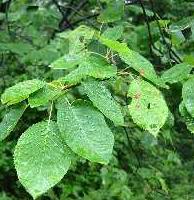
One teaspoon of Amla juice mixed with a cup of bitter gourd juice has been recommended by naturopaths for its properties of stimulating the Pancreas which secretes insulin for reducing blood sugar. Amla seeds or dried amla is equally invaluable for control of Diabetes.
It is also effective in the treatment of amlapitta (peptic ulcer) , as well as in non-ulcer dyspepsia. The alcoholic extract (1gm/kg) given to isoprotenol-pretreated rats resulted in an increase in cardiac glycogen and a decrease in serum LDH, suggesting a cardioprotective action. It also demonstrated a statistically significant reduction in serum cholesterol levels.
Traditional Uses:The fruit is commonly used in the treatment of burning sensation anywhere in the body, anorexia, constipation, urinary discharges, inflammatory bowels, cough, hemorrhoids, fever, thirst, and toxicity of the blood.
Amla is very rich in Vitamin C, It has 20 times the Vitamin C content of grapefruit and 15 times that of lemon. In dried amla (pieces or powdered), vitamins are retained and protected due to the natural antioxidant properties of the fruit Other vital benefits include:
Cooling effect and reducing of body heat. Inhibiting phlegm and bile. Increase in the production of semen and help in urinary and gynecological problems. Good for pulmonary ailments Reducing of body fat Improving hair texture and eye health. SPECIES WITH POSSIBLE DEVELOPMENT POTENTIAL: 8. Ma-khaam pom (Phyllanthus emblica Linn)
Costus (English), Saussurea lappaKushtha (India) :An erect robust perennial herb, the dried roots of which constitute the drug.
The roots contain resinoids, essential oil, alkaloid, inulin, a fixed oil and other minor constituents like tannins and sugars. The essential oil of the roots has strong antiseptic, disinfectant and anti-inflammatory properties. An alcoholic extract of the herb has been found very useful in the treatment of bronchial asthma.
Fenugreek (Trigonella foenum-graecum)
Fenugreek is a slender annual herb of the pea family (Fabaceae). Its dried seeds, used as a food, a flavouring, and a medicine.
The herb is a characteristic ingredient in some curries and chutneys and the fenugreek extract is used to make imitation maple syrup. Because of its high nutritive contents, it is an important ingredient in vegetable and dhal dishes eaten in India. In India, young fenugreek plants are used as a pot herb. The leaves are widely used, fresh or dried, in Indian cooking and are often combined with vegetables. Fenugreek seeds are used in a wide range of home-made or commercial curry powders.
Fenugreek was used in Middle Ages to cure baldness. It is still used in Indonesia as hair tonic. It is traditionally used to stimulate the metabolism and there by to control the blood sugar levels of diabetic patients. It is useful in lowering the blood pressure and because of its high iron content it is also given in cases of anaemia.
Fenugreek is used medicinally as a digestive aid and to promote lactation in both women and in cows. The seeds have been used as an internal emollient for inflammation of the digestive tract and as an external poultice for boils and abscesses; but their present medical use is principally confined to the treatment of cows and horses. It contains diosgenin, a compound used as a starting material for sex hormones in the pharmaceutical industry.
Ginger (Zingiber officinale) is described as acrid, heating, carminative, rubefacient and useful in dyspepsia, affilations of throat, head and chest, haemorrhoids, rheumatism, urticaria and many other diseases. . Ginger has been used as a medicine in India from Vedic period and is called great medicine. Ancient physicians used it as a carminative or anti flatulent. Galen, the Greek physician, used ginger to treat paralysis caused by phlegmatic imbalance in the body. Aviceena the Arab physician used it as an aphrodisiac centuries ago pomose also used ginger in the treatment of gout. Ginger is pungent and a bit bitter in taste. It acts as digestive, carminative, stomach, anti pyreutic, generates heat expels flatus and cough, purifies blood and is invigorating.
One teaspoon of ginger juice mixed with a cup of fenugreek decoction and honey to taste makes an excellent diaphoretic mixture to proliferate sweating and reduces fever in influenza. It acts as an expectorant in bronchitis, Asthma,and whooping cough.Gurmar(Gymnema sylvestre): An Indian folk favourite for treating diabetes. Tea made from this herb helps to boost insulin production. Research studies have also suggested that this herb may actually increase the number of beta cells in the pancreas. More studies are pending.
Garlic: Similar to onions in its action: It is suggested that raw is best or lightly cooked in food.Garlic is said to stabilize blood sugar, enhance immunity and improve circulation. (helps regulate blood sugar levels and so can be helpful in late onset Diabetes.) Garlic lowers blood-cholesterol levels - reduces hypertension - stimulates the digestive system. Garlic enhances the body's immune defenses.
Henna (Lythraceae) BengaliMehndi The trade name is based on the word Hina which is the arabic name of the drug.
The chief use of Henna is a pleasant orange dye for coloring. The leaves of the plant have certain medical properties. They are astringent and used as a prophylatic against skin diseases. The leaves have also been shown to have some action against tubercular and other bacteria, and in typhoid and haemorrhagia (S. K. Jain, 2001).
It is difficult to pinpoint the exact origin of mehendi. Some historical evidence suggests that it was introduced in India during the 12th century AD. Again, there is proof that henna was used to stain the fingers and toes of the Pharaohs prior to mummification over 5000 years ago when it was also used as cosmetic and for its healing power.
Mehendi: Tradition mingled with a new look Colour your palms with rusty-red
Hing (Ferula foetida) or Asafoetida Bengali Hingis a sedative, expectorant and laxative It is very useful remedy for relieving spasms and ingestion. flattulent colic, cholera and whooping cough. It is a stimulant for respiratory and nervous system and very effective in pneumonia and bronchitis in children.
Medicinal Properties:
Diabetes: Mix 1/4 tsp hing powder in 2 tsp bitter gourd juice.Take twice a day. Indigestion: Mix 1/4 tsp hing powder with a ripe banana and eat. Kidney-Problems: Mix 1/4 tsp hing in 2 tsp fresh ginger juice.Add a pinch of salt and sip. Jambol Eugenia jambolana Bengali Jam, Kala Jam the bark, fruits and seeds of the tree are medicinal. The bark is very astringent and is used in sore throats, bronchitis, asthma, ulcers and dysentery; it is also given for purifying blood, and as a gargle. The seeds are very useful in diabetics. The drug showed effect only when administered through injections not through oral administration. The anti-diabetic activity of this drug is more marked than that of Bijasal ,Petrocarpus Marsupium Roxb (S. K. Jain, 2001
Jaiphal (Myristica fragrans) is very well known in the Indian subcontinent for various medical properties. It is the most valuable medicine in dyspeptic complaints.- Prescribed in the low stage of fever, in consumptive complaints and asthma it is also used for stimulating digestion, healing choleraic diarrhoea, obstructions of liver and spleen etc.
Onions: Asian researchers fed subjects onion juice and whole onions and found that the greater the dose, the more blood sugar was depressed. (rawor boiled no difference). The active ingredients isolated are allyl proply disulfide and allicin. It is believed their action is in stimulating more insulin production.
Sandalwood Tree Chandana (India): A small to medium-sized, evergreen semi-parasitic tree, with slender branches, valued for its heartwood.
Both the wood and the oil have long been employed in medicine.
The main constituent of sandalwood oil is santalol. It is used to alleviate itching and inflammation. It is credited with cooling, diaphoretic, diuretic and expectorant properties, and sandalwood finds several applications in household remedies.
Soapnut-tree (English) Sapindus mukorossi, Sapindus emarginatus, Sapindus trifoliatus , Bara rita, Ritha (Bengali), Phenila, Arishta (India): A deciduous tree found wild in north India, usually with 5-10 pairs of leaves, solitary with large drupes. This tree belongs to the main plant order Sapindaceae and family Sapindeae. The species is widely grown in upper reaches of the Indo-Gangetic plains, Shivaliks and sub-Himalayan tracts at altitudes from 200m to 1500m. Also known as soap-nut tree, it is one of the most important trees of tropical and sub-tropical regions of Asia. It is also called doadni, doda and dodan in Indian dialects.
This tree flourishes in deep clayey loam soil and does best in areas experiencing nearly 150 to 200 cm of annual rainfall. The trunk of Ritha is straight and cylindrical, nearly 4 to 5 m in height. The canopy comprising side branches and foliage constitutes an umbrella-like hemispherical top measuring about 5 m in diameter. The tree can reach an height of 25 m and a girth of 3 to 5 m in nearly 70 years of its existence. Ritha is thus an excellent tree for planting along boulevards.
Ritha flowers during summer. The flowers are small and greenish white, polygamous and mostly bisexual in terminal thyrses or compound cymose panicles. These are sub-sessile; numerous in number and at times occur in lose panicles at the end of branches. The fruit appears in July-August and ripens by November-December. These are solitary globose, round nuts 2 to 2.5 cm diameter, fleshy, saponaceous and yellowish brown in color. The seed is enclosed in a black, smooth and hard globose endocarp. The fruit is collected during winter months for seed and or sale in the market as soap nut.The trunk of Ritha is straight and cylindrical, nearly 4 to 5 m in height. The canopy comprising side branches and foliage constitutes an umbrella-like hemispherical top measuring about 5 m in diameter. The tree can reach an height of 25 m and a girth of 3 to 5 m in nearly 70 years of its existence. Ritha is thus an excellent tree for planting along boulevards. Ritha wood is hard and light yellow in color. It is close-grained and compact weighing about 30 kg per cubic foot. The wood is utilized for rural building construction, oil and sugar presses, agricultural implements, etc.
For thousands of years Indians have been using it for a variety of purposes. It is known in Hindi as Ritha, reetha, aritha, dodan, kanma and thali. Had soapnut arrived in Britain at the same time as tea, this country would have remained far less polluted, with greater reserves of fossil fuels for the millennium ahead.
Chinese peasants traditionally used the small yellow fruit of the soap berry tree (Sapindus mukorossi) to make soap. Very easy to make: simply grinding up the rind and soaking it in water produces a soft liquid soap used for washing and as a shampoo -- popular with village women because it "beautifies the skin and removes freckles".
Soapnut-tree (English) Sapindus mukorossi, Sapindus emarginatus, Sapindus trifoliatus , Bara rita, Ritha (Bengali), Phenila, Arishta (India): A deciduous tree found wild in north India, usually with 5-10 pairs of leaves, solitary with large drupes. This tree belongs to the main plant order Sapindaceae and family Sapindeae.
It is one of the most important trees of tropical and sub-tropical regions of Asia. It is also called doadni, doda and dodan in Indian dialects.How to Grow Soap Nut Trees
Soap Nut is a drought resistant tree and therefore a good option for Xeriscaping. The tree can reach a height of above 25 metres and a girth of 3 to 5 metres in nearly 70 years and is therefore planted along boulevards. This tree flourishes in deep clayey loam soil and does best in areas experiencing nearly 150 to 200 cm of annual rainfall.
It flowers during summer and the fruit appears in July-August and ripens by November-December. These are solitary globose, round nuts 2 to 2.5 cm diameter, fleshy, saponaceous and yellowish brown in colour.
The seed is enclosed in a black, smooth and hard globose endocarp. The fruit is collected during winter months for seed and or sale in the market as soap nut. The Ritha seed germinates easily. To ensure cent per cent germination, the seed is soaked in lukewarm water for 24 hours and then sown, either directly in already prepared 60 x 60 cm pits at 5m x 5m spacing or sown in polythene bags filled with clayey loam soil mixed with farmyard manure or similarly prepared nursery beds.Growth
This tree flourishes in deep clayey loam soil and does best in areas experiencing nearly 150 to 200 cm of annual rainfall. The trunk of Ritha is straight and cylindrical, nearly 4 to 5 m in height. The canopy comprising side branches and foliage constitutes an umbrella-like hemispherical top measuring about 5 m in diameter. The tree can reach an height of 25 m and a girth of 3 to 5 m in nearly 70 years of its existence. Ritha is thus an excellent tree for planting along boulevards. Ritha flowers during summer. The fruit appears in July-August and ripens by November-December. These are solitary globose, round nuts 2 to 2.5 cm diameter, fleshy, saponaceous and yellowish brown in color. The seed is enclosed in a black, smooth and hard globose endocarp. The fruit is collected during winter months for seed and or sale in the market as soap nut.
Ritha seed germinates easily. To ensure cent per cent germination, the seed is soaked in lukewarm water for 24 hours and then sown, either directly in already prepared 60 x 60 cm pits at 5m x 5m spacing or sown in polythene bags filled with clayey loam soil mixed with farmyard manure or similarly prepared nursery beds. For thousands of years Indians have been using it for a variety of purposes. It is known in Hindi as Ritha, reetha, aritha, dodan, kanma and thali. Had soapnut arrived in Britain at the same time as tea, this country would have remained far less polluted, with greater reserves of fossil fuels for the millennium ahead.
Method:
Soapnuts contain saponin, which works similar to soap. Ironically, soapnuts are generally used in the West to extract the saponin in order to manufacture industrial soap, whereby the original potential of its use as a laundry detergent was ignored for a long time. Once these soapnuts get in contact with water in the washing machine, the saponin is naturally extracted and creates the same effect as a conventional laundry detergent.
The effect is positive: soapnuts clean remarkably well! All common stains will be removed, just as with the use of normal washing powder. Merely persistent stains, such as blood, or red wine, are more difficult to remove.
100 grams of soapnuts produces a good 2.5 litres of soapnut Juice. 3-4 spoons of Juice are sufficient for a laundry load, a little less, with added vinegar will clean a load of dishes in the dishwasher. An infusion made from soapnuts gives a shampoo which works well and effective to fight dandruff as well as gives hair a silky shimmer and vitality. After the hairwash with a soapnut infusion it is easy to comb through the hair, and it takes much longer to become oily. Very suitable especially for allergy sufferers. Soapnut also discourages the occurrence of parasites, such as nits or lice.Ayurveda, the primary form of healing and framework for wellness in India, is based in a holistic approach to healing. Rooted in early Vedic culture, Ayurveda translates to “the science of life” and deals with management of healthy living. Ayurveda provides a template for wellness in the body, as it relates to physical, mental, social and spiritual harmony of a person within their environment. The Soapberry tree (Sapindus spp.) sends its roots back as far as the time of Buddha. The fruit of the tree, called Soap “Nuts” are a model offering from the ancient healing modalities to our modern lifestyles in the realms of cleanliness, aesthetics and medicine.
Soapnut shell are economical (from only 3 pence a wash compared to 25 pence for a standard non-bio) They leave your laundry fresh, clean and soft eliminating the need for softeners. Because they are natural and chemical free they are gentle on your skin and clothes. Suitable for sensitive skin, allergy and eczema sufferers. Soft enough for your whole family. Soapnuts grow (wild-crafted) on trees in India and Nepal; the shells contain “Saponin” a natural soap, the nuts inside are used in the pharmaceutical industry.
Once these soapnuts get in contact with water in the washing machine, the saponin is naturally extracted and creates the same effect as a conventional laundry detergent.
Soapnuts have been around for a very long time in India and Nepal. People there have always been washing their clothes with soapnuts. The secret of the soapnut is as simple as it is effective: The nut shell contains saponin, which acts like soap as soon as it gets in contact with water.In fact the skin of the fruit is highly valued by the rural folks as a natural produced shampoo for washing their hair. They also use these for washing woolen clothes. This is why some botanists have named the species as Sapindus detergens.
Soapnuts have long been used in the Western world for soap production, usually together with many chemical additives which are not really necessary for the actual washing process and which are damaging to the user as well as our environment.
The percentages of individual acids were found to be: palmitic, 4.0; stearic, 0.2; arachidic, 4.4; oleic 62.8; linoleic, 4.6; linolenic, 1.6; and eicosenoic, 22.4. The oil is composed of 0.1, 2.1, 22.0, and 75.8% trisaturated, monounsaturated disaturatd, diunsaturated monosaturated, and triunsaturated glycerides, respectively. The special characteristic of the Sapindus mukorossi seed oil is its content of 26.3 and 26.7% triolein and eicoseno-di-oleins, respectively (Lipids. 1975 Jan;10(1):33-40).
The effect is positive: soapnuts clean remarkably well! All common stains will be removed, just as with the use of normal washing powder. Merely persistent stains, such as blood, or red wine, are more difficult to remove.
100 grams of soapnuts produces a good 2.5 litres of soapnut Juice. 3-4 spoons of Juice are sufficient for a laundry load, a little less, with added vinegar will clean a load of dishes in the dishwasher.
An infusion made from soapnuts gives a shampoo which works well and effective to fight dandruff as well as gives hair a silky shimmer and vitality. After the hairwash with a soapnut infusion it is easy to comb through the hair, and it takes much longer to become oily. Very suitable especially for allergy sufferers. Soapnut also discourages the occurrence of parasites, such as nits or lice.Uses:
soapnut is excellent for washing and bathing humans and pets. It leaves the skin with a soft, smooth layer which protects against infections and insects. mechanic's hands, stained hands, or those where the skin is cracked from chemical cleaners can gain considerable relief. noticeable improvements within two weeks have been found, including smoother skin and the removal of ingrained marks. soapnut is a natural exfoliant. It is considered to be second to none and is also very common in the Indian Ayuverdic healing system. in hair care, soapnut helps to remove dandruff, gives hair more body and works against infections of lice and other parasites. It leaves the hair, not just looking healthy but, actually healthy. Recently there has been evidence showing that soapnut also reduces hair loss. soapnut is traditionally used as a natural and effective treatment for skin complaints including eczema, chronic itching and psoriasis. soapnut is perfect for washing clothes, with no optical whiteners, foaming agents or other chemical additives. In Nepal, soapnut is used for washing the finest silks and woollens in preference to any other product. elsewhere in the kitchen, soapnut is also invaluable; dishes, cutlery and even greasy pans can be cleaned with soapnut - and it is dishwasher friendly. most of us are unaware that many of the fruit and vegetables we eat are grown using quantities of harmful chemicals. supermarkets also use chemicals to increase their shelf-life, hence their recommendation to was fresh produce before use. Scientific test have shown that a ten minute soak in a soapnut solution will remove up to 95% of the surface pesticides and chemical residues. other uses include cleaning teeth, polishing jewellery, cleaning glass, paintwork and even washing the car! in the garden a soapnut solution can be used as a spray to repel and prevent a wide variety of pests and blight, including aphids and blackfly. A well regarded scientific horticulturist is currently researching these claims, with great success. Especially for allergic persons, persons suffering from neurodermatitis and people with sensitive skin, chemical detergents often provoke an aggravation of their ailment. Furthermore, it is evident that some of the chemicals used in some detergents are allergic. In our civilized surrounding, the amount of allergic substances rises steadily.
The fruit is valued for the saponins (10.1 %) present in the pericarp which constitutes up to 56.5 per cent of the drupe. The fruits are credited with expectorant and emetic properties and are used in the treatment of excessive salivation, epilepsy and chlorosis.
The powdered seeds are said to possess insecticide properties. They are employed in the treatment of dental caries. It cleanses the skin of oily secretion and is even used as a cleanser for washing hair and a hair tonic, and forms a rich, natural lather.
Its detergent action, which cleanses the hair and removes, accumulated debris and a sebaceous material further more imparting speculiar reflection and hair luster.Squill Urginea Indica Bengali Ban Piag is used in ailments of heart, and in cough and bronchitis. It promotes urination. Clinical trials have confirmed efficacy Indian Squill in chronic bronchitis and bronchial catarrh.
Tamarind (Tamarindus indica), Bengali Tetul is one of the most beautiful trees of the Indian subcontinent. An ancient Sanskrit script describes the fruit as 'refrigerant, digestive, carminative and laxative' and useful in bile-related diseases.
Tamarind is semi-evergreen, tropical tree that grows to about 24 m (80 feet) tall and has long drooping branches with alternate, pinnately compound (feather-formed) leaves; the leaflets are about 2 cm (0.75 inch) long. The yellow flowers, about 2.5 cm across, with a red stripe are borne in small clusters. The dark brown fruit is a plump pod 7.5-24 cm long that does not split open. It contains 1 to 12 large, flat seeds embedded in a soft, brownish pulp. This pulp has a high tartaric acid content, that imparts for its sourness.
Tamarind is a good laxative and an antiseptic. It is used for tummy upsets and for the treatment of ulcers. Over-ripe fruits can be used to clean copper and brass.
Foods: such as broccoli, nuts, oysters, mushrooms, whole grains, wheat cereals, rhubarb and brewer's yeast. Broccoli is particularly rich in chromium, as is barley. What it is: A MINERAL that makes the body more sensitive to insulin, regulates CHOLESTEROL and fatty acid production in the liver, and aids in the digestion of PROTEIN. If chromium is lacking, blood levels of cholesterol and fatty acids rise, GLUCOSE is poorly metabolized, and, in severe deficiencies, there may be nerve damage.
Spices and herbs used in Indian Sub-continent:
Name Botanical Name Amchur Mangifera indica Anadhana (Anardana) Punica granatum Anise (sanof) Pimpinella anisum Asafoetida (Hing) Ferula foetida Bay Leaf (Tejpata) Laurus nobilis Black cumin (Kala jeera) Carium nigrum Capsicum (chilli, cayenne pepper etc)) Capasicum frtescens/annum Caraway (Shah jeera) Carum carui Cardamom (Elachi) Amomum subulatum Cardomom Brown (Bara Elachi) Amomum subultum Carum (Ajwain) Carum copticum Chirauli Nut (Charoli) Cinnamomum zeylanicum Cloves (Laung Caryophyllus aromaticus Coriander Dhania) Coriandrum sativum Cumin (sada jeera) Cuminum cyminum Curry leaf (Kurry Pata, mitha neem) Murraya koenigii Fennel (Sonf) Foeniculum vulgare Fenugreek (Methi) Trigonella foenumgroecum Garlic (rashun) Allium sativum Ginger (Ada/Adrak) Zingiber offcinale Mace (jaiviri) Myristica fragrans Mint (Podina) Mentha viridis Mustard Brown (Rye) Brassica juncea Mustard Black (Sarson) Brassica nigra Nigella (Kalo jeera), wild onion seed Nigella saitva Nutmeg (Jayphal Myristica frarans Onion (Piyaz) Allium cepa Poppy Seeds ( Khas Khas) Papaver somniferum Ratanjot Onosma echioides Safron Crocus sativus Sesame (Til) Sesamum indicum Tmarind ( Tetul, Amli) Tmarindus indica Tejpat (Tejpata) Cinnamomum tamala Turmeric (Haldi) Curcuma longa Sacred Basil (Tulsi Pata) Ocimum sanctum Sweet Basil (Kala tulsi) Ocimum baslicum Dill (Sowa) Peucedanum graveolens Mint (Pudina) Mentha arvensis
6. PLANTS- THE GREATEST BIO-CHEMIST OF THIS PLANET
Plants are wonderful chemists, a trait that benefits not only the plants themselves but also human. Although the chemicals in plants are sometimes deadly to the animal, the same product in the leaves, roots, bark and flowers can be useful medicines for people when the doses are designed for the human body. Only less than five per cent of the plant kigdom have so far been analysed as potential medicine and remaining 95 per cent are still to be analysed.
The Heart Regulator
Millions of heart patients treat their heart ailments daily with medical derived from the delicate foxglove plant, Digitalis. The secret of this plant's success in treating heart disease lies in the glycosides found within its leaves. Of millions of patients who have been prescribed Digitalis, about 20 per cent experience side effects. Since we already know of other species that contain cardiac glycosides that would cause fewer side effects.
Cinchona Against Malaria
The Peruvian natives called the tree quina-quina - from which the name quinine was drawn. After the initial discovery of quinine, chemists isolated 40 different alkaloids from Cinchona. One additional alkaloid, quinidine, successfully treats certain heart disease. During World War II synthetic product replaced the highly affective natural quinine.
Synthetic Replacement - Not Perfect Substitute
In tropical countries malaria can no longer be contained with synthetic quinine. Natural quinine, however, is still highly effective against these strains. As we see with Cinchona, synthetic replacements are not perfect substitutes for nature. What happened with this anti-malarial drug could happen with any synthetic medicine.
Alpha-terphinel - Fight Against Malaria
During the 1970s many countries suffered a huge increase in the number of malaria cases and for some this amounted to up to 30 times the low figures achieved during the 1960s. In India today more than half the nation's health budget is spent on anti-malaria campaigns. Its record of cases over the last three decades makes alarming reading; from 100 million in 1952, down 60,000 in 1962 and up again in 1978 to 50 million.
Alpha-terphienyl, a compound derived from Tagetes marigolds, seems to be as effective as DDT in controlling mosquito larve.
Jambul fruit- Eugenia Jambolana reduces suger
The jambul tree is found mainly in India and the fruit and its seeds have been revered for centuries for their medicinal properties.
This fruit reduces the sugar in the blood and is very good in the control of diabetes. Its seeds contain Glucoside, Jamboline and Ellagic acid which are reputed to have the ability to check the conversion of starch into sugar in case of excess production of glucose. Therefore, Jambul seeds are also used as a remedy for Diabetes. Use of Jambul seeds for Diabetes was also confirmed by "Shaligram Nighantu Pharmacopia" in ancient India. Jambul seeds reduce urine sugar quickly and have been very effective in controlling diarrhoea. Other constituents of the fruit include Resin, albumen, gallic acid, essential oil and tannic acids.
Green Tea
Studies confirm that tea catechins—potent antioxidants—are effective in suppressing increases of glucose and insulin concentrations in the blood. Since blood sugar tends to increase with age, this effect is an extremely important anti-aging benefit ( Horigome, T., Kumar, R and Okamoto, K.: Brit J. Nutr., 60,275-285,1988)
Plus, tea polyphenols inhibit the activity of amylase, a starch-digesting enzyme found in saliva and in the intestines. Starch is broken down more slowly, and the rise in serum glucose is minimized, so that you don’t crave sweets and other snack foods after eating a meal.Since insulin is our most fattening hormone and, with cortisol, our most pro-aging hormone, if you drink Green Tea or take its extract in the form of a nutritional supplement, you gain a wide range of benefits that accompany calorie and insulin control.
This "starch blocking" effect of green tea may be part of the reason Japanese people living in Japan can eat so much rice but remain thin. They have a tradition of drinking green tea before every meal. The antioxidants in Green Tea also help reduce the oxidation of low-density lipoprotein (LDL) or "bad" cholesterol, a process that can lead to clogged arteries (Luo, M., et al. "Inhibition of LDL oxidation by green tea extract." The Lancet 199, 349:360-361).
Traditional Heritage for Today and Tomorrow
Plants are potent biochemists, man is able to obtain from them a wondrous assortment of industrial chemicals. Plants produce these chemicals as they absorb energy from the sun and convert variety of substances that appear to be infinite. Less than five per cent of all plant species have been analysed as potential medicine. Potential new plant drugs drawn from the 95 per cent of the plants still to be analysed. As the world's human population continues to explode conditions for the wildfire spread of new microbial disasters also increases. We should seek out plants that are most likely candidates to combat the predicted disease of the future. A modern example is the current AIDS epidemic that is sweeping the world. Scientists are looking for natural compounds with right antiviral properties. One of these is castonospermum ausrale, a black bean tree grows in rain forest.
The high species diversity on coral reef gives rise to another, often over-looked, benefit: their potential as sources for new drugs.... Researchers have discovered that number of these highly active compounds may have useful medical application.
Vegetables consumption lowest in Bangladesh
The amount of consumption of vegetable is lowest in Bangladesh among South and South-East Asian countries. It is only 28 gms. per head per day. Whereas in China it is 500 gms. and in South Korea it is 600 gms. The daily requirement of vegetables for a person is 250 gms. It was stated by the speakers in the concluding session of a week-long training course on 'vegetables seed production' held at Bangladesh Agriculture Research Institute (BARI), here on May 27, 2004. In Bangladesh the rate of use of better quality seeds is also lowest in South and South-East Asian countries (Daily Observer,June 6, 2004).
Jute genome decoded
Bangladeshi researchers have successfully decoded the jute plant genome opening up a new vista in the development of variety of the world's most adorned biodegradable natural fibre. Experts said this gene sequencing would help improve the fibre length and quality, including colours and strength; and develop high yielding, saline soil- and pest-tolerant jute varieties through genetic engineering.
With the successful sequencing of jute genome, Bangladesh becomes only the second country after Malaysia, among the developing nations, to achieve such a feat.Prime Minister Sheikh Hasina made the announcement of Bangladesh's scientific achievement in the parliament yesterday amid cheers and desk thumping by lawmakers.
Researchers from Dhaka University, Bangladesh Jute Research Institute and Software Company DataSoft in collaboration with Centre for Chemical Biology, University of Science, Malaysia and University of Hawaii, USA have decoded the genome. Bangladeshi scientist Maqsudul Alam, a professor of the University of Hawaii, who earlier decoded the genome of papaya in the US and rubber plant in Malaysia, led from the forefront in sequencing the jute genome.
Maqsudul told The Daily Star over telephone yesterday evening, "This is a great accomplishment not only for Bangladesh but for the whole world." He refused to comment any further saying there would be a formal address to the press today (Thursday). Dubbing it a historic scientific advancement, Sheikh Hasina told the parliament this would redeem the lost glory of the "golden fibre" as gene mapping of jute would now help breeders develop jute varieties resistant to pests and climatic adversities.
She said genome sequencing would help redeem the lost glory of our jute and jute products, immensely contribute to our economy and help transform jute fibre into the golden fibre and bring smiles to millions of jute farmers. Jute genome sequencing initiative began in February, 2008 when Maqsudul started exploring the possibilities with several Bangladeshi scientists and academics. The whole process was kicked off with many long conference calls between Maqsudul and plant molecular biologists, Prof Haseena Khan and Prof Zeba Seraj of the Department of Biochemistry and Molecular Biology of Dhaka University. Then the lead researcher had several meetings with Agriculture Minister Matia Chowdhury.
Genome sequence represents a valuable shortcut, helping scientists find genes much more easily and quickly. A genome sequence allows scientists identify and understand how genes work together for the plant's different features like growth, development and maintenance as an entire organism. This allows them to manipulate the genes and enhance, reduce or add certain features of the plant. Contacted, Zeba Seraj of DU told The Daily Star, "As against three billion genetic letters in human genome, jute has one billion. And sequencing of jute genome will open up a new vista of possibilities." Jute is the second largest fibre crop in terms of cultivation next to cotton. Bangladesh is the world's second-largest producer of jute, after India, and the world's largest exporter of the fibre (Daily Star, 17.06.10)Jute genome hero Alam
In two successive years, expatriate Bangladeshi scientist Dr Maqsudul Alam achieved two milestones in genomics -- sequencing the genomes of papaya and rubber plants. These successes shot Alam into spotlight in the scientific fraternity and hit headlines in the world's leading scientific journals in 2008 and 2009 but that could not quench his thirst for doing something special to benefit his motherland.
Maqsudul Alam, born in Faridpur -- a region known for growing jute -- finally translated his dream into reality this month by successfully leading a team of Bangladeshi scientists and researchers in decoding jute plant genome. In Alam's own words, “It worked as an orchestra, the timing was right; the team members were passionate and talented. “Through this project, we can deliver high quality and disease resistant seeds for improved jute fibre at very low cost to the farmers,” hoped the University of Hawaii Professor Maqsudul Alam in an exclusive interview to The Daily Star through e-mail.
After he led genome sequencing of a transgenic papaya in Hawaii, Alam did the same for rubber in Malaysia last year. But deep in his mind, he always nurtured a craving for doing the same for jute at some opportune time. Maqsudul Alam, whose father was martyred during Bangladesh's Liberation War, pursued higher studies and advanced research in Russia, Germany and USA, and had a knack for growth and developments of various plants even in his childhood days. He was mesmerised to see how big a lady's finger had grown after a flooding in the courtyard of his father's old Dhaka residence.
After successful accomplishment of jute genome sequencing and its field application, Alam said Bangladesh would be able to produce export quality jute products and multiply its jute trade in global market up to several folds. Asked to describe how and when the jute genome sequencing programme was initiated, he said it all began when he approached Professor Ahmed Shamsul Islam, coordinator of GNOBB (Global Network of Bangladeshi Biotechnologists) in February 2008 regarding the possibility of sequencing the jute genome. Bangladeshi scientists already looking into the possibility of getting the jute genome sequenced jumped up at this offer and this set the ball rolling. The following months saw Alam receiving phone calls from Agriculture Minister Matia Chowdhury, his visits to Bangladesh on several occasions, meeting with local scientists and different government, private, academic stakeholders. Finally, late last year the 'Swapnojaatra' team got the necessary funding from the government and accelerated the jute decoding.
He appreciated Bangladesh government's contribution of Tk 10 crore to fund his latest venture -- jute genome sequencing-- success of which was announced in parliament by the prime minister on Wednesday. Researchers from Dhaka University, Bangladesh Jute Research Institute and Software Company DataSoft in collaboration with Centre for Chemical Biology, University of Science Malaysia and University of Hawaii, USA decoded the genome with Alam giving the lead.
Genome sequence represents a valuable shortcut, helping scientists find genes much more easily and quickly. A genome sequence allows scientists to identify and understand how genes work together for the plant's different features like growth, development and maintenance as an entire organism. This allows them to manipulate the genes and enhance, reduce or add certain features of the plant.
Physical work on genome sequencing took place in different laboratories at home and abroad, said Alam. He listed the names of the labs -- molecular biology, DNA isolation, bioinformatics and 'manual curation'-- at Dhaka University; assembly and annotation, cluster computing, all coding, middleware scripting at Data Soft; manual curation and functional genomics at Bangladesh Jute Research Institute, high-end computational facility, assembly, coordination and intellectual leadership at Centre for Chemical Biology of University Sains, Malaysia, and raw data generation, assembly and management, connecting all the dots and intellectual leadership at the University of Hawaii. Asked about how much sequencing has been completed as jute genome has got 1.2 billion genetic letters, the renowned scientist said, “Draft genome sequencing is completed.” He however declined to say when a patent could be obtained.
Referring to the inclusion of young graduates in the 'Swapnojaatra' team that carried out the jute genome sequencing task, Alam said this type of effort would stop the threatening brain drain from the country. “If government does not invest, we may forget the rest. The brain drain will continue.”
Dr Alam added, “The human history, our own history and the science discovery paths have shown without any reservation that if you need a healthy economy and society, short and long-term investment for education (from primary to post graduate) with emphasis on 'curiosity-driven' human resources is a must.” Asked to rate the research capabilities of Bangladeshi's scientists in the fields of molecular biology and plant biotechnology, Alam said, “Brilliant, dedicated and passionate researchers with extremely poor and outdated infrastructure. It's very sad and unfortunate that our team at Dhaka University does not have even ultracentrifuge and elementary high throughput technology.” Ultracentrifuge is a centrifuge optimised for spinning a rotor at very high speed that has important uses in molecular biology, biochemistry and polymer science. High throughput technology is a method to purify, identify and characterise DNA, RNA, proteins and other molecules (Daily Star, 22.06. 10).1. Bangladeshi Jute (Corchorus capsularis, Corchorus olitorius) Leaf as Medicine
2. NEWS ON HERBAL MEDICINE
3. Tribal cures for modern ailments
4. Healing Plant from Natore
6. 1. Water Hyacinth Eichhornia crasspies A New Resource
Since early nineteenth century exploreres charmed by the enchanting beauty of waterhyacinth flowers in the vast luxirant rainforest of Amazonia Basin and Central America were preserved in all botanical gardens of Europe. At the end of nineteenth century it came to open water body in the Indian Subcontinent that was imported by the ruling British Authority. In a very short time the plant spread out so vigorously that caused serious problems in utelization of water resources
Since its invasion in the tropical and subtropical countries several billions dollars were spent to destroy it but any success was noticed. In Bangladesh waterhyacinth creates fouling of drinking water by their decomposition, obstruction to flow of water and navigation in rivers, competition with agricultural products, fish kills due to depletion of oxygen in water, and spread of epidemics by supporting variety of harmful animals including several disease vectors
Recent studies (Dinges 1981; Gilman et al., 1981; Forgione et al., 1982; Parashar, 1970; and Trivedy et al., 1985) suggest that waterhyacinth can control water pollution caused by the disposal of sewage and other wastewater effluents from different sources, domestic or industrial and also by the runoff from agricultural fields.
The Wastewater Engineering faculty of the University of Florida set up the first large scale waterhyacinth waste water system in Coral Spring. The system comprised of five asphalt-lined 38 cm deep ponds with a total area of 0.5 ha. with daily inflow of 387.5 m and 6 day retention period. Sweet (1979) reports that the system removes 93% of influent BOD, 67% of TSS (total suspended solids), 97% of total nitrogen and 79% of total phosphorous. About 15-20% of the plants were harvested monthly and used for making compost.
Most studies suggest that a simple passage of wastewater through a waterhycinth pond improves water quality. The mechanisms involve in wastewater purification using waterhyacinth are similar to conventional treatment facilities.
Fertilizer
Water hyacinth cmpost fertilizer contains:
- 30% Potash;
- 7% Phosphoric Acid;
- !3% Lime (IUCN, 1992).
Its value has been proved in Sudan, where it has increased peanut production by over 30% (Maltby, 1986).
In developing countries the weed can be used for waste water treatment facilities and untreated weeds can be a gold mine for producing bio-fertilizer. The industries of industrial countries are interested to transfer expensive and ever dependable technology to the third world countries. Water hyacinth is cheap and affordable simple methos for developing countries.Carcasses (cicada carcasses) return nutrients to soil
Americans from Maryland to Indiana will have to fend off clouds of cicadas, insects with transparent wings, black bodies and red eyes which dig themselves out of the ground every 17 years to mate before dying. The insects, which make a deafening buzzing sound as they reproduce, have begun to emerge in massive numbers. Scientists have assured the deeply bug-averse that the cicadas are harmless insects solely interested in mating and laying their eggs for the next three weeks only to vanish again until 2021.
Their decaying carcasses gave a super-size boost in nutrients to forest soil and stimulated seed and nitrogen production in a plant important to the forest ecosystem, researchers reported in issue of the journal Science. The findings might explain why tree growth increases for several years after a major cicada emergence, experts said. Bard College professor Felicia Keesing likened it to someone pouring a pound of fertiliser per square yard over the forest floor. She co-wrote an article accompanying the research paper on the impact of cicada carcasses on soil and plants.
Yang experimented with naturally occurring densities of cicada carcasses of as much as 300 bugs per square yard. For each density he measured the soil's nitrogen and bacterial and fungal growth over varying periods of time after carcasses were applied. Soil content of a form of nitrogen used by plants was many times higher - 199 per cent to 412 per cent - in ground littered with cicada carcasses. Bacterial and fungal growth also increased.
He added 140 cicadas per square metre to a plot that contained a forest plant called the American bellflower (Campanulastrum americanum); the plants later had 12% more nitrogen in their leaves, compared with plots without cicadas, and produced seeds that were 9% larger
Yang's findings that decaying cicada carcasses apparently stimulate a rush of soil nutrients might explain why other analyses have shown that tree-ring growth among oaks in areas infested with 13-year and 17-year cicadas increased for the first four years after cicada emergence, Keesing said. Cicadas spend most of their time underground as nymphs, sucking on tree roots and diverting some of the nitrogen that would otherwise go to the plant. In their last few months they emerge from the ground, crawl up trees and shed their hard skins. Over the next few weeks they sing to attract a mate (The Associated Press, December 1, 2004)..
7. Conservation of Microbial Bio-Diversity
Home garden diverse plantation will not only conserve threatened plant species, it will also attribute to increase diverse microbial bio-diversity that seldom mentioned or no attention in overall reviews of biological diversity. In ecosystems, micro-organisms are are important as symbionts (endophytes, mycorrhizae, and in insect guts), in nitrogen fixation (rhizobia, cyanobacteria, cyanobacteria-containing lichens), in the biodegradation of dead animal and plant material, and in controlling the size of populations of plants and insects through natural bio-control. The applications of micro-organisms in the bio-control of pests and weeds are becoming increasingly recognised. In developing countries, major short- and medium- term benefits can be expected from improve inocula for mycorrhizae and nitrogen-fixing Rhizobium strains; these improve tolerance to environmental stress and reduce the need to apply artificial fertilisers, repectively (Mantell, 1989).
In1919, Karl Ereky coined the term “biotechnology” to refer to the interaction of biology with human technology. Thus one definition of biotechnology is that it is a method through which life forms (organisms) can be manipulated to provide desirable products. Crops have been the subjects of modification and adaptation to human needs since the beginning. The development of the science of genetics in the 20th century was an important factor in plant breeding programs that have produced the remarkable diversity of fruits, vegetables and grains we enjoy today. Through the manipulation of genomes, chromosomes or single genes, plants can be adapted quite precisely to specific purposes. Today, a discussion about the future of agriculture cannot be divorced from modern biotechnology.
Supporters of GM food say, it could reduce the use of pesticides and fertilizers, allow people to farm in harsh environments and increase crop yields. It could also make our food healthier and more nutritious to eat :
Protein factories
Plants and fruit could be turned into biological factories to harvest custom proteins and materials such as:
Vaccines and drugs Healthy oils to combat illnesses such as heart disease Eco-friendly biofuels Bio-lubricants to replace current hydraulic fluids Biodegradeable plastics Opponents see it differently - they say that no one can predict the long term impact of GMOs on other plant life and on the health of the soil. There's some evidence of irrevocable soil bacteria adaptation already. They also object to the patents and licensing agreements which, they maintain, deprive farmers of control over their livelihoods.
Traditional plant breeding involves crossing of different plants with useful characteristics, and has been very Although still a relatively young scientific discipline, genetic engineering is being applied in a broad variety of ways, mainly in the biomedical research, but also in agriculture and food production. With the help of genetic engineering it is now possible to transfer for example, a gene from a bacteria to a plant so that the plant produces the corresponding bacterial protein in its cells. A plant genetically modified in this way is also called transgenic plant.
GM Crops in Bangladesh, Looming Danger
Land-strapped Bangladesh is set to grow genetically modified (GM) crops to augment food production to meet the growing demand of a growing population. To start with, four types of crops would be developed soon by applying biotechnology under the National Agriculture Research System (NARS). These are drought- and saline-tolerant rice, late blight resistant potato, fruit and shoot borer resistant eggplant and pod borer resistant chickpea.
Steps will soon be taken to set up 'containment facilities' -- a safety infrastructure to prevent any jumping of modified genes to nature -- at particular NARS institutes such as Bangladesh Rice Research Institute and Bangladesh Agriculture Research Institute. It will take at least two years for commercialisation of the seeds developed at these institutes.
Agricultural Biotechnology Support Project II (ABSPII), funded by the United States Agency for International Development (USAID), will support the endeavour. Cornell University of the USA is managing the project. A donor-aided workshop on agricultural biotechnology yesterday revealed the plan under which genetic modification would be carried out to gain special disease-fighting traits in crops FBCCI chief Abdul Awal Mintoo, who also heads East-West Seed company, said the advent of agricultural biotechnology would facilitate further genetic improvements of seeds (Daily Star, October 7, 2004).
Half a century's Green Revolution in Bangladesh and other countries, and the current biotech moves-hybrid seeds plus costly agro-chemicals and irrigation, which apparently yield handsome harvests - is now known to hurt the seed base and the soil fertility in alarming ways. Besides they make crops more pest prone and thus more dependent on pesticides.
The whole history of agriculture is one of experiments. In ancient times perhaps it was a trial-error process, today it is a more organised and documented process. We do not know how many of those experiments failed. It is those which were successful that have trickled down to us. Yet in this Third Millennium because of a number of failures, we tend to fear and fight against any innovative method. Bovine growth hormone (BGH) produced through biotechnology can increase the milk yields of cows by 5 to 20 per cent. But BGH use has also resulted in the increased incidence of mastitis in cows (Afroza Quadri, November 10, 2004).
1. Potential Hazards from Transgenic Crops
2. Farmer Liability and GM Contamination - Schmeiser Judgment
Greater yields, bigger profits, easier farming methods.. In India, where there are nearly a billion mouths to feed and two-thirds of the population is involved in farming, the promises of the multinational seed companies are enticing. Yet the so-called wondercrops could destroy rather than improve the livelihoods of India's small farmers.
Farmers to lose control over seeds with use of GMO'
Many farm labourers might lose their jobs and bio-diversity would be lost with the massive usage of genetically modified organism (GMO) in the country, said the speakers at a workshop yesterday. They said some multinational companies are trying to control world's agriculture and their emergence here will drive out the individual farming. The speakers said patent rights will come straightway with the introduction of GM seed and farmers will lose the authority over the seeds. They said only 11 companies are now controlling the entire seed market all over the world. The workshop titled 'Agriculture, Food and Commerce: Peoples' Movement' was organised jointly by Ubinig, Coastal Development Partnership, Lokoj and Uttaron in association with the International Food Security Network and Action Aid in the city. The speakers strongly opposed the world trade organisation (WTO) agreement on agriculture.
Terming the agreement partial they said fish and jute, two main agricultural products of Bangladesh, are not included in WTO agreement. The speakers demanded immediate cancellation of the agreement that signed by government in 1995. They also demanded ban on imported GMO and hybrid agricultural product, and urged all to take stand against the introduction of golden rice in the country."On one hand the donors keep telling our government to cut subsidy on agriculture but on the other hand they are subsidising their agriculture sector heavily to get our market, the speakers alleged. They said they will make a proposal based on the opinions of mass people before Hong Kong WTO conference (Daily Star, August 01, 2005).
Monsanto's latest flagship technology makes a nonsense of its claim that it seeks to feed the worlds hungry. On the contrary, it threatens to undermine the very basis of traditional agriculture - that of saying seeds from year to year. What's more, this "gene cocktail" will increase the risk that new toxins and allergens will make their way into the food chain. The Terminator does more than ensure that farmers can't successfully replant their harvested seed. It is the "platform" upon which companies can load their proprietary genetic traits - patented genes for herbicide-tolerance or insect-resistance - and get the farmers hooked on their seeds and caught in the chemical treadmill (The Ecologist, USA, Sept-Oct 1998 v28 n5 p276(4)).
GM Crops Lead to Herbicide-Resistant "Superweed" in UK
British agricultural scientists have found that a genetically modified (GM) variant of rapeseed has cross-fertilized with local wild charlock plants, creating a herbicide-resistant "superweed" in the process. The transformation of a plain charlock into a superweed is something scientists had thought to be "virtually impossible." (Our Planet, August 2005)
Small farmers and GE giants
9. INVASION OF NATURAL ECOSYSTEMS BY PLANTS
A few months ago an educated very wealthy person was very proud to present his garden in Savar, Dhaka, "I have got all types of plants, flowers from all over the world!" In Bangladesh influential persons can bring any type of plants through the customs without quarantine. Illegal import of plants can bring one of the worst disasters in Bangladesh.
Imported Trees
Bangladesh with the advise of the western experts planted many different types of imported trees (financed by the World Bank, Asian Development Bank etc.)without studying impact on ecology.In the past few years the banana, pineapple and papaya cultivators have illegally cleared thousands of acres of forestland. The clearing continues unabated. Given the trends, demise of the Modhupur forest is imminent. This is happening with the Forest Department officials, employees and guards around
Quarantine centres under the Department of Agriculture Extension (DAE) are allegedly issuing indiscriminate import permission certificates and release orders for import consignments of all kinds of agricultural products, irrespective of whether they are of banned varieties or not. Sources in the DAE have told New Age(February 6, 2003) that some officials at the plant quarantine centres in Dhaka, Benapole, Darsana, Chittagong seaport, Bhomra and Hili, including some service centres, are issuing import certificates and release orders to such imports disregarding the obligatory examination of the plants.
It is further alleged that some officials of the DAE are issuing the phyto-sanitary certificates without any examination of the products.
The city witnesses many foreign trees which is again harmful. It is the splendid creation of nature that all the trees are not suitable for all kinds of environment. The trees of cold countries are adapted there to clean and make the environment sound of those areas. The same kind of trees may prove dangerous in the tropical and sub-tropical areas. Only because of beauty, foreign trees should not be planted. Indigenous trees must prevail and dominate the flora and fauna of our city. Because of commercial or political gain or benefit we must not take this kind of heinous decision at the cost of our lives.
Threats from the World Bank, ADB, and IMF
The biggest threats to public forests today are industrial plantation for production of raw materials for the pulp and paper mills, and commercial plantation for production of fuelwood," said Gain. "Industrial and commercial plantations are generally short-rotation. Between harvest and subsequent rotation of plantations, the land grabbers get an apt opportunity to put their hands on public forestland in collusion with the dishonest Forest Department people
Forests are our mother stocks of species and seeds. We can plant trees, but we cannot create forest. It is very important that we try to save our last forests. Given the rapid destruction of the forest and loss of habitat it is difficult to save our last forests.
We, the outsiders want to conserve the environment often with plantation. But the forest-dwelling Adivasis are part of the environment. They believe they are the custodians of the forests. Forests with the Adivasis and their traditions are most diverse, on the other hand, Plantations depict an opposite picture. These seriously lack biodiversity and cause massive soil erosion. Infrastructure, construction, and tourism are not eco-friendly. These have destroyed our forests and caused havoc for the forest dwelling Adivasis.
Population increase, mainly for in-migration of Bangalees from the plains and flawed land use policies have upset the balance in the Chittagong Hill Tracts (CHT). Jumias are wrongly blamed. Plant and crop diversity have decreased in the CHT because of decrease in jum cultivation, reduced fallow period, competition for land and tendency to control jum. Not the jumias but the outsiders are behind these factors.
Among the major institutional threats to the forests are the World Bank and ADB (Asian Development Bank) (Dr. Khaled Misbahuzzaman, Chittagong University, July 16 2004)).Destruction of our forests is caused largely by wrong prescriptions that come from the World Bank, ADB and IMF. A solid example is the destruction of the mangroves for shrimp cultivation in the coastal areas ( Daily Star, July 16, 2004).
1. Rich and local strongmen ruthlessly trying to elbow out thousands of landless families from the chars (islands)
2.Plantations (replacing native species) Are Not Forests
2. Third World communities fight the "Blue Revolution"We must unite, resist the misdeeds done to the forest and forest people, educate ourselves and do whatever else we can to save our last trees
"Sissoo Trees" (Dalbergia sissoo Roxle) is an example that leading to serious concerns about the future of the country:
Sissoo (Dalbergia sissoo Roxle) Trees
At a time of growing global awareness about the environment biodegradation continues in Bangladesh leading to serious concerns about the future of the country. According to an exclusive news item published in The Independent a large number of Sissoo trees are dying in the northern districts of the country being afflicted with the fungal disease 'dieback'. This by no means is a new phenomenon with the disease killing the trees, which promised to bring a fresh economic impetus in the region, for the last eight years. Despite assurances of foreign aid regarding the matter the authorities are doing nothing to stop the onslaught of the disease.
Killer disease attacks Sissoo (Dalbergia sissoo Roxle) trees
The disease has broken out in an epidemic form in 18 districts. The affected districts are: Rajshahi, Naogaon, Chapai Nawabganj, Natore, Bogra, Pabna, Sirajganj, Rangpur, Gaibandha, Dinajpur, Kushtia, Chuadanga, Meherpur, Jessore, Jhenidah, Faridpur, and Dhaka. In the dieback disease, first root infection occurs which results in the rotting of the root. Then leaf shedding is followed by the death of the affected as well as neighbouring trees progressively. Along with death of some of the branches at the early stage, a characteristic pink to reddish-pink liquid is seen oozing out of various places on the stem.
According to a recent study carried out by the Village and Farm Forestry Project (VFFP), a project of the Switzerland Development Cooperation (SDC), over the last 15 years, 80 per cent of the trees planted in North Bengal were of the Sissoo (Dalbergia sissoo Roxle) species. Owing to the dieback, farmers are felling young trees and as a result facing severe economic loss. On the other hand, they have to use the trees as fuel wood as they have no timber value.The disease is not only causing economic loss but also having a great impact on the environment in the whole region. Sissoo is found to be the most successfully grown tree in the Barind and other areas of North Bengal and the southwestern districts. Without Sissoo, the whole area, especially the Barind, might turn into a desert, experts fear. Because of the disease, production and sale of the Sissoo seedlings have declined since 1996. Again, the economic loss caused by the devastating disease is colossal though there is no official statistics on the number of dead trees. One 15-year old Sissoo tree sells at the minimum rate of Tk 10,000 in the local market.
A study carried out in 2001 by Bangladesh Forest Research Institute (BFRI) on the extent of damage caused by the dieback revealed that on an average 43 per cent of sissoo trees had died in 16 districts.
The districts and the mortality rates of the trees are: Chuadanga (63 per cent), Meherpur (57 per cent), Rangpur (57 per cent), Kushtia (55 per cent), Jessore (48 per cent), Jhenaidah (47 per cent), Rajshahi (41 per cent), Pabna (36 per cent), Bogra (28 per cent), Dinajpur (31 per cent), Dhaka (30 per cent), Magura (24 per cent), Faridpur (22 per cent), and Mymensingh (21 per cent). But, the forest department cannot say how many trees there are in the districts as "they do not have any statistics on this". A government statistics provided by the VFFP said that since 1985, about 2,00,00,000 trees have been planted in the Barind region- Rajshahi, Naogaon and Chapai Nawabgnaj districts- by the Barind Multipurpose Development Authority alone of which more than 80 per cent was Sissoo.
Besides, trees are also produced and planted under private initiatives. Another report of VFFP says that about 1800 private nurseries are supported by it, and they produce 50 million saplings of wood trees and fruit trees per year which are sold in the market.The problem is not unique in Bangladesh. It is also reported in India, Pakistan and Nepal.
Research Survey carried out a study on the dieback of Sissoo which revealed that different types of pathogens including Fusarium solanii (most common), Phytophthora spp and Ganoderma were directly and indirectly involved with the disease. "The dieback disease might have link with water stagnation. Besides, Boron deficiency can also cause the harm", Farid Uddin Ahmed, a forester cum environmentalist who works with Bangladesh Agricultural Research Council and VFFP, told The Independent.
Though insects were found associated with the disease, it was concluded that insect infestation takes place as secondary infection. However, they have some role in the development of fungus in the damaged parts of the trees and fungus grows from the exposed damaged parts of the trees. The study also inferred that adequate attention was not paid to the quality of seed, site quality, site matching spacing and other factors adding that such plantation never followed timely and appropriate management guidelines. Besides, the study suspects that monoculture of Sissoo trees must be another cause of the dieback.
Since 1996, saplings of Sissoo trees of 10-15 years old have been reported to be dying from dieback disease. Many farmers have reported that such trees die in about three to four months. No other timber species, except teak, is so extensively planted in Nepal, India, Pakistan and Bangladesh as Sissoo (The Independent, 2002).This attitude is particularly disturbing considering the fact that the Sissoo trees were planted with government patronage. The northern region, already has little tree cover compared to the rest of the country and if the trees in question have to damaged because of the ailment, it may well lead to irreversible environmental damage
Environment in Bangladesh has rarely managed to find a place in the list of priorities of the policymakers. It is easy to understand the reasons in a poor country but ignoring the environment can have disastrous impact on our future and is something we can ill afford. The impacts of environmental pollution may not be immediate but are sure to cost us heavily in the long run.
As we do not have adequate forest cover it is imperative that we plant more trees and preserve the old ones as much as possible. But though there have not been shortage of people exhorting about the beneficial aspects of trees few are ready to take effective actions to protect these trees that have over the years dwindled in numbers and Bangladesh, a country known for its green foliage is now facing the previously considered improbable threat of desertification in certain areas. Indiscriminate felling of trees for use as timber and charcoal means a quick buck for many unscrupulous traders and a bleak future for our environment. Strict laws do exist against illegal logging but like in many other fields it is the implementation of laws where things go awry. (Source: Editorial, The Independent, 20. 12. 02)
Agri quarantine in quandary in Bangladesh
Quarantine centres under the Department of Agriculture Extension (DAE) are allegedly issuing indiscriminate import permission certificates and release orders for import consignments of all kinds of agricultural products, irrespective of whether they are of banned varieties or not. Sources in the DAE have told New Age that some officials at the plant quarantine centres in Dhaka, Benapole, Darsana, Chittagong seaport, Bhomra and Hili, including some service centres, are issuing import certificates and release orders to such imports disregarding the obligatory examination of the plants.
While the rat of corruption can be smelt all over, the indiscriminate importation of agricultural plants and products can pose long-term harm to the agricultural sector, the agro-based industry now being a thrust sector of the economy. It is further alleged that some officials of the DAE are issuing the phyto-sanitary certificates without any examination of the products or inspection at the end of exporters' godowns
This examination is absolutely necessary under the WTO regime, or even before it by individual countries of the west, in order that the exportable food or agricultural products are absolutely hygienic and fit for human consumption, and hence for export. Several times in the immediate past or even before, export consignments of frozen food, agricultural products and fruits were rejected by the importing country and the consignments returned for not being properly tested in laboratories.
The Ministry of Agriculture did not take punitive action against the parties involved. Three years ago, some consignments of potato and vegetables to England were detected to carry germs injurious to human health. The shipments were cancelled and the consignments were sent back to the country. Most of the officials working at different quarantine centres usually are not present at their respective offices and consequently most of the consignments of the goods are frequently released without any tests, whereas the quarantine is an emergency service supposed to be open and at work round the clock.
The quarantine laboratories, on the other hand, are also not in working order as most of the equipments have gone into obsolescence or are in disrepair.
Imported Products
In the case of imported products, importers have to pay an additional amount of money for taking their permission certificate and simultaneously in getting the release order for the imported goods. Those go without tests, but nevertheless are released. Quarantine centres across the country are to oversee and test the imported products in order to rigorously ensure through bio-chemical tests that those are free from germs or diseases. Bangladesh imports all kinds of agricultural products like rice, wheat, daal, cotton, varieties of fruits, saplings without soil and all kinds of spices from different countries.
A DAE entomologist said that the quarantine centres are not properly upgraded as the government alone could not do enough to bear all the necessary costs of proper maintenance ( New Age, February 6, 2004)..
Invading plant pathogens have led to some of the most serious disruptions of natural ecosystems ever recorded. For example, the devastating impact of chestnut blight on North American hard wood forests and of Phytophthora root on Western Australian jarrah forests. Chestnut blight virtually eliminated the American chestnut throughout its natural range.
In Bangladesh we name our children after beautiful trees, flowers, and nature we live in. Love to nature is rooted in our blood. The use of dangerous pesticides for conserving food, wood against skin diseases etc. in Bangladesh/India is accounting for several deaths and health hazards. Traditionally useful plants will not only bring additional income to our rural poor but will also keep us happy and healthy.
Harmful exotic tree planting still going on
10. FUNGICIDES and INSECTICIDES
Our doctors are surprised with the rising rates of obesity, diabetes, hypertension, heart disease and cancer. Most obese women are not aware that they are diabetics till visit the doctor for some illness or surgery. Hypertension too, being a gradual rise of blood pressure, most people are not aware until they feel dizzy, and some end up with heart attacks and strokes.
Knowing about nutrition, healthy living and longevity today has become so specialized that most people tend to get confused not knowing whom or what to follow. There is a diet revolution today and the more you read about cholesterol, saturated fats, butter, margarine, carbohydrates, etc. the more you get confused. The answer is, read every bit you could gather through the Internet, magazines, newspapers, and nutritionists.
Americans have given us their heritage by the large imports of wheat flour for our traditional foods for over a century. The process that wheat goes through to obtain that fine white flour we import from the States are as shocking as the process margarine goes through to make it appear like butter. Even before they are planted in the ground, wheat seeds receive an application of fungicides and insecticides. Fungicides are used to control diseases of seeds and seedlings; insecticides are used to control insect pests, killing them as they feed on the seed.
Some of the chemicals used in commercial wheat crops are disulfoton, methyl parathion, chlorpyrifos, dimethoate, diamba and glyphosphate. These chemicals increase the toxic load in our bodies, leading to increased susceptibility to neurotoxic diseases as well as conditions like cancer.
Many of these pesticides function as xenooestrogens, foreign oestrogen that can reap havoc with our hormone balance, states Jen Allbritton, a certified nutritionist in the States. He further states that the researchers speculate these oestrogen-mimicking chemicals are one of the contributing factors to boys and girls entering puberty at earlier and earlier ages. They have been linked to abnormalities and hormone related cancers including fibrocystic breast disease, breast cancer and endometriosis.
Farmers also apply hormone like substances or plant growth regulators that affect wheat characteristics, such as time of germination and strength of stalk. Cycocel is a synthetic hormone that is commonly applied to wheat.
During the process of storage of wheat, the collecting bins are sprayed with insecticide, inside and out. More chemicals are added while the bin is filled. These so called “protectants” are then added to the upper surface of the grain as well as four inches deep into the grain to protect against damage from moths and other insects entering from the top of the bin.
One could imagine how much poisonous linoleic acid gets into the system by regular filmgoers, especially the kids who consume big loads of popcorn during the intervals.
Two slices of whole-meal bread with lentil curry and pol sambol, would be an excellent morning choice. Pol sambol is nutritious, scraped coconut in addition to its nutrients, antioxidants, has lauric and capric acid having anti-microbial properties. What better way to start the morning with food that kills viruses, parasites, bacteria and fungi? The chillie powder in the sambol has its vitamin C, and increases the general metabolism, also accelerates the functions of the glands. Added lime juice gives the fruity taste and vitamin C. The Maldive fish adds the omega 3 oil, good for heart health.
Foods are now rated on a scale called glycaemic index, or simply ‘GI’. The carbohydrates that are high in GI are less healthy. White bread (GI of 70) is used as a reference sometimes instead of glucose. The foods that take longer to be absorbed are called ‘low GI (GI less than 55). The carbohydrates that are quickly digested and absorbed are called ‘high GI’ (GI greater than 60).
Lentils are nutritious, and have a GI of less than 30. It’s a good protein for the vegetarians and diabetics. Mun-ata (green gram), lunu miris, and scraped coconuts are excellent foods as a stomach filling breakfast. Mun-ata also has a GI less than 30. Other low GI foods are Soya beans (GI 14); Peanuts (GI 15); Red lentils (GI 18); Kidney beans (GI 27) Apples (GI 38); Spaghetti (GI 41); Orange juice (GI 46); Raw carrots (GI 49); Cooked carrots (GI85); Baked beans (GI48), and so on.Some studies have shown that a diet based on low GI foods can lower the blood cholesterol, lower risk of heart disease.
It is clear that if one craves for starchy traditional foods, home-pounded rice flour would be a better choice than the imported white wheat flour from the States.A success story in organic control of pest: Magic traps of Nangarpur, Jessore
I was surprised to see at Aricha Ghat, Bangladesh that vegetable and fruit sellers were shouting, "Buy Desal (country or wild variety) of fruits!" These are more expensive than imported modified varieties. But taste better and contain more vitamin and minerals but smaller in size. Local varities iof rice or pulses, spices in village market are more expensive. But people have realize that traditional varities are better. But the big NGOs are selling imported manipulated seeds promising high yields which need chemical fertilizers and pesticides.
Farmers of Indian Sub-Contient used to plant traditional seeds but now after introducing high yield varities there is always an artifical seed crisis. Whenever there is a shortage of a commodity, black marketers lose no time in starting their profit making scheme, and this time too they have surfaced in the area. Our correspondent from Kurigram writes that against the BADC's fixed rate of Tk. 180 for a 10-kg bag of boro seed, black marketers are selling it for about Tk. 230. While this has been going on quite in the open in the district, BADC authorities, as usual, have been denying any such corruption. We are surprised to further learn that some officials have even denied any seed crisis at the sales centres claiming that sufficient quantity of seeds would reach there within hours.:
Seed crisis hits Boro (HYV Rice) farming
Nov 24, 2003 : Crisis of seeds is hampering cultivation of Boro paddy in the district in the current season. Farmers of the district are facing problems in procuring Boro seeds from Bangaladesh Agriculture Development Corporation (BADC). Despite remaining standing in the queue for long while the farmers are returning home without seeds from BADC sales centres. This correspondent visited BADC's seed sales centre in Kurigram recently and saw farmers standing in a long queue to procure seeds.
A 10-kg bag of Boro seed is being sold between Tk 205 and Tk 230 in the market against the government rate of Tk 180, they alleged. Besides, some dealers are selling seeds in the black market at exorbitant price as BADC authorities have failed to provide the farmers with seeds in time. As a result, the genuine farmers are being deprived of seeds, they added. Hafizur Rahman, sub-assistant director (seed) of Kurigram BADC's sales centre, denied crisis of seeds at the centre and said that seeds would reach the godown within a few hours.
On the other hand, Mohiuddin Ahmed, Deputy Director of BADC, said that a total of 250 tonnes of seeds are required for cultivating 70,000 hectares of land in the nine upazilas of the district this season. But BADC does not have sufficient quantity of seeds at its godown. The BADC authorities have appointed 34 dealers for selling seeds to the growers in the nine upazilas of the district, but only three dealers have opened their sales centres, he added (The Independent November 25, 2003).Narrowly focusing on increasing production-as the Green Revolution does-cannot alleviate hunger because it fails to alter the tightly concentrated distribution of economic power, especially access to land and purchasing power. Even the World Bank concluded in a major 1986 study of world hunger that a rapid increase in food production does not necessarily result in food security-that is, less hunger. Current hunger can only be alleviated by "redistributing purchasing power and resources toward those who are undernourished," the study said. In a nutshell-if the poor don't have the money to buy food, increased production is not going to help them.
Is it true that the best way to fight hunger, protect the environment and reduce poverty in Africa is by relying on Green Revolution crop varieties, and using more imported farm chemicals, plus genetic engineering and free trade? This is precisely what powerful institutions in Washington and elsewhere are prescribing for the continent, yet each of these elements could actually worsen, rather than improve conditions for Africa's poor majority (Institute of Food and Development Policy and the University of California at Berkeley, USA, 2002).
Agricultural Development Corporation (BADC) introduced modern irrigation equipment, chemical fertilisers, pesticides, and new varieties of seed that was developed by the international rice research institutes to increase food production in Bangladesh. Thus seeds developed in international research stations were made available to farmers for dry season (boro) crops in 1968 and wet season (aman) crops in 1970. Farmers experience and advise were never consulted, while introducing modern irrigation system and chemical based agriculture, as they are regarded as"ignorant farmers". Introduction and implementation of "Seed-Fertiliser-Water" technology was financed by the World Bank, Asian Development Bank, IMF, industrial countries as credit and donation.
In Bangladesh traditional seeds are not available, and the poor farmers under bureaucratic and corrupt system are living near famine situation.
Acute Boro seed shortage in Nilphamari
Nov 28: An acute shortage of Boro seed is prevailing in the district, creating grave concern among the farmers. According to a source in the Agriculture Extension Department (AED) only 90 metric tons of Boro seeds were sanctioned by the BADC against the total demand of 27,328 metric tons in the district so far. The source revealed that this year the farmers of the district began to make their seedbeds in order to cultivate Boro paddy on 68.320 hectares of land. A total of 27,328 metric tons of Boro seeds are needed for it.
Every day the farmers are seen moving to and fro in collecting seeds.At present, the seeds of 10 kgs packet produced by the BADC are being sold at Tk 250 to Tk 300 in different hats and bazars in the district, whereas the rate of the Boro seed of 10 kgs packet produced by the BADC was fixed at Tk 170 for sale. When contacted, the Deputy Director of the district Agriculture Extension Department regarding the severe Boro seed crisis prevailing in the entire district, he admitted the reality(The Independent, November 29, 2004)
1. Serious Seeds Crisis
2.VALUE OF DIVERSITY
3.Botanical Garden needs care and protection
4. Hybrid fruits - looming danger for biodiversity Agriculture began between ten and fifteen thousand years ago through the efforts of hundreds of thousands of people on several continents, and in many different social and ecological situations. The agriculture they established, suited to their own needs, was developed over the course of several thousand years."
When human beings initially began to domesticate plants, they selected plants that had traits which ultimately would be of great advantage to people. For example, they collected seeds which were larger, matured at harvest time and were "non- shattering," meaning the seeds were not easily dispersed but clung to plants.
The repeated selection and sowing of these seeds led to the development of plants more and more amenable to cultivation. But the multiplicity of places in which this process occurred ensured that a wide variety of plants, adapted to the particular requirements and situations of people all over the world, would flourish.Today, however, the international genetics-supply industry--made up of multinational chemical, pharmaceutical and food companies- -is absorbing the world's small and medium-sized seed companies and strengthening its control over the world's crops.
In promoting their narrow line of seed varieties, the multinationals are rapidly pushing the industrialized countries toward an overall sameness in their food supply and threatening the world's genetic diversity.
At the same time, they are expanding their sales to farmers in the Third World, the origin of most of the world's indispensable plant varieties. By allowing this to occur, the world is inviting environmental disaster and widespread hunger.
Farmers who begin to rely on the high-yield seeds sold by the highly concentrated international genetics supply industry soon find themselves caught in a trap. Uniform crops are especially vulnerable to pests and disease, forcing growers to use pesticides, often sold by the same companies that provide seeds. Consequently, individual farmers become increasingly dependent on the genetics-supply industry. The integration of independent farmers into the worldwide corporate agribusiness system also has a negative effect on biodiversity. In expressing general alarm over the fate of the more traditional seed varietiesFowler and Mooney stress that the extinction of a seed variety does not come simply at the time when there are no more seeds; rather extinction comes when the seeds' development process ceases to exist. As farmers become more dependent on the genetics supply industry, they lose the ability to nurture that development process.
Fowler and Mooney point out that approximately 97 percent of the varieties on a 1903 USDA vegetable list are now extinct. The consequences of such uniformity were demonstrated by the 1970 corn blight, which destroyed over 15 percent of the U.S. crop. In the wake of the corn blight, a 1972 U.S. National Academy of Sciences report, Genetic Vulnerability of Major Crops, revealed that the United States was shockingly reliant on a handful of seed varieties for its major crops. Fowler and Mooney emphasize that the study concluded that U.S. agriculture was "impressively uniform genetically and impressively vulnerable." Tracing the origins of Latin America's coffee industry illustrates how dependent whole nations and regions of the world have become on a few crop varietiesThe entire coffee industry of Latin America is based on the seven plants taken from Yemen a thousand years ago and then from one plant in Indonesia almost 300 years ago. Today, Fowler and Mooney report, there is little genetic diversity in coffee crops outside of Ethiopia.
But the Ethiopian government, which believes the country has historically not received fair compensation for its genetic resources, is refusing to permit future collection of coffee resources from Ethiopia. "Unless Ethiopia relents," Fowler and Mooney write, "we will have an opportunity to see what happens to a narrowly- based crop like coffee without recourse to badly needed genetic resourcesThe struggle among corporate agribusiness interests
Third World governments, the United Nations Food and Agriculture Organization (FAO) and the International Board for Plant Genetic Resources (IBPGR) to establish ground rules that will ensure the preservation and exchange of germplasm among all countries.
Unfortunately, they report, international efforts at seed preservation have favoured crops of primary interest to breeders in the industrialized countries. As founding staff members of the Rural Advancement Foundation International (RAFI), a nonprofit organization working for just and sustainable agriculture, both Fowler and Mooney have been participants in, and eyewitnesses to, many of those struggles.
Based on their years of observations and careful research, the authors have sought to develop a constructive approach to the enormous political, economic and scientific problems that the questions of genetic diversity pose. They have concluded that following principles of genetic conservation are necessary to preserve a healthy and diversified seed culture:
- Decentralized, broad-based strategies of preservation.
- Multiple strategies must be employed, with as many groups as possible-- including not just scientists, but farmers, fishing people and medicine makers--consulted about what should be saved and how.
- Agricultural diversity must be used, so that it continues to evolve and retain its value.
- And, efforts to save agricultural diversity must be interwoven with efforts to save the farm community.
"Diversity", like music or a dialect, is part of the community that produced it. It cannot exist for long without that community and the circumstances that gave rise to it. Saving farmers is a prerequisite of saving diversity.
Conversely, communities must save their agricultural diversity in order to retain their own options for development and self- reliance. Someone else's seeds imply someone else's needs." "We each have a special role to play in passing this gift [genetic diversity] on to the next generation," write Fowler and Mooney. Throughout history, they show, it has been "amateurs"-- people who love their seeds--more than scientists who have saved diversity. . If biodiversity is cared well in a country, the nation could be benefited by producing optimum harvest of its bioresources. Biodiversity then sponsors the sustenance of economic development of nation. So, we care biodiversity for two main causes for our existence in the world: a. We care for scientific/environmental reasons; and b. We care for commercial/trade reasons.We care biodiversity for scientific/environmental reasons because it has great role in nature on the following headings: 1. Keeps the balance of biomass production in the biosphere; 2. Keeps the energy-flow in biotic form in balance in biosphere; 3. Keeps the soil fertility in balance in biosphere (eg. Keeps the proportionity of production of microbes in respective areas in the biosphere); and 4. Keeps the biotic-abiotic relations in balance (Ecosystem balance maintenance).
We care biodiversity for commercial/trade reasons because it cause the species harvest bioresource distribution availabilities under the followings headings: 1. Biodiversity and poverty; 2. Biodiversity in food security; 3. Biodiversity in production of crops; 4. Livestock and biodiversity; 5. Biodiversity in global fisheries; 6. Biodiversity and forest; 7. Wildlife and biodiversity; 8. Biodiversity and human health; 9. Road construction and biodiversity; 10. Regional approaches and biodiversity; 11. Genetic resource use and biodiversity; 12. Trade policy and biodiversity; 13. Sustainable use of Biodiversity; and 14. Tourism and biodiversity.
What is KulturPflanze?
The question as to what characterizes a "cultivated plant" should no longer be understood as merely a rhetorical one. It refers to the widely accepted conception of agricultural modernization. Since the answer of the highly specialized plant breeders is too simple, too clear, we have to ask once more what a Kulturpflanze is.
So-called modern plant production teaches us that a "Kulturpflanze" is the scientific result of highly specialized plant breeding. The "domestication of plants" (Grigg, 1974) is obviously the process necessary to turn a "wild plant" into a "cultivated plant." The benefit which humans can draw from the cultivation of a plant is evidently significant in this transformation process. This is why the tenns Nutzpflanzen and Kulturpflanzen are. often used as synonyms.
In view of the gradual substitution of high-yielding new varieties for traditional local varieties and the consequent loss of genetic potential, is this ecologically justifiable? Can such an economic consideration be justified in view of the blatant strains on the ecology and the sometimes irremediable damage done to the environment when new varieties considered to be modern are cultivated in one-sided land use Systems within the framework of industrialized agriculture?
Only irresponsible technocrats can still advocate, at the beginning of the 1980s, a purely material concept of costs-benefits which can be realized within a relatively short period of time. But, obviously, there is a large number of such technocrats in almost all key positions: in administrations, in the extension services, in the industry supplying agricultural products As well as in the agricultural sciences. At the moment, it seems that a Greater number of ecologically justifiable agricultural Impulses and approaches are offered by people outside the modern agro-industrial school of thought than by those within it.
This "modern" plant production is oriented in the end towards short-term profit concepts and chemical and technical manipulations - sometimes including biological manipulations - to overcome natural barriers. For the most part, it is not oriented towards the historically evolved boundaries caused by local conditions in a particular region. The so-called "modern" plant production is largely a component of an economic sector, the agricultural sector, but not a component of "agriculture.'
A Kulturpflanze is a plant that has adapted itself through natural selection over the centuries to the natural conditions in a region and which has been selected and cultivated by humans. Over the years it has entered a symbiosis with the soll, animals, other plants, and human beings. It is not designed to produce the highest possible yield, nor does it dominate the field äs a one-crop system (monoculture). It is only one component of the locally dominating ecosystems, no more, no less.
What is "agriculture"?
If one considers its literal meaning and translates the Latin source, then "agriculture" means Ackerpflege, or "field cultivation." We want to stick to this definition, Agriculture is the cultivation of land (plots or fields which are often only small strips of land) in balanced and long-term stable ecosystem. It is a culture, in the proper snse of the word, a total culture, not just an economic sector. In other words, the opposite of short-term oriented utilization that is a form of exploitation.
Organic farms 'best for wildlife'
Organic farms are better for wildlife than those run conventionally, according to a study covering 180 farms from Cornwall to Cumbria. The organic farms were found to contain 85% more plant species, 33% more bats, 17% more spiders and 5% more birds. Scientists - from Oxford University, the British Trust for Ornithology, and the Centre for Ecology and Hydrology - spent five years on the research. Funded by the government, it was the largest ever survey of organic farming.
"The exclusion of synthetic pesticides and fertilisers from organic is a fundamental difference between systems," the study says. Other key differences found on the organic farms included smaller fields, more grasslands and hedges that are taller, thicker and on average 71% longer. Dr Lisa Norton, of the Centre for Ecology & Hydrology, said: "Hedges are full of native, berry-producing shrubs, which are great for insects and the birds and bats that feed on them." A greater area of organically-managed land in the UK would help restore the farmland wildlife that has been lost from our countryside Soil Association policy manager Gundula Azeez Increased biodiversity was a "happy by-product" of sustainable farming practices and farmers working with "natural processes" to increase productivity, she added.
he fact the organic arable farms were more likely to have livestock on them also made them richer habitats for wildlife. The study's lead author, British Trust for Ornithology habitat research director Dr Rob Fuller, told BBC News: "There were very large benefits right across the species spectrum." The study had looked at a "very, very high" proportion of England's organic arable farms, he said.
More organic farming would help "restore biodiversity within agricultural landscapes", Dr Fuller added. "Less than 3% of English farmland is organic so there is plenty of scope for an increase in area." Soil Association policy manager Gundula Azeez said: "A greater area of organically-managed land in the UK would help restore the farmland wildlife that has been lost from our countryside in recent decades with intensive farming" (BBC News, 7 August, 2005).
Natural Farming
Natural farming is based on the observation. It is about working with natural energies rather than trying to conquer wild nature. It is distinct from organic farming that is simply a return to the agriculture of the pre-chemical age. The problem of agriculture long pre-dates modern industrial farming methods. Everywhere farming has been widely practiced, soils have been eroded and depleted and the natural biodiversity has been reduced.
Understanding of soil is central to natural farming. Soil is far from an inert substance, it is a complex living ecosystem comprising innumerable microorganisms that enable plants to take up nutrients essential for their growth and help defend them against diseases and insects. These beneficial microorganisms include Rhizobium bacteria that convert atmospheric nitrogen into ammonium for use by plants, mycorrhizal fungi that help plants take up phosphorus and other nutrients, and many microbial pathogens that attack insect pests.
In the modern age mechanised plowing, chemical pesticides, fertilisers, soil fungicides and fumigants has released a whole new onslaught upon the soil. Today 600 million hectares, almost 40 % of the world’s farmland soil, is classified as in a degraded state. Fukuoka has written “Nature left alone is in perfect balance... far from being the answer, working the soil with plow and hoe actually interferes with these processes. If we leave the soil to itself, the force of nature will enrich and loosen.” For over 50 years Fukuoka developed a method he sometimes calls do-nothing agriculture, and for good reason, he used no plowing or digging, no imported fertilisers, no weeding and of course no chemical pesticides.
Fukuoka's method of growing grain is simplicity itself. He grows seasonal crops, rice in summer, and barley and rye in winter. He uses just the scattered straw of the preceding crop, a cover of clover and an occasional sprinkling of poultry manure for fertilizer. Instead of planting seeds and transplanting seedlings as in traditional rice cultivation, Fukuoka simply broadcasts earth and clay pellets containing seeds onto the ground. Then he floods his paddies, but for a much shorter duration than the usual rice farmer.
The flooding is timed to after the barley harvest while the clover is still very thick and the rice is just getting started. This weakens the clover and other weeds but does not slow the rice down. Each rice stalk yields 200 to 300 grains, which compares very favorably with the yield of other forms of cultivation.
Rhizobium bacteria that live in association with roots of the clover break down atmospheric nitrogen, some of which is supplied to the growing rice plants. As in many natural ecosystems nitrogen-fixing plants are the major source of nitrogen, which is the most important nutrient for plant growth. Nitrogen-fixing plants are central to the development of crop rotations that enable permanent use of the land while not depleting soil fertility
Primal Seeds exists as a network to actively engage in protecting biodiversity and creating local food security. It is a response to industrial agriculture and the control of the seed supply.
At this time when agricultural practices are leading to more rapid widespread ecological destruction than ever before, there is a small but growing awareness of the need for, and potential of natural systems of agriculture.
Using natural techniques, depleted soils can be rejuvenated and even the deserts can be reforested. These methods will never be applied by a top-down commercial approach to food production. It is up to us to develop them ourselves and in doing so, we may regain our connection to nature, the key to our health and well being.Vermicompost is more effective for all crops than chemical fertiliser
In Bangladesh also in W. Bengal farmers used to plant traditional high vitamin and mineral rich traditional rice varities, flood the field which gave natural fertilizer and kept the field with less weeds But now the green revolution has caused devastation. Qader Miah, a farmer in Faridpus says, "Now we have to buy expensive seeds, fertilzer, pesticide and water. We can plant only irri rice here. Lentils, oil seeds etc do not grow any more. The embankment has disrupted intrusion of fertile river water. Now we have more weeds. Policy makers do not listen our advice!"
Is the Green Revolution (GR) a curse or blessing for us? Four decades after the introduction of the GR, the time has now come to evaluate its overall impact. It seemed that political imperialism bade farewell to the third world countries, but in reality it exists in different forms. Agro-technology is such a form that has invaded the developing countries in the name of development.
Frozen vault to keep seeds safe for the future
Aimed at providing mankind with a Noah's Ark of food in the event of a global catastrophe, an Arctic 'doomsday vault' filled with samples of the world's most important seeds will be inaugurated in Norway today, reports The Sydney Morning Herald. The president of the European Commission, Jose Manuel Barroso, and the Nobel peace prize-winning environmentalist Wangari Matai will be among those present at the inauguration of the vault, which has been carved into the permafrost of a remote Arctic mountain, 1000 kilometres from the North Pole.
The vault is made up of three spacious chambers each measuring 27 by 10 metres, creating a long trident-shaped tunnel bored into the sandstone and limestone. It has the capacity to hold up to 4.5 million batches of seeds from all known varieties of the planet's main food crops, making it possible to re-establish plants if they disappear from their natural environment or are obliterated by disasters. 'The facility is built to hold twice as many varieties of agricultural crops as we think exist,' said Cary Fowler, executive director of the Global Crop Diversity Trust and mastermind of the project. 'It will not be filled up in my lifetime, nor in my grandchildren's lifetime.' Norway has assumed the $9.7 million cost of building the vault in its Arctic archipelago of Svalbard, where, ironically, no crops grow.
Secured behind an airlock door, the three airtight chambers have the capacity to house duplicates of samples from all the world's more than 1400 existing seed banks. Many of the more vulnerable seed banks have contributed to the 'doomsday vault' collection, but some of the world's biodiversity has already disappeared, with gene vaults in Iraq and Afghanistan destroyed by war and a seed bank in the Philippines annihilated by a typhoon.
By the time of the inauguration today, the Svalbard Global Seed Vault should hold some 250,000 samples, which will remain the property of their countries of origin.
Pakistan and Kenya, both undergoing serious unrest, have sent seed collections, while samples sent from Colombia have been closely scrutinised by the police to avoid the project becoming a vehicle for drug trafficking. 'I've been working in this field for 30 years and I thought I knew at least all the crops,' Fowler said. After receiving a list of all the different seeds in the vault, however, 'I must admit there are a number of crops I've never heard of before (Independent, 26 February 2008).'
11.1 Rediscovering the forgotten crops
Over the last century about 75% of the world's crop varieties have been lost, data from the UN Food and Agriculture Organization (FAO) suggests. UN researchers say that we now rely on just three crops: wheat, rice and maize. The fact that poorer nations are almost twice as dependent on these cereals as richer nations has led to the question: are we now too reliant on too few crops?
The Kolli Hills in Tamil Nadu, southern India, is home to about 40,000 people. Scientists have visited the area to see if ancient traditions offer any clues to finding a way out of a future global food crisis.Changing landscape
First of all, I think the environment is going to be more unpredictable," Sayed Azam-Ali, professor of tropical agronomy at the University of Nottingham, UK, tells the Television Trust for the Environment's Earth Report programme. "So we need crops that are going to be safe," he said. For centuries, farmers of the Kolli Hills harvested millet
"We can't rely on importing and moving crops around the world indefinitely. "I think we have to be more reliant on locally sourced food." Until the first road was built in the 1960s, the Kolli Hills were cut off from the outside world.
Farming families had been harvesting millet for centuries, and it was their main source of nutrition. "This was the only food crop they could depend on," explained Dr S Bala Ravi, a researcher from the Swaminathan Research Foundation. "There was no communication system; there was no public distribution system, so this was the only dependable crop for them which could be grown in the hills." (Source, BBC, February 15, 2008). H
owever, the construction of the road presented an opportunity for some farmers to switch to more profitable crops. One such crop is cassava, also known as tapioca. One farmer explained that until 20 years ago he used to grow millet, but tapioca offered a better return and a better standard of living.Growing Demand
The demand for relatively few crops has left experts worried that traditional knowledge of how to harvest millet will die out; something they have called "cultural erosion". A project to reintroduce the crop has begun to have some success.
Researchers believe the high nutritional value and its resilience means millet offers a more secure future for farmers, rather than growing cash crops and buying cheap rice to eat. Thirty-two of the 250 villages in the hills are growing millet again, but Professor Bala Ravi knows more is needed; farmers need to be able to sell it for cash too.
The farmers' millet products are finding their way into more stores "We want the farmers, instead of selling the raw harvest at a low rate, to enhance its value by various processing methods. "We are supplying the various machineries and increasing the capacity for processing," he added. "We have created a market line so that they can bring out their own entrepreneurship and enhance it."
Kolli Hills millet products are now on sale in 34 stores in the region, and sales have increased by 300% over the past year. Mixing minor crops, such as millet, into the major farming system could be the future for food, locally and globally. But researchers warn that the success of this type of venture still hangs in the balance.Africa’s forgotten fruits hold great potential
Africa’s “lost fruit crops”, such as baobab and maroela, are an untapped resource that could be used to combat malnutrition and boost environmental stability, says a new report from the US National Research Council. The maroela tree, for example, is a “nutritional powerhouse” which produces fruits that are high in vitamin C and nuts high in protein and minerals. Oils extracted from the nuts are used in high-priced skin care products.
The fruit of the baobab contains a pulp that can be dried into a powder high in protein, vitamins and minerals, the report says. “The powder is stirred into warm water or milk to create a healthy drink, and also beaten and dried into thin pancakes.” The report says that fruit production in Africa is dominated by species introduced from Asia and the Americas, such as bananas, pineapples, and papayas, but with scientific and institutional support, Africa’s native fruits could make a much greater contribution to nutrition and economic development (laura, February 3, 2008) .
11.2 FAO favours organic agriculture
The United Nations Food and Agricultural Organisation (FAO) has come out in favour of organic agriculture. Its report Organic Agriculture and Food Security explicitly states that organic agriculture can address local and global food security challenges. Organic farming is no longer to be considered a niche market within developed countries, but a vibrant commercial agricultural system practised in 120 countries, covering 31 million hectares (ha) of cultivated land plus 62 million ha of certified wild harvested areas. The organic market was worth US$40 billion in 2006, and expected to reach US$70 billion by 2012.
Nadia Scialabba, an FAO official, defined organic agriculture as: "A holistic production management system that avoids the use of synthetic fertilizers and pesticides, and genetically modified organisms, minimises pollution of air, soil and water, and optimises the health and productivity of plants, animals and people."
The FAO Report strongly suggests that a worldwide shift to organic agriculture can fight world hunger and at the same time tackle climate change. According to FAO's previous World Food Summit report], conventional agriculture, together with deforestation and rangeland burning, are responsible for 30 percent of the CO2 and 90 percent of nitrous oxide emissions worldwide.Benefits
Organic agriculture overcomes paradox of conventional food production systems. The new FAO Report frames a paradox within the conventional food production systems as follows:
Global food supply is sufficient, but 850 million are undernourished and go hungry Use of chemical agricultural inputs is increasing; yet grain productivity is dwindling to seriously low levels Costs of agricultural inputs are rising, but commodity costs have been in steady decline over the past five decades. Knowledge is increasingly provided through fast information technologies, but nutritionally related diseases are rising Industrialised food systems cause deaths through pesticide poisonings and high numbers of farmers have committed suicides, while millions of jobs have been lost in rural areas.
In contrast, organic agriculture offers an alternative food system that improves agricultural performance to better provide access to food, nutritional adequacy, environmental quality, economic efficiency, and social equity. This is crucial if agricultural production in developing countries is to rise by 56 percent by 2030 to meet nutritional needs, as stated in the report.Double yield
The fact that sustainable intensification of organic agriculture could increase production by up to 56 per cent is good news, as despite gains in food production and food security in some countries, sub-Saharan Africa produces less food per person than it did 30 years ago; and the number of chronically malnourished people in the region has doubled since 1970, from 96 million to over 200 million in 1996. This reflects the wider picture that developing countries have registered outright declines in yield increases under conventional agriculture between 1972-1992.Eonomic benefits
The Danish researchers suggest that a 50 per cent organic conversion by 2020 in the food exporting regions of North America and Europe would have little impact on the availability and prices of food. Converting from chemically intensive farming to organic farming can initially decrease yields, but the adjustment evens out over time and provides numerous non-material benefits such as land improvement.In developing countries, food quantity, quality and availability in urban areas are enriched by organic market gardens where local produce is sold to international markets and domestic supermarkets. This reduces dependence on cheap subsidised imports, which are projected to rise to more than 160 million tonnes by the year 2010. For example, a food network in Argentina that covers 3.5 million people reports 70 per cent self-sufficiency in vegetable production through organic urban garden networks.
Health benefits
As the FAO Report points out, organic foods tend to have higher micronutrient content that contributes to better health, lower incidence of non-communicable diseases and boosts plant and animal immunity against disease. The UK Soil Association carried out a systematic review of the evidence comparing trace minerals in organic and non-organic food, and found that on average, organic food contains higher levels of vitamin C and essential minerals such as calcium, magnesium, iron, and chromium. An independent study found higher levels of all 21 nutrients in organic crops, particularly potatoes, cabbage, spinach and lettuce.
Organic farmers produce good food from developing a balanced living soil and using only as a last resort four of the hundreds of pesticides on tap to conventional farmers.
Non-organic fruits can be sprayed up to 16 times with 36 different pesticides. In 2003 the UK Food Standards Agency (FSA) conceded that: "...buying organic is a way to reduce the chances of your food containing these pesticides." Pesticide residues used in conventional farming such as organophosphates are linked with cancers, foetal abnormalities, chronic fatigue syndrome, and Parkinson's, as well as allergies, especially in children, and breast cancer in women. The US Government linked pesticide residues to the top three environmental cancer risks. A study in Seattle found concentrations of pesticide residues 6 times higher in children eating conventionally farmed fruits and vegetables. The restriction on synthetic inputs by organic farmers prevent pesticide poisonings that cause around 20 000 deaths each year in conventional agricultural practices; and stop phosphates and nitrates leaching into drinking water.
The FAO Report concludes that a broad scale shift to organic agriculture can produce enough food on a global per capita basis to feed the world's population over the next 50 years. Workable solutions to pressing problems such as the growth in population and consumption, oil peak, fossil fuel dependence, food transport, and agricultural sector employment are all built in holistically to the organic agriculture paradigm. Therefore, as the myth of 'low yield organic agriculture' recedes, it is up to the agricultural researchers, officials and Governments to invest in long-term alternative agricultural systems such as green manures that can provide enough biologically fixed nitrogen to replace all the synthetic nitrogen currently used on the planet (Sam Burcher, Holiday, October 12, 2007).
1. Agro-imperialism: Green Revolution to Biotechnology
2.Soil nutrients critically low in Bangladesh
3. RIGHT TO SAVE SEED IN POOR COUNTRIES
Organic Alternatives
Helal Uddin is a man over 60 who has made a tremendous contribution to agriculture. He comes from a very poor family that has gone through some really tough times. First there was the suicide of his brother's wife due to the lack of having something to eat, and then it was the tragic death of his two brothers Delbor Uddin and Khelafat Uddin due to lack of treatment for their ailments. Helal Uddin felt absolutely hopeless for a while. He had to go through the difficult state of grieving following these tragedies and at the same time having to provide for his family. Nevertheless, he dreamt of better days and continued working at a steady pace. He started farming on the one and a half bighas of land his father left him. He believed his industriousness and sincerity would eventually pull him through. He learnt how to produce a highly effective compost as an organic fertilizer. This was an alternative to the chemical fertilizers that were being used.
Helal Uddin felt absolutely hopeless for a while. He had to go through the difficult state of grieving following these tragedies and at the same time having to provide for his family.
Days passed by, and he began to produce Bharmi (a particular type of compost, produced with worms) compost fertilizer. Fortune started to smile upon him. Gradually, stories of the effectiveness of Bharmi compost spread far and wide and farmers crowded up to him. He started to produce a good quantity of fertilizer. He started getting a bumper production in his own fields. He was doing much better in comparison to the other farmers of the village who use chemical fertilizer. This Bharmi compost fertilizer has been tested at the Jessore soil test office. It has been shown to be very effective and its effects last longer while chemical T.S.P fertilizers act quick but do not last very long. Chemical fertilizers harm the quality of soil while organic fertilizers increase the productive power of soil.
Helal now earns a lot of money selling them in different markets- they go for about Tk 10 per kg. He has already made a good number of plants across the country including Bhola district, Panchagor, Magura, Noakhali and Kushtia. Besides, he has made more plants in his surrounding villages including Gholpara, Mathurapara, Balakandol, Neamotpur and Balarampur.
He was doing much better in comparison to the other farmers of the village who use chemical fertilizer. This Bharmi compost fertilizer has been tested at the Jessore soil test office. It has been shown to be very effective and its effects last longer while chemical T.S.P fertilizers act quick but do not last very long.
He kept working. His fertilizer was put to use and it became very successful. He gained recognition among farmers all over and in recognition for his work; he was awarded the Anwarul Kadir foundation crest along with a prize of Tk one lakh this year.
Helal Uddin said he now owns 15-16 bighas of land. He uses his special compost on all his land. He has planted fifteen hundred trees that give fruit and timber. Besides, he has planted 120 types of medicinal trees. He has also made a nursery on one and half a bighas of land. When he is not busy with his agricultural projects, he stays occupied with other things. He sweeps mosque premises, the local bazaar compound and other public places. He has also helped found two junior high schools named Gosh Nagar and Kacha Tala under Kaligonj upazila, Jhenidah (Daily Star, march 29, 2008)..Super high- yielding rice
The Bangladesh Rice Research Institute (BRRI) has developed a 'Super High Yielding Variety (S-HYV)' of rice with a growth potential of 12 to 14 metric tons per hectare, BRRI Director General Dr Nurul Islam Bhuiyan announced yesterday. He said the new variety, developed through hybridisation of a HYV with a foreign variety, would be in the hands of farmers after two to three seasons of field trials. This thick and sturdy Super HYV has no lodging problem and each panicle holds more grains than any HYV (Daily star 29.05.01).
There are many new diseases that never happened before are merging and the poor traditional farmers have to pay a high cost. A fungal infection from Boro paddy that blinds eye within days has created a panic among rural people and alarmed doctors at the district town. An eye is infected with the fungus called Asperagellus when it comes in contact with ripe Boro paddy.
Fungal Infection From Boro Paddy Blinds EyesIs it possible to save our traditional genetic resources?
Regular Pest Attacks
Farmers have become frustrated due to massive pest attack on transplanted aman (T-aman) on several thousand hectares of land in greater Rangpur and Dinajpur districts. Agriculturists have identified the pest as Stemborer (majrapoka) which damages paddy very fast
Farmers told this correspondent the pests already created havoc in different areas. 'The pests are eating up paddy leaves which ultimately turn yellow before drying up', they added. The pest attack is the second blow to the farmers in Ulipur, Phulbari and Nageswari upazilas in Kurigram within a few weeks after the devastating flood. The deluge damaged aman plants completely on about 35,000 hectares of land in the areas (Daily Star, October 2, 2004).
Massive pest attack ahead of Aman harvest
Wed. November 03, 2004 :There has been a massive pest attack on Aman fields ahead of the harvest. According to reports from different areas in the two districts, pests are destroying paddy sheaves which will be ready for harvest in 10-15 days. In Charfesstion upazila in Bhola, Aman was transplanted on about 69,000 acres of land.
Sultan Ahmed, 65, and Abdul Khalek, 50 of West Rajapara village in Kalapara said Kushi Poka (a pest) damaged about fifty percent of his two acre Aman field. They used pesticides worth several hundred taka on advice of agriculture officials and block supervisors, but to no use.
Rakibul, 38, another farmer of Baroitala village of Kalapara said pests are destroyed almost ready-for harvest Aman crop on his 18 bigha land. Local agriculture officials claimed that the situation was normal and under control But farmers said their advice is of little use.Farmers are suing pesticides in larger quantities now to control pests. This has increased their demand, causing price hike and artificial scarcity in local markets.
Farmers alleged that the prices are 30 to 50 per cent higher than earlier prices. Taking the advantage, some dishonest traders are also selling adulterated pesticides (Daily Star, November 3, 2004).
Herbal plants draw growing commercial interests in Bangladesh
As the plantation campaign has intensified over the past several decades, herbal plants have drawn growing commercial interests. This has prompted the government to set up a business promotion council exclusively for herbal plants. "We are moving ahead with the plan as the potential sector has already started contributing to the export earnings," an Export Promotion Bureau (EPB) official said.
Potential of herbal medicines, he said, is growing rapidly. The current global market size of herbal medicines is estimated to be 62 billion dollars. EPB officials said they were identifying potential manufacturers of herbal medicines and growers of herbal plants. A growing number of organisations and individuals, some of whom are backed by NGOs and government bodies, have undertaken herbal plant plantation programmes on a commercial basis.Bangladesh witnesses massive plantation of herbal plants as part of heritage. The national plantation campaign now encourages to evade monoculture of commercial wood trees or exotic plants to ensure biodiversity.
As part of the growing campaign for promotion of medicinal plants, herbal healers from different regions of the country last month joined in a national seminar to review ways to promote, conserve and revive the traditional healing through the revival and nurturing of the native medicinal plants. "Medicinal plants and associated indigenous knowledge are our national pride and heritage and conservation of medicinal plants could ensure both health and wealth for the nation," Prof Ainun Nishat, country director of International Nature Conservation Union (IUCN), told the seminar.Bangladesh witnesses massive plantation of herbal plants as part of heritage. The national plantation campaign now encourages to evade monoculture of commercial wood trees or exotic plants to ensure biodiversity.
As part of the growing campaign for promotion of medicinal plants, herbal healers from different regions of the country last month joined in a national seminar to review ways to promote, conserve and revive the traditional healing through the revival and nurturing of the native medicinal plants. "Medicinal plants and associated indigenous knowledge are our national pride and heritage and conservation of medicinal plants could ensure both health and wealth for the nation," Prof Ainun Nishat, country director of International Nature Conservation Union (IUCN), told the seminar.The potential herbal plants are ginger, mudar, zingiber, emblic, arjuna, winter cherry, bengale quince and belerica myrobalan. The names of potential homeopathic medicines are abroma agusta, abroma rad, amloki atista ind, azadirachta indica, aoska jonesia and arjuna.
Potential Unani medicines are khamira abreshm arshadi, khamira gauzaban ambari jawwhirdar, jawarish jalinoos, dawaul misk mutadil jawahirdar, majun falasefa and majun lana. The Ayurvedic medicines include jamani arka and jatama. Despite the suitability and past heritage of medicinal plant cultivation, Bangladesh every year has to import a huge amount of raw plant ingredients by pharmaceutical companies producing traditional herbal medicines (A. Rahman, Holiday, August 26, 2005).Preserve the original genetic traits of hundreds of varieties of different crops
Evidence shows that our traditional rice varieties gave 3700 to 4,000 kg/hectare yieldIn every cropping season, farmers' agitation for fertiliser has become a common phenomenon. The country's factories can't cope with the growing demand of fertiliser. Moreover, loopholes in the distribution system aggravates the situation. Is there any easy way to bail out of the situation? In fact, the growing demand of fertiliser, especially urea, can't be met in the existing system of farming. With passage of time, the demand for urea has been increasing and will continue to increase as the quantity of urea applied to a piece of land this season would not give the desired response next season.
The chemical fertiliser builds a sort of resistance in soil as an antibiotic does in animal bodies. As a result, the amount of fertiliser required grows each time for getting desired results. This is an endless journey. And we don't know where are we going. Neither our farmers nor our agriculturists seem to be concerned about protecting our farming from impending disaster. The days are not far away when our land will not produce anything despite application of heavy doses of fertiliser.
It was not long ago when our farmers didn't use chemical fertilisers and pesticides in their lands. They used organic matter like cow dung, compost, crop residue, water hyacinth, oil cakes etc in the soil. Cultivation of leguminous and green crops was a must at regular intervals to maintain soil fertility and productivity. As a result, the arable land of our country had not lost its fertility over the centuries. In contrast, use of chemical fertilizers has made millions of hectares of farmlands of many countries non-arable in the last two to three decades. In India, thousands of acres of once fertile land in Punjab turned infertile following introduction of so-called High Yielding Variety (HYV) crops that require application of heavy doses of chemical fertilisers and water. The farmers of Punjab are now fighting to reclaim their land from salinity and infertility.
The HYV seeds introduced in the '60s in our country brought a number of menaces along with them. These seeds need application of N-P-K containing chemical fertilisers, extra water and pesticide for their survival and for giving yields. Without these inputs, their production is simply impossible. To meet the demands, our farmers have been rushing madly for the inputs. There is a debate about whether our "age-old" farming system is capable of meeting the demand for food for the increasing population. There is a myth in place that it is not possible. But that is absolutely wrong. Of course, there was stagnancy in production, especially in paddy, with the traditional seeds. But, the seeds themselves are not responsible for that.
Farmers used to produce, store and preserve seeds for themselves generation after generation. We know that every plant variety loses its genetic properties over the years. Cross-pollination also alters their characteristics. As a result, the farmers' seeds lost their properties and, thereby, yield over the years. What we needed to do was to preserve the original genetic traits of hundreds of varieties of different crops. But our agricultural bosses have not done that, instead they have been rushing for so-called western methods of cultivation.
Evidence shows that our traditional rice varieties gave 3700 to 4,000 kg/hectare yield, which is almost equal to the average production of today's HYV rice. However, our indigenous varieties do not require any use of detrimental chemicals for their growth or for producing yield. The HYV euphoria not only drove away traditional rice varieties but also other essential minor crops. Minor cereals like millet, joar, bazra, kaon etc have vanished from the farmers' fields and food baskets over the last two decades. The HYV cultivation cannot be sustained for many reasons. Firstly, a huge quantity of non-renewable energy is currently being used for production of HYV rice. The uninterrupted supply of non-renewable energy like natural gas, petroleum products and groundwater will not be possible for very long. Secondly, application of inorganic and organic chemicals in the form of fertilisers and pesticides has already reduced the fertility and productivity of soil through altering its properties.
The excessive use of water, especially groundwater, in rice fields will create salinity problem and ultimately make the land unproductive. The extraction of groundwater itself is a serious hazard for the ecology and environment. Thirdly, the cost of production will increase gradually, raising the production cost of the produce. At one point, the production cost will go beyond the purchasing capacity of the consumers. We are already witnessing this syndrome. And fourthly, countries like ours can't thrive on monoculture, which we are practicing now.The tables show how much fertiliser and energy we use for crop production. Moreover, for operating the engine-driven pumps for irrigation, on an average, 14 lakh metric tons of diesel are needed, and for running motor-driven pumps 704,782 MKWH electricity (in 2005-06) was needed during boro season only.
The mystery behind the severe crisis of essential commodities like vegetable, pulse, edible oil, spice, fish and meat lies in the monoculture, i,e lone cultivation, of rice. Despite making great efforts and using all available resources, we could not make the country self-sufficient in rice. On the contrary, because of diversion of almost all resources for rice cultivation other crops were not only neglected, they were routed out. A minor shift of the energy, resource and manpower being used for HYV rice cultivation could bring autarky in vegetables, edible oils, pulses and spices, fish, and animal products.
If we shift from rice to other crops, we would be benefited in several ways.Firstly, the use of precious non-renewable energy would be drastically curtailed, as these crops need hardly any chemical fertiliser for their production. Secondly, extraction of groundwater will also be minimised. Soil fertility would be augmented through cultivating leguminous crops, and proper crop rotation. Thirdly, huge foreign exchange needed to import these items and fertiliser would be saved. Fourthly, and perhaps most importantly, consumers would get the items at affordable prices. Now, the question is: do we import almost all daily essential commodities, or only a few, after attaining self-sufficiency in most items? Should we depend on foreign countries, especially India, for petty items like onion, garlic, ginger, pulse or do we import rice after achieving self-sufficiency in other commodities?
In cost-benefit analysis, rice monoculture is not acceptable under any circumstances. The extra resources we use for cultivation of HYV rice, and money spent for importing some minor items, are valued at nearly Tk 90 billion, which is equivalent to import cost of 40 lakh metric tons of rice. A little effort and policy shift can save the huge resources now being used for cultivation of rice. To protect our agriculture and our farmfarmers' community, we must come out from the N-P-K circle. We will have to go back to organic farming. (N. Islam, November 5, 2007)
'Stop plundering our homesteads, agricultural lands'
In the face of persistent aggression of private housing land developers in the city's eastern fringe, affected locals and farmers fervently appealed to the interim government to protect their ancestral homes, their traditional livelihood and the environment of Dhaka. At least half a dozen powerful land developers have been destroying thousands of acres of low-lying arable land, wetlands and designated floodplains by sand-filling in Boro Beraid, Santarkul, Kathaldia and Dumni moujas in the city's eastern fringe. The eastern fringe comprises of a large area of floodplains of the River Balu, canals and wetlands.
According to government records, none of the ongoing private housing development projects has any necessary approval. The locals who have settled in the area and have been living there for generations, now face forced displacement from their ancestral homes as well as their traditional livelihood based on agriculture.
Most of the locals are illiterate, poverty-stricken and too week in general to put up any resistance against the land developers.
The land developers are filling up wetlands with sand in violation of several regulations of the country including Wetland Conservation Act 2000, Dhaka Metropolitan Development Plan (DMDP Structural Plan), Private Housing Land Development Rules 2004 and Environment Conservation Act 1995.
Mosharaf Hossain Badal, secretary of the local landowners' association named Beraid Bhumi Malik Samaj Kalyan Samity, said the powerful land developers have sand-filled and earth filled a vast expanse of arable lands in Beraid, Santarkul and Kathaldia moujas of Badda belonging to the poor locals along with wetlands, flood plains and canals. The powerful housing developers cunningly and sometimes by using force dump sand or mud on the arable lands and wetlands only to turn the area unsuitable for farming or fishing.
Ishrat Islam, Assistant Professor of Urban and Regional Planning (URP) department of Bangladesh University of Engineering & Technology (Buet), conducted a study since 1989 on the wetlands of Beraid, Ashulia and Baghair (Keraniganj) areas. She also conducted a micro level study at Boro Beraid, Kathaldia, Patira and Dumni moujas. While speaking at a seminar organised by Save Environment Movement, Beraid Bhumi Malik Samaj Kalyan Samity and the URP department of Buet at National Press Club on May 6, Islam said the developers initially purchase a few pieces of lands here and there. They fill up their purchased lands during the wet season when the adjoining plots belonging to others lay submerged. While filling their own land with sand, they craftily fill up the adjoining plots by letting the sand spread outwards onto the neighbouring plots. The neighbouring landowners are then bullied into selling their possession to the developers, as the neighbours are left with no other workable option. This situation clearly indicates massive corruption at Rajdhani Unnayan Kartripakkha (Rajuk) and utter failure of its governance, added Islam.
Haji Mosharaf, a resident of Beraid present at the seminar, said his forefathers have been living in Beraid for years. Their ancestors used to make a living by rice and fish farming. ".... but the land developers have embarked on plundering our ancestral agricultural lands and homesteads." "Even though we own the properties, but we are incapable to protect those. I call upon all of you to stand beside us," he pleaded.
Another affected local, Momin Uddin, said he used to live on farming on others' lands. The neighbourhood where he lives in is a community predominantly dependent on fishing, but now many of the traditional land cultivators and fishermen went jobless. "We don't dare to protest the plunderers of our land as the local thugs and the police have close ties with them," said Momin Uddin. Uttarkhan Union Parishad Chairman Kamal Uddin said a local group of brokers facilitate the land grabbers and that is one of the major problems.
While visiting Beraid, Shahidullah Bapari, an elderly local, told this correspondent that the developers first buy a few pieces of land in the area and later on, they intimidate the surrounding landowners with the connivance of local brokers to sell their property. Shahidullah also described another tactic that is being used against the locals. Recently, there have been two 'robberies' at Aindartek in Kathaldia where two people were killed. Interestingly, in both the incidents, the attackers assaulted the victims but did not take any valuables.
"I have never heard of any incidents of robbery in the neighbourhood in 60 years of my life," he said, "It appears that there's no law in the country to protect the environment and the ancestral homes of the locals from the land grabbers." "Half a dozen canals from the Balu River including Kathaldia Khal used to provide communication network for the entire area. What will happen now to the environment and communication if those canals are destroyed by earth filling?" wondered the Shahidullah.
Presenting salient characteristics of her findings during her study, Ishrat Islam said at the seminar that 54 percent of the studied area is wetlands. The rate of wetland loss during 1999 to 2006 is 5.41 percent. On an average, the rate of daily wetland loss in Beraid is 19,134 square feet. "There will be no wetlands left in the eastern fringe by year 2029 if the present rate of loss continues."
A total of 57.6 percent of the farmers in the area own less than four bighas of land. According to the findings, 53.2 percent of the affected locals were forced to sell their lands while 25.8 percent were compelled to sell just because their lands were turned into enclaves within areas filled up by developers. "Though offered a lucrative price, 90.9 percent of the respondents do not want to sell their land in future," Islam said.
As a consequence of filling up wetlands and flood plains by real estate developers, the capital city has already started witnessing nightmarish water logging with storm water after even insignificant rainfall ushering in an imminent environmental disaster, said experts.
Demanding severe punishment of the developers for their illegal land development, chief engineer of Bangladesh Water Development Board Enamul Haq said at the seminar, "They have destroyed two major retention ponds designated by Rajuk." (T. Ali, May 9, 2007).
11.3 Vegetables That Boost Immune System
Cruciferous vegetables are the gold standard in immune-boosting vegetables.
Although all vegetables have nutrients and some protective powers, for these vegetables, it’s off the charts. Cruciferous vegetables have a special chemical composition: They have sulfur-containing compounds that are responsible for their pungent flavors.
When they’re broken down by biting, blending, or chopping, a chemical reaction occurs that converts these sulfur-containing compounds into isothiocyanates (ITCs). ITCs prevent and knock out cancer and have infinite proven immune-boosting capabilities.
They contain antiviral and antibacterial agents that keep you disease free. Adding the following cruciferous vegetables to your daily plate is like taking an anticancer pill: arugula, beet greens, bok choy, broccoli, Brussels sprouts, cabbage, cauliflower, collards, horseradish, kale, kohlrabi, mustard greens, radishes, red cabbage, turnip greens, or watercress.
Garlic is surely one of the world’s most potent medicines, and its potent smell is what makes it so powerful
The active ingredient allicin turns into organosulfurs, which are the compounds that keep your cells safe from all the destructive cellular processes that can cause major chronic diseases. Garlic is a natural antiseptic; it prevents cancer, fights infection, and prevents colds. Research also states that garlic may prevent or decrease chronic diseases associated with age, such as atherosclerosis, stroke, cancer, immune disorders, brain aging, cataracts, and arthritis.
Onions are rich in quercetin, a powerful antioxidant that may reduce the risk of cancer
.Like garlic, onions also contain the amazing compound allicin. Red and purple onions contain anthocyanins, the same antioxidants that make berries so robust in healing powers. In addition to being extraordinary at preventing and healing cancer, the quercetin contained in onion makes them a safe therapy for allergies; it also helps prevent heart disease and reduce high blood pressure.
The power of mushrooms comes from their ability to enhance the activity of natural killer T cells (NKT)
These NKTs attack and remove cells that are damaged or infected by a virus. Mushrooms are associated with decreasing most cancers and significantly reducing the risk of breast cancer in women. They prevent DNA damage, slow cancer or tumor growth, and prevent tumors from acquiring a blood supply.
Tomatoes are also the richest source of the exceptionally potent antioxidant lycopene, a substance that prevents cancer, particularly cancer of the prostate.
Tomatoes also have high levels of beta carotene, an antioxidant that supports the immune system. They have high dietary fiber and taste delicious raw or cooked.
Beets are an amazing blood purifier
Beets are rich in iron and produce the disease-fighting white blood cells. They also stimulate red blood cells and improve the supply of oxygen to the cells. Beets prevent cancer and heart disease, and the detoxifying properties make them good for your organs. Beets are also high in fiber and nourishing for digestive health
Spinach is rich in beta carotene, which the body transforms into vitamin A, triggering your immune response to keep you well
Spinach prevents cancer and heart disease and is rich in the disease-fighting mineral zinc. The vitamin C helps you resist colds and infection and keeps your skin healthy; the B vitamins keep you calm and more energetic.
Red bell pepper is bursting with vitamin C, making it a powerful immune builder.
Red bell pepper’s high level of beta carotene turns into vitamin A, making it a strong defense against disease. Although green and yellow peppers are certainly healthy, they’re more superfoodish. Although they both have similar amounts of vitamin C, red bell peppers have quite a bit more of the superstar beta carotene.
Sweet potatoes are far superior than the run-of-the-mill white potato
The orange variety contains beta carotene, which makes them filled with robust antioxidant, antiviral, and anticancer abilities. They’re also full of fiber and the vitamin E they contain is healthy for the skin.
1. EXTINCTION OF BIODIVERSITY IN BANGLADESH - A CHALLENGE FOR SURVIVAL
2. Poor farmers losing lands to shrimp farm owners
3. Saving Dhaka wetlands - the city's lifeline
4. Plagued by pollution: 75 Savar industries dump untreated liquid waste in water bodies; 2 lakh people in 12 villages face serious health risks
5. Toxic water from dying units polluting rivers, canalsTap indigenous knowledge of farmers to protect biodiversity
"We had in Bangladesh over 16,500 types of rice seeds in the past, but now we have only 3,500 types of seeds" (Daily Star,July 21, 2005).
Indigenous knowledge of farmers should be incorporated into the knowledge base of agriculture researchers to ensure conservation of biodiversity. Multi-cropping or mixed cropping, inter-cropping, crop rotation and agro-forestry may be used to preserve seeds and produce new seeds.preserving the seeds and genetic resources at the household and community level. share knowledge with the farmers to grow more crops and conserve biodiversity. Projects of Mass Destruction
Rice - IRRI High Yield Producing Countries in River Plain faceing Arsenic Contamination
( Last Modified October 30, 2016)